Medium breed

Bulldog Weight Chart & Growth Guide

Updated weekly

Bulldog puppies can look sturdy early, but sturdy should not become round. This guide focuses on realistic weight ranges, cool-weather exercise, skin-fold care, breathing comfort, and portion discipline for a compact brachycephalic breed.

For Bulldogs, healthy weight supports breathing, skin, joints, and heat comfort.

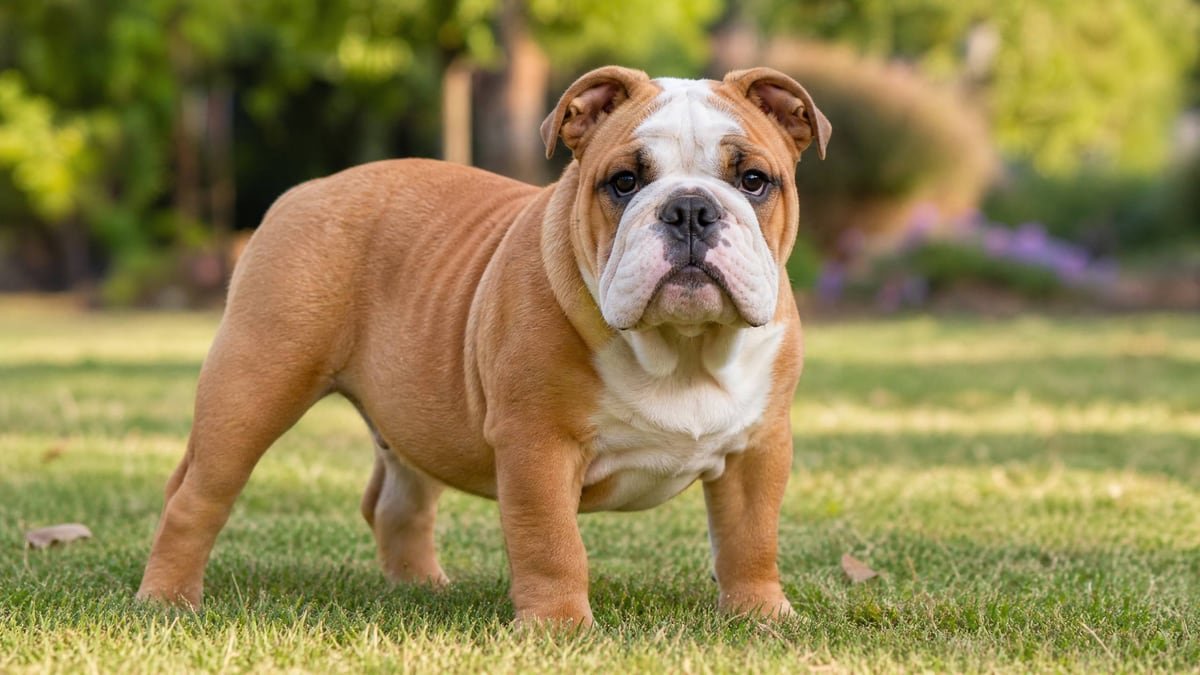
Bulldog puppy for the Bulldog weight chart and growth guide

Life Span

Adult range

18-23 kg

39.7-50.7 lb

Size class

Medium breed

Matched size chart

Growth pace

Moderate

Typical for this breed size

Check-in cadence

Weekly to monthly

Suggested rhythm

<16 w weekly | 16-32 w biweekly | 32 w+ monthly

Bulldog Weight Chart by Age

Bulldogs are short, wide, and muscular, so they can weigh more than their height suggests. Many adults fall around 40-50 lb.

The breed's shape can make visual weight checks unreliable. Feel ribs, find the waist, and keep breathing comfort in the center of every feeding decision.

AgeMale WeightFemale Weight
2 months8-12 lb (3.6-5.4 kg)7-11 lb (3.2-5 kg)
3 months12-18 lb (5.4-8.2 kg)11-16 lb (5-7.3 kg)
4 months18-25 lb (8.2-11.3 kg)15-22 lb (6.8-10 kg)
5 months25-32 lb (11.3-14.5 kg)22-28 lb (10-12.7 kg)
6 months30-38 lb (13.6-17.2 kg)26-34 lb (11.8-15.4 kg)
8 months38-45 lb (17.2-20.4 kg)32-40 lb (14.5-18.1 kg)
10 months42-50 lb (19.1-22.7 kg)35-45 lb (15.9-20.4 kg)
12 months45-55 lb (20.4-24.9 kg)40-50 lb (18.1-22.7 kg)
18 months45-55 lb (20.4-24.9 kg)40-50 lb (18.1-22.7 kg)

When Does a Bulldog Stop Growing?

Bulldogs usually finish most height early, then continue settling into adult substance, muscle, and condition.

5-8 months

Fast puppy bulk

The compact body becomes obvious, but extra calories can quickly look like normal Bulldog substance.

8-12 months

Adult outline appears

Weight gain should slow. Watch breathing comfort, waist, and exercise tolerance closely.

12-18 months

Final filling out

Muscle and chest continue maturing, but the dog should not become round through the ribs and belly.

Adult years

Maintenance is health care

Adult Bulldog weight affects heat tolerance, skin folds, joint comfort, and breathing.

Bulldog weight should support comfort.

A few extra pounds can make breathing, heat, skin, and movement problems harder.

Signs Your Bulldog Is Growing Well

A healthy Bulldog trend balances sturdy growth with easy breathing, cool activity, clean skin folds, and controlled calories.

Positive signs

  • Ribs can be felt beneath the broad chest without hard pressure.
  • Waist is findable behind the ribcage, even if subtle.
  • Short cool walks end with normal recovery.
  • Skin folds, face wrinkles, and tail pocket stay clean and dry.
  • Stools remain steady after food changes.
  • Weight rises gradually instead of jumping after low-activity weeks.

Worth monitoring

  • Panting, noisy breathing, or heat intolerance worsens.
  • Ribs become hard to feel and waist disappears.
  • Dog resists short walks, stairs, or play.
  • Skin folds smell, redden, or stay damp.
  • Limping, stiffness, or reluctance to rise appears.

Do not exercise a Bulldog through heat.

Portion control and cool short movement are safer than trying to burn off calories with hard activity.

What Affects a Bulldog's Weight?

Bulldog weight is shaped by compact build, short muzzle, skin health, activity tolerance, and household treat habits.

Structure

Short and broad frame

Bulldogs are naturally substantial, but the ribs and waist should still be assessable.

Airway

Brachycephalic comfort

Extra weight can make breathing and heat tolerance harder for short-muzzled dogs.

Skin

Wrinkles and tail pocket

Skin irritation can reduce movement and make daily care harder.

Activity

Cool short exercise

Exercise must fit weather and breathing comfort, so food intake carries more weight-control responsibility.

Food

Treats and leftovers

A calm companion routine can quietly add snacks unless every reward is counted.

Why this breed needs context

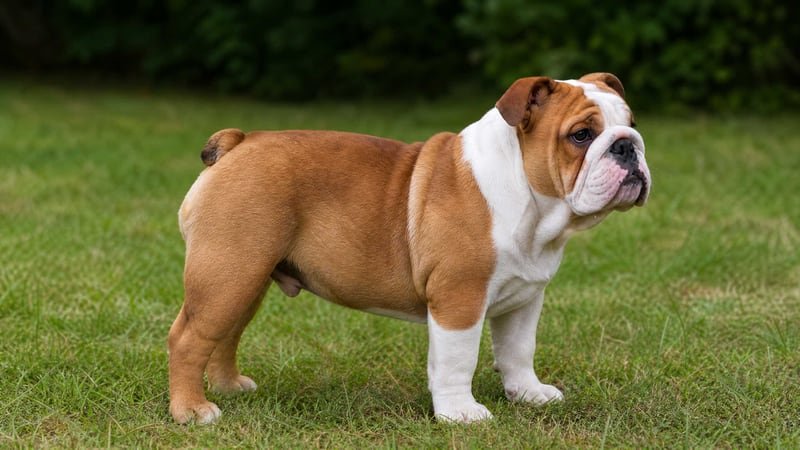
Bulldog puppy body condition snapshot for growth tracking
Balanced medium pace<16 w weekly | 16-32 w biweekly | 32 w+ monthly

Calm • Affectionate • Sturdy

Bulldog dogs are usually calm and affectionate, and steady routines make their growth trend easier to read over time.

Medium energy, Medium grooming

Use gentle consistency, measured treats, and short sessions that match their moderate stamina.

Best read through repeat check-ins

Stocky build can hide extra fat until breathing and movement become harder

Updated weeklyPlanning estimates onlyView sourcesEditorial policy

Keep the next step obvious

Run a live estimate

Open the homepage calculator with Bulldog selected and compare the live result with this guide.

Open calculator

Open the matching size chart

Use the Medium size chart to compare the broader checkpoint range behind this breed guide.

Open size chart

Read healthy weight basics

Review the core framework for trend tracking, body condition, and using ranges responsibly.

Open guide

Bulldog Growth and Weight Chart

Bulldog male and female growth chart

Use this Bulldog-specific line as a compact medium-breed reference.

Breed-specific monthly chart

Chart span

1-12 months

Breed-specific monthly view

Male at 12 months

22.7 kg

50 lb

Female at 12 months

20 kg

44.1 lb

Re-check cadence

2-3 weeks

Trend beats one weigh-in

Monthly reference 1-12 months
Bulldog male and female growth chart Breed-specific growth chart for Bulldog from 1 through 12 months in kg.0510152025123456789101112 Male Female Age (months) Weight (kg)
Male line Female line

This breed-specific chart tracks the average monthly line for male and female Bulldog puppies from 1-12 months. Read the curve with breathing comfort and waist checks.

Want a live estimate from your dog's current age and weight?

Open the homepage calculator with Bulldog selected, add the latest weigh-in, then compare the result back against this guide.

How to read this graph for Bulldog

  • Use the male line for male puppies and the female line for female puppies, because Bulldog dogs often grow at different rates through the first year.
  • Month-to-month progress matters more than one high or low weigh-in, especially during the faster early-growth months.
  • Use the live calculator after repeat weigh-ins, then compare the result back to this breed-specific chart to confirm the trend is still moving steadily.

<16 w weekly | 16-32 w biweekly | 32 w+ monthly

Re-check a Bulldog every 2 to 4 weeks during growth, and sooner after heat-related inactivity or diet changes.

Run the live estimate with this breed selected

Most useful after a fresh weigh-in, then compare the result back against this breed graph and the matching size chart.

Bulldog Growth Stages Explained

Bulldog growth is compact and comfort-focused. Feeding, heat management, and skin care become habits early.

Early breeder care

Puppies depend on careful early feeding, warmth, and veterinary oversight before coming home.

Home routine

Start measured meals, face handling, fold checks, and short safe activity.

Compact growth

The body gains substance quickly. Keep rewards small and watch heat comfort.

Adult outline

Growth slows and condition matters more. Avoid letting the Bulldog become round.

Final maturity

Chest and muscle settle while food should be adjusted to real activity.

Comfort maintenance

Adult care centers on measured meals, cool walks, skin-fold care, dental care, and weight checks.

Feeding Rules Every Bulldog Owner Should Know

Rule 1

Measure every portion

Bulldogs can gain quickly, so meals and treats should be planned rather than casual.

Rule 2

Keep the waist findable

A Bulldog can be broad without being padded. Rib and waist checks should guide portions.

Rule 3

Do activity in cool windows

Avoid heat and hard exertion. Exercise should not be used as a punishment for overfeeding.

Rule 4

Use life-stage food

Feed puppy food during growth and transition to adult food when your veterinarian recommends it.

Rule 5

Change diets slowly

Watch stool, skin folds, ears, and appetite during food transitions.

Rule 6

Keep water and shade available

Hydration, shade, and air conditioning matter for this short-muzzled breed.

How Much Should I Feed My Bulldog?

Bulldog feeding depends on age, body condition, food calories, treat use, and how much safe activity the dog can tolerate.

Measured portions - cool activity - breathing comfort

Several puppy meals, two adult meals

Young puppies usually need multiple meals. Adults often do well with two measured meals.

Small rewards only

Use tiny rewards and praise because large treats quickly exceed a Bulldog's calorie margin.

Feed to breathe and move well

If extra weight affects heat comfort or walking, reduce extras first and talk with your vet.

Temperament & daily fit

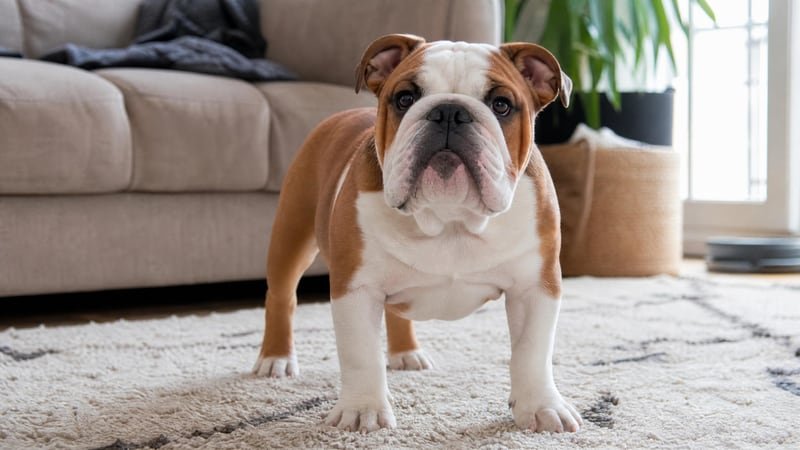
Bulldog puppy daily life photo for healthy weight guidance
CalmAffectionateSturdy

Homes that match this breed

  • Homes wanting a calmer companion with short daily activity
  • Owners who can manage heat, breathing comfort, and measured food
  • Families prepared for skin-fold cleaning and vet-led weight care

What can change the trend

  • Stocky build can hide extra fat until breathing and movement become harder
  • Heat and humidity can make exercise unsafe quickly
  • Skin folds, tail pocket, and dental comfort can affect daily condition

Care routine

Feeding

Measure meals closely and limit treats because compact Bulldogs gain condition quickly.

Exercise

Use short cool walks and indoor play; avoid heat, humidity, and hard exertion.

Grooming

Clean and dry wrinkles, face folds, and tail pocket areas as part of routine care.

Training

Keep sessions short, positive, and cool, using tiny rewards and plenty of patience.

Warning Signs: Is Your Bulldog Overweight or Underweight?

Bulldogs should feel sturdy, not padded. Breathing and heat comfort are part of the weight check.

Signs of extra weight

  • Ribs are hard to feel through the broad chest
  • Waist disappears and belly looks round
  • Panting, snoring, or exercise intolerance worsens
  • Dog avoids short walks or stairs
  • Skin folds stay damp or irritated
  • Treats or table scraps have become routine

Signs of too little weight

  • Ribs, spine, or hip points look sharp
  • Muscle over shoulders or thighs looks thin
  • Energy drops below normal companion activity
  • Coat or skin quality declines
  • Appetite changes or digestive upset repeats
  • Growth stalls before adult substance develops

Compare similar guides

Run the estimate with Bulldog selected

Use live age and weight inputs, then compare the result with this breed guide and its matching size chart.

Frequently asked questions

Many Bulldogs fall around 40-50 lb (18-23 kg), with males often heavier than females. Body condition and breathing comfort matter more than a single number.

Many 6-month Bulldogs are around 26-38 lb (11.8-17.2 kg), depending on sex and frame.

Many Bulldogs reach most height by 10-12 months and continue settling into adult substance through about 12-18 months.

Extra weight can worsen breathing comfort, heat tolerance, joint stress, and skin-fold problems.

Use short cool walks and indoor play. Avoid heat, humidity, and hard exertion.

Track ribs, waist, breathing, heat tolerance, skin folds, tail pocket, stool, treats, and walking comfort.

Call your vet for breathing changes, overheating, lameness, rapid gain, stalled growth, appetite changes, or skin-fold infection signs.

Estimates only. Not veterinary advice.