Medium breed

Beagle Weight Chart & Growth Guide

Updated weekly

Beagles grow into compact scent hounds, and their happiest adult weight usually comes from measured food, daily sniff work, and early ear-care habits. This guide reads the chart through appetite, two-size Beagle variation, body condition, and the way a strong nose can turn every walk into a food search.

A Beagle can be active and still gain weight, so the scale, ribs, waist, and food access all have to tell the same story.

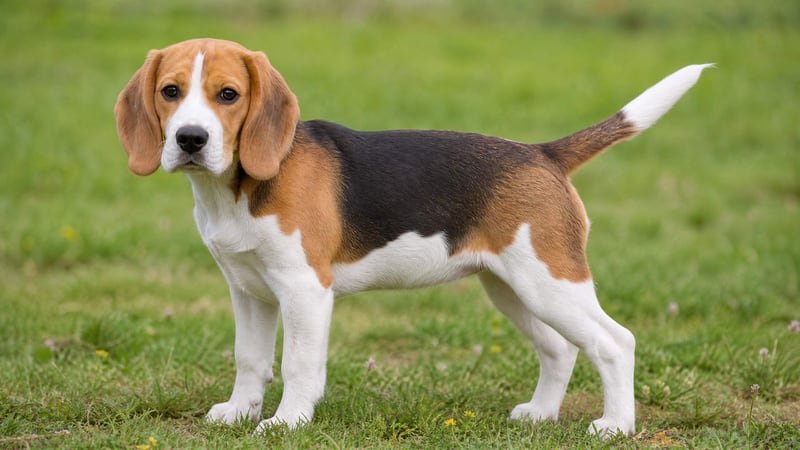
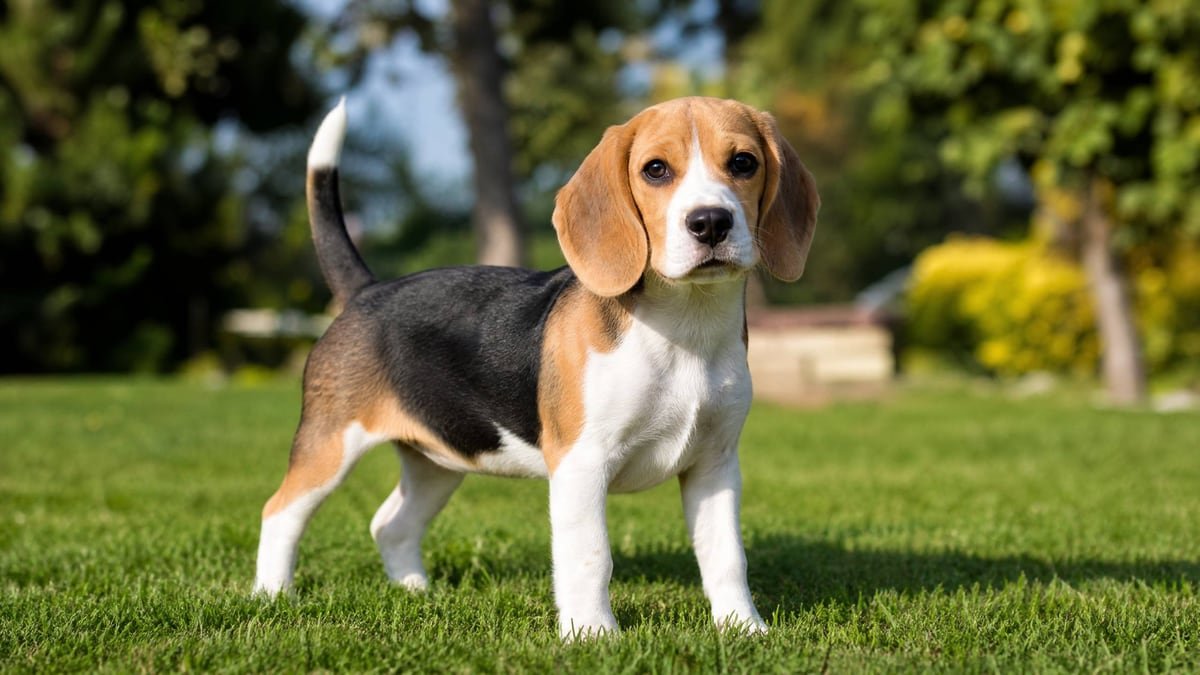
Beagle puppy for the Beagle weight chart and growth guide

Life Span

Adult range

9-14 kg

19.8-30.9 lb

Size class

Medium breed

Matched size chart

Growth pace

Moderate

Typical for this breed size

Check-in cadence

Weekly to monthly

Suggested rhythm

<16 w weekly | 16-32 w biweekly | 32 w+ monthly

Beagle Weight Chart by Age

Beagles come in two height varieties, so a smaller Beagle and a taller Beagle can both be healthy at different adult weights. Many adults fall around 20-30 lb, and the healthiest goal is usually a sturdy waist, not the top number.

Because Beagles are scent-driven and often intensely food-motivated, this chart works best when you log meals, treats, stolen food, stool, and daily exercise with each weigh-in.

AgeTypical Male WeightTypical Female Weight
2 months5-8 lb (2.3-3.6 kg)4-7 lb (1.8-3.2 kg)
3 months8-12 lb (3.6-5.4 kg)7-11 lb (3.2-5 kg)
4 months11-16 lb (5-7.3 kg)10-15 lb (4.5-6.8 kg)
5 months14-20 lb (6.4-9.1 kg)13-18 lb (5.9-8.2 kg)
6 months16-23 lb (7.3-10.4 kg)15-21 lb (6.8-9.5 kg)
8 months19-27 lb (8.6-12.2 kg)17-25 lb (7.7-11.3 kg)
10 months21-30 lb (9.5-13.6 kg)19-27 lb (8.6-12.2 kg)
12 months22-30 lb (10-13.6 kg)20-28 lb (9.1-12.7 kg)
18 months20-30 lb (9.1-13.6 kg)20-30 lb (9.1-13.6 kg)

When Does a Beagle Stop Growing?

Most Beagles reach close to adult height by the first year, then settle into adult muscle, appetite control, and hound condition over the next several months.

2-5 months

Fast puppy frame

Legs, ribs, and appetite grow quickly. Measured meals matter because the nose starts finding extras early.

5-9 months

Sturdy hound stage

The body becomes more recognizable as a Beagle, and excess snacks may start to show around the waist.

9-12 months

Adult outline

Height is often close to mature, but muscle, chest, and daily condition are still changing.

12-18 months

Condition sets in

Meal habits, scent work, leash exercise, and food security shape the adult trend.

Do not let appetite choose the chart.

A healthy Beagle should feel solid and athletic, with ribs easy to find and food intake controlled by people.

Signs Your Beagle Is Growing Well

A healthy Beagle puppy looks sturdy, curious, and energetic without losing waist shape under the hound build.

Positive signs

  • Ribs are easy to feel under a light cover.
  • Waist still narrows behind the ribs when viewed from above.
  • Energy matches the day, with normal play and comfortable recovery.
  • Ears stay comfortable without odor, debris, or repeated scratching.
  • Stool stays steady after food changes settle.

Worth monitoring

  • Food stealing, trash raids, or pica become part of the routine.
  • Weight jumps after treat-heavy training or lower-activity weeks.
  • Ribs become harder to find while the belly rounds.
  • Ear odor, head shaking, or skin itching appears repeatedly.
  • Appetite stays high while weight falls or stool changes.

Food access is part of the growth plan.

For Beagles, the chart is only accurate when stolen snacks, training treats, and scavenging are counted honestly.

What Affects a Beagle's Weight?

Beagle weight is shaped by size variety, appetite, scent-driven behavior, activity, ear comfort, and how tightly the home controls food access.

Size

Two height varieties

A smaller Beagle should not be pushed toward the same number as a taller 15-inch Beagle.

Appetite

Strong food motivation

Many Beagles will overeat if given the chance, so portions need to be planned.

Scent

Nose-first lifestyle

Following scent trails burns energy, but it can also lead to food finds and unsafe swallowing.

Ears

Ear comfort affects activity

Ear irritation can reduce play and make weight creep easier to miss.

Treats

Training calories add up

Use small rewards and subtract them from the day's food.

Health

Skin, thyroid, and digestion

Persistent scratching, weight gain without more food, or stool changes deserve a vet check.

Why this breed needs context

Beagle puppy body condition snapshot for growth tracking
Balanced medium pace<16 w weekly | 16-32 w biweekly | 32 w+ monthly

Curious • Friendly • Food-motivated

Beagle dogs are usually curious and friendly, and steady routines make their growth trend easier to read over time.

High energy, Low grooming

Short, reward-based sessions work best, especially with scent-driven focus.

Best read through repeat check-ins

Beagles can gain weight even when they seem active

Updated weeklyPlanning estimates onlyView sourcesEditorial policy

Keep the next step obvious

Run a live estimate

Open the homepage calculator with Beagle selected and compare the live result with this guide.

Open calculator

Open the matching size chart

Use the Medium size chart to compare the broader checkpoint range behind this breed guide.

Open size chart

Read healthy weight basics

Review the core framework for trend tracking, body condition, and using ranges responsibly.

Open guide

Beagle Growth and Weight Chart

Beagle growth chart

Use this medium hound reference to compare Beagle growth from 1 to 12 months, while remembering that the two height varieties create normal spread.

Breed-specific monthly chart

Chart span

1-12 months

Breed-specific monthly view

Male at 12 months

-- kg

-- lb

Female at 12 months

-- kg

-- lb

Re-check cadence

2-3 weeks

Trend beats one weigh-in

Monthly reference 1-12 months
Beagle growth chart Breed-specific growth chart for Beagle from 1 through 12 months in kg.0246810121416123456789101112 Taller / upper-frame Beagle Smaller / lower-frame Beagle Age (months) Weight (kg)
Male line Female line

This breed-specific chart tracks the average monthly line for male and female Beagle puppies from 1-12 months. Steady progress matters more than one weigh-in.

Want a live estimate from your dog's current age and weight?

Open the homepage calculator with Beagle selected, add the latest weigh-in, then compare the result back against this guide.

How to read this graph for Beagle

  • Use the male line for male puppies and the female line for female puppies, because Beagle dogs often grow at different rates through the first year.
  • Month-to-month progress matters more than one high or low weigh-in, especially during the faster early-growth months.
  • Use the live calculator after repeat weigh-ins, then compare the result back to this breed-specific chart to confirm the trend is still moving steadily.

<16 w weekly | 16-32 w biweekly | 32 w+ monthly

Re-check a Beagle every 2 to 3 weeks during growth, and sooner after a change in food access, treat use, exercise, or ear/skin comfort.

Run the live estimate with this breed selected

Most useful after a fresh weigh-in, then compare the result back against this breed graph and the matching size chart.

Beagle Growth Stages Explained

Beagle growth is a mix of medium-hound frame, huge scent interest, appetite management, and steady social development.

Breeder foundation

Early records, weaning, handling, and litter health give context before the puppy comes home.

Food and routine setup

Start measured meals, safe confinement, ear handling, leash basics, and name response.

Nose-first growth

Scent drive rises quickly. Use sniff walks, recall games, and small rewards rather than open food access.

Adolescent hound

The puppy may look adult but still needs controlled portions, training, and supervision around food.

Adult condition

Muscle and routine settle. Watch for weight creep if exercise drops.

Maintenance hound

Adult care centers on meal control, ear checks, skin comfort, scent work, and waist monitoring.

Feeding Rules Every Beagle Owner Should Know

Rule 1

Measure every meal

Guessing portions rarely works well with a food-driven Beagle.

Rule 2

Skip free-feeding

Scheduled meals make appetite, stool, and weight easier to track.

Rule 3

Use life-stage food

Puppy food supports growth until maturity and your vet's advice line up.

Rule 4

Budget training treats

Tiny rewards keep training moving without adding a second meal.

Rule 5

Keep water available

Water matters during warm sniff walks, play, and diet transitions.

Rule 6

Change diets gradually

Slow transitions help you spot stool changes, itching, appetite shifts, or weight jumps.

How Much Should I Feed My Beagle?

Beagle portions depend on age, adult size variety, food calories, activity, body condition, treats, and whether the dog is finding extra food outside the bowl.

Measured meals - tiny rewards - secure food storage

Build predictable meals early

Regular meal times help you compare appetite, stool, and weight during fast growth.

Training food counts

Use part of the daily ration for training when scent work or recall practice needs many repetitions.

Prevent food raids

Secure trash, counters, bags, and children's snacks because stolen food can undo careful portions.

Temperament & daily fit

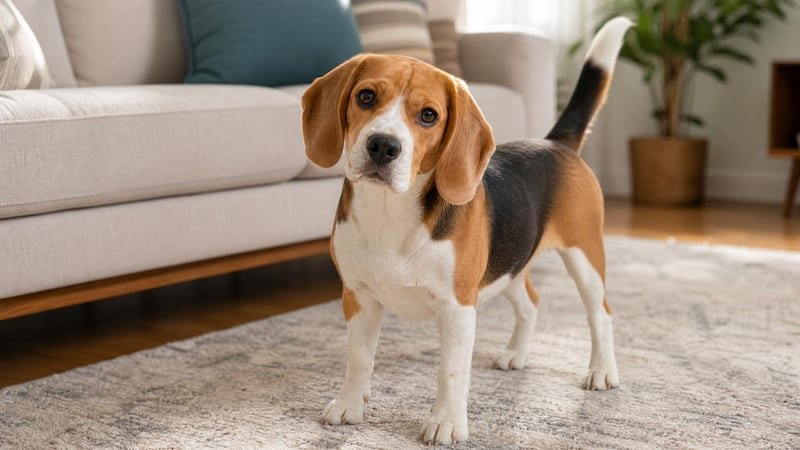
Beagle puppy daily life photo for healthy weight guidance
CuriousFriendlyFood-motivated

Homes that match this breed

  • Families who can offer daily walks, scent games, and company
  • Owners willing to measure every meal and keep food out of reach
  • Homes that can pair training rewards with regular ear and skin checks

What can change the trend

  • Beagles can gain weight even when they seem active
  • Floppy ears need regular checks after rain, baths, or humid walks
  • Food stealing, pica, and treat-heavy training can distort the growth chart

Care routine

Feeding

Use measured meals, avoid free-feeding, and count every training treat because Beagles are famously food-motivated.

Exercise

Give daily leash walks, sniffing routes, and scent games while avoiding unsupervised roaming after smells.

Grooming

Brush the short coat weekly, check skin, and keep ear cleaning on the routine your vet recommends.

Training

Use short reward sessions, secure food storage, and recall practice built around the Beagle's nose.

Warning Signs: Is Your Beagle Overweight or Underweight?

A Beagle should be sturdy, but sturdy is not the same as padded. Use hands-on checks often.

Signs of extra weight

  • Ribs are hard to feel
  • Waist disappears behind the ribs
  • Belly line looks rounded from the side
  • The dog tires sooner on normal walks
  • Weight rises after treat-heavy training
  • Snoring, heat tolerance, or movement comfort worsens

Signs of too little weight

  • Ribs, spine, or hips look sharp
  • Muscle over shoulders or thighs looks thin
  • Energy drops during normal play
  • Appetite is high but weight falls
  • Stool is loose or inconsistent
  • A recent illness or stress change matches the weight drop

Compare similar guides

Run the estimate with Beagle selected

Use live age and weight inputs, then compare the result with this breed guide and its matching size chart.

Frequently asked questions

Many Beagles fall around 20-30 lb (9-14 kg), but the right number depends on height variety, muscle, and body condition.

Many 6-month Beagles are around 15-23 lb (6.8-10.4 kg), with smaller and taller lines creating normal variation.

Many reach most height by about 12 months, then finish adult muscle and condition through 18 months.

Beagles can gain from treat calories, stolen food, free-feeding, lower intensity walks, or health issues, so log the whole routine.

Free-feeding is usually a poor fit for Beagles. Scheduled measured meals make growth and appetite safer to track.

Track food access, treats, ribs, waist, stool, ear comfort, scratching, sniff-walk activity, and any scavenging.

Call your vet for fast gain, weight loss, repeated ear problems, limping, seizures, vomiting, diarrhea, or if your Beagle eats something unsafe.

Estimates only. Not veterinary advice.