Small breed

Dachshund Weight Guide

Updated weekly

Dachshunds may sit in a small-breed range, but keeping them lean matters more than reaching the top of the range because of their long back.

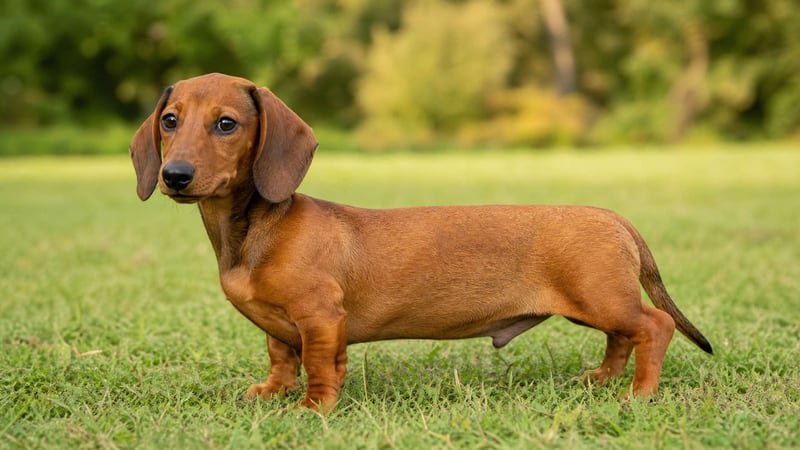
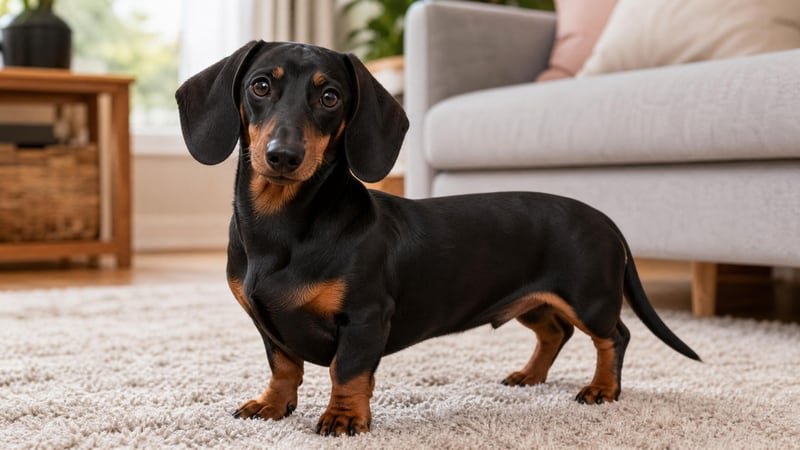
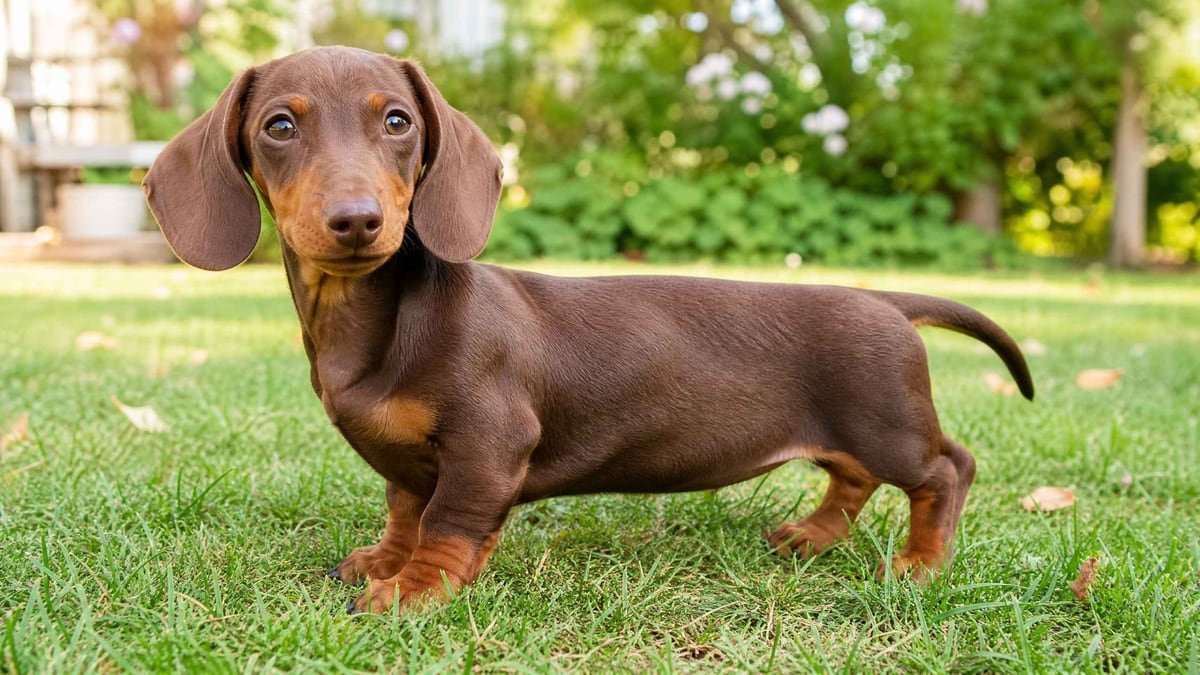
Dachshund puppy for the Dachshund weight guide

Life Span

Adult range

7-15 kg

15.4-33.1 lb

Size class

Small breed

Matched size chart

Growth pace

Faster

Typical for this breed size

Check-in cadence

Weekly to monthly

Suggested rhythm

<16 w weekly | 16-32 w biweekly | 32 w+ monthly

Why this breed needs context

Dachshund puppy for the Dachshund weight guide
Faster early settling<16 w weekly | 16-32 w biweekly | 32 w+ monthly

Brave • Alert • Independent

Dachshund dogs are usually brave and alert, and their compact frame makes measured meals and repeat check-ins especially useful.

Medium energy, Low grooming

Keep a consistent routine and avoid overfeeding while activity fluctuates.

Best read through repeat check-ins

Extra gain can strain the long frame

Updated weeklyPlanning estimates onlyView sourcesEditorial policy

Keep the next step obvious

Run a live estimate

Open the homepage calculator with Dachshund selected and compare the live result with this guide.

Open calculator

Open the matching size chart

Use the Small size chart to compare the broader checkpoint range behind this breed guide.

Open size chart

Read healthy weight basics

Review the core framework for trend tracking, body condition, and using ranges responsibly.

Open guide

Growth & weight context

Dachshund growth reference

This reference line is built from the Small checkpoint range so you can compare the usual growth path before running a live estimate.

Faster early settling

Adult range

7-15 kg

15.4-33.1 lb

Size class

Small

Matched size chart

Growth pace

Faster

Typical for this size

Re-check cadence

1-2 weeks early

Trend beats one weigh-in

Adult range 7-15 kg
Dachshund growth graph reference Reference growth graph for Dachshund from 8 to 52 weeks in kg.02468101214161881216202452 Rapid phase Settling Adult checkpoint Age (weeks) Weight (kg)
Size-class range Dachshund reference line

The shaded band shows the full Small checkpoint spread. The blue line places Dachshund near the middle of that band because its adult range typically settles around 7-15 kg. Use the homepage calculator when you want a live estimate from your own dog's current age and weight.

Want a live estimate from your dog's current age and weight?

Open the homepage calculator with Dachshund selected, add the latest weigh-in, then compare the result back against this guide.

How Dachshund compares

Compare nearby breeds to see how frame, growth pace, and adult range differ.

French Bulldog puppy for the French Bulldog weight guide

French Bulldog

Very similar adult frame and band

SmallAdult range: 8-14 kg
Miniature Poodle puppy for the Miniature Poodle weight guide

Miniature Poodle

Leaner adult frame in the same class

SmallAdult range: 5-9 kg

How to read this graph for Dachshund

  • The small-breed band shows the full checkpoint range, but Dachshunds are usually easiest to read when you think in terms of staying lean rather than filling the top of the band.
  • A long frame means extra gain matters sooner, so trend checks should focus on steady condition instead of maximum size.
  • Use the calculator after fresh weigh-ins and compare it back to this graph whenever portions, treats, or activity levels shift.

<16 w weekly | 16-32 w biweekly | 32 w+ monthly

Smaller breeds usually settle earlier, so tighter early check-ins help more than long gaps.

Run the live estimate with this breed selected

Most useful after a fresh weigh-in, then compare the result back against this breed graph and the matching size chart.

Temperament & daily fit

Dachshund puppy for the Dachshund weight guide
BraveAlertIndependent

Homes that match this breed

  • Owners who can keep a lean routine
  • Homes wanting a smaller alert dog
  • People willing to stay strict on portions

What can change the trend

  • Extra gain can strain the long frame
  • Treats can outpace activity quickly
  • Routine consistency matters for mobility support

Care routine

Feeding

Portion control is especially important because extra weight adds strain to the body.

Exercise

Use regular walks and controlled play instead of long inactive stretches.

Grooming

Coat needs vary by coat type, but routine body checks should stay consistent.

Training

Keep sessions short, clear, and repeatable because independence can show up early.

Frequently asked questions

Dachshund dogs usually land somewhere around 7-15 kg (15.4-33.1 lb), but frame and routine still create normal variation.

Re-check a Dachshund every 2 weeks during the early stages, then monthly once the trend is clearly settling.

For Dachshunds, staying lean matters most. Tight portions, treat discipline, and repeat check-ins usually matter more than reaching the upper end of the range.

Puppy growth is not linear. A range leaves room for normal variation in frame, activity, and routine.

Use the calculator when you know age and current weight, then compare that result with the matching size chart for added context.

Keep monitoring trend direction. Activity changes, meals, and treats can temporarily move the estimate without meaning the long-term path is wrong.

Talk to your vet if your Dachshund starts softening through the waist, seems less willing to move normally, or keeps gaining despite a controlled routine.

Compare similar guides

Run the estimate with Dachshund selected

Use live age and weight inputs, then compare the result with this breed guide and its matching size chart.

Estimates only. Not veterinary advice.