Adult standard
What does the 6 lb limit mean?
The AKC standard sets a show-standard limit of 6 lb (about 2.7 kg). It is not a diagnosis or a healthy-weight target for every pet Chihuahua.

Calculators
Browse
Learn
Company & trust
Estimates only. Not veterinary advice.
Learn what the official Chihuahua adult weight standard means, how it differs from an individual pet's healthy weight, and how to track puppy growth. Use repeated weigh-ins, body condition and veterinary guidance instead of trying to reach a fixed monthly number.
For Chihuahuas, weight tracking is a precision job: ounces, grams, and repeated checks can matter.
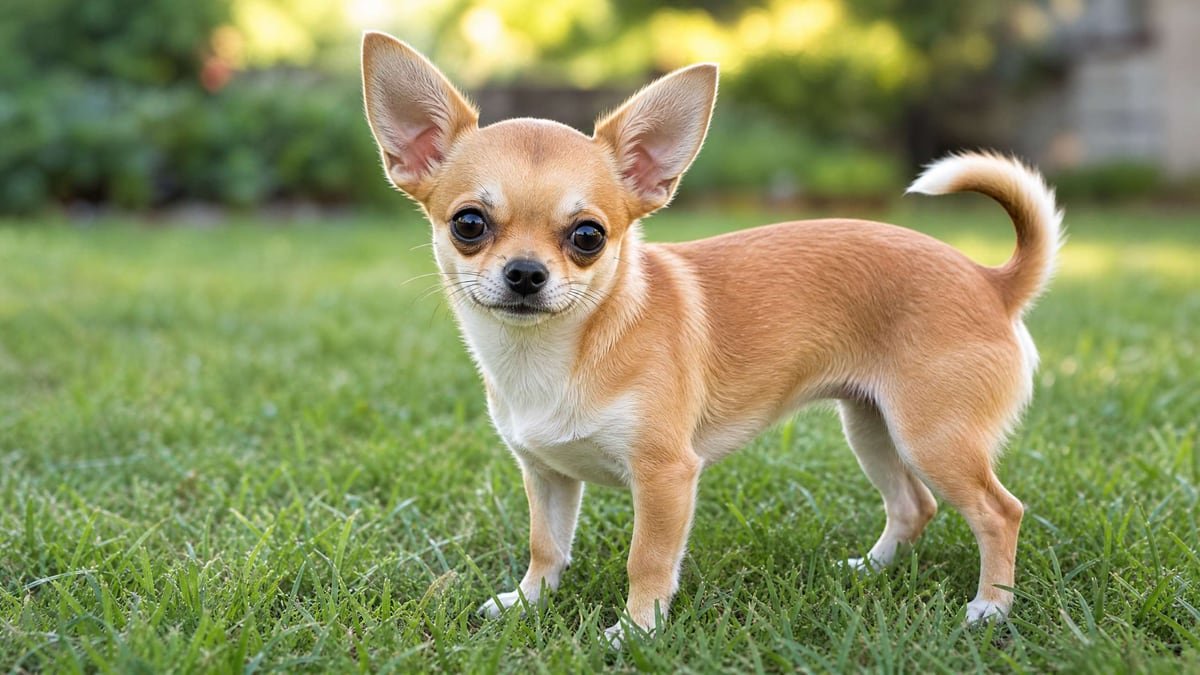
Overview
Breed standard
Up to about 2.7 kg (show standard)
Not over 6 lb (show standard)
Size class
Toy breed
Matched size chart
Growth pace
Faster
Typical for this breed size
Check-in cadence
Weekly to monthly
Suggested rhythm
<16 w weekly | 16-32 w biweekly | 32 w+ monthly
Quick answers
Separate the official show standard from the care and growth needs of your individual dog.
Adult standard
The AKC standard sets a show-standard limit of 6 lb (about 2.7 kg). It is not a diagnosis or a healthy-weight target for every pet Chihuahua.
Puppy growth
Record repeat weigh-ins and use a growth chart matched to sex and expected adult size with your veterinarian. Appetite, energy and body condition help explain the numbers.
Full grown
Individual Chihuahuas mature at different rates. Growth slowing, body condition and veterinary assessment are more useful than a fixed birthday when reviewing food and adult care.
Teacup note
No. The Chihuahua Club of America recognizes coat varieties, not additional official size varieties. Small size alone is not a measure of health or value.
Adult weight reference
The official AKC Chihuahua standard sets the show-standard weight limit below. It does not provide a minimum adult weight or a month-by-month puppy weight schedule. A show standard is not an individual pet's healthy-weight target.
Track your puppy with repeat measurements and veterinary guidance. WALTHAM provides research-based growth charts selected by sex and expected adult size; its growth curves are validated from 12 weeks of age.
| Reference | Adult weight |
|---|---|
| AKC show-standard weight limit | Not over 6 lb (about 2.7 kg) |
Source: Official AKC Chihuahua standard
Maturity
Individual Chihuahuas mature at different rates. Growth slowing, body condition and veterinary assessment are more useful than a fixed birthday when reviewing food and adult care.
Keep feeding and weighing routines consistent, and pay attention to appetite and energy as well as growth.
Review changes over time with your veterinarian instead of treating one reading as a pass or fail.
Ask your veterinarian when diet and meal frequency should change for your individual dog.
Once growth slows, regular body-condition checks still matter. Treats and changes in activity can affect adult weight.
Key takeaway
A Chihuahua's meal size, treat count, warmth, dental comfort, and activity all affect the number on the scale. Read repeat weigh-ins alongside body condition and veterinary guidance.
Growth check
A healthy Chihuahua trend is steady, bright, warm, active, and supported by frequent meals during puppyhood.
Small-dog safety
A young Chihuahua that is not eating, is weak, or seems unusually sleepy needs prompt veterinary guidance.
Weight factors
Chihuahua weight is shaped by frame, meal frequency, dental comfort, warmth, activity, and tiny treat totals. A heavier pet Chihuahua is not automatically unhealthy, and a very tiny Chihuahua is not automatically healthier.
A few ounces can be a meaningful percentage change for a Chihuahua, so use the same scale and routine.
The official standard gives useful breed context, but a pet dog's health still depends on frame, muscle, ribs, waist, appetite, and vet guidance.
Young Chihuahuas often need frequent meals because small size leaves less reserve when appetite drops or meals are missed.
Dental discomfort can reduce appetite, change chewing, and affect weight tracking.
Cold or stressful days can change movement, appetite, and energy in a tiny dog.
Luxating patella signs or coughing can reduce activity and need veterinary review.
Breed snapshot

Temperament profile
Chihuahua dogs are usually alert and lively, and their very small frame means even minor routine changes can move the scale.
Daily rhythm
Use tiny rewards and short sessions with frequent, gentle social exposure.
Weight-tracking note
A few extra calories can matter on a toy frame
Use this page with
Calculator
Open the homepage calculator with Chihuahua selected and compare the live result with this guide.
Open calculatorSize chart
Explore the site's general size estimates. These are planning tools, not the official breed standard or a veterinary growth assessment.
Open size chartGuide
Review the core framework for trend tracking, body condition, and using ranges responsibly.
Open guideAge calculator
Use Chihuahua's usual adult-size band to compare dog age with human years.
Calculate ageRelated guides
Age guide
Read general growth context and the limits of age-based weight estimates.
Open age guideCondition
Use rib, waist, and tuck checks to decide whether Chihuahua's number looks healthy in real life.
Open condition guideMaturity
Compare Toy growth timing with the point when height, muscle, and fill-out usually slow.
Open timing guideHealthy range
Use trend tracking and routine notes to keep Chihuahua's estimate grounded.
Open basicsGrowth tracking
Stages
Chihuahua growth happens on a tiny scale. Food timing, warmth, dental care, and gentle handling matter at every stage.
Early puppyhood
Young puppies depend on careful feeding, warmth and monitoring. Seek veterinary help if appetite or strength changes.
Settling into home
Use scheduled meals, calm handling and consistent records of weight, appetite and energy.
Active growth
Follow a suitable growth chart with veterinary guidance and supervise interactions with children and larger dogs.
Approaching maturity
Discuss diet and meal frequency as development changes. Keep checking body condition instead of relying on a calendar deadline.
Adult maintenance
Maintain measured food, dental attention, suitable activity and routine veterinary care.
Feeding rules
Young Chihuahuas need frequent feeding suited to their size and health. Ask your veterinarian for an appropriate meal schedule, especially if the puppy is very small.
Use a precise scoop or kitchen scale because a little extra is not little to a Chihuahua. Count training rewards and table scraps too.
Small kibble can be easier to chew and portion for tiny mouths.
A small dog can show appetite or stool changes quickly, so transition gradually.
Hydration and body temperature both matter for comfort in a very small dog.
A harness avoids neck pressure and is especially useful if coughing or trachea concerns appear.
Feeding
Chihuahua portions depend on adult target, age, food calories, body condition, and appetite. The margin for extras is very small.
Puppy rhythm
Young Chihuahuas often need frequent meals. Ask your vet before reducing meal frequency if the puppy is very small.
Treat rule
Use tiny pieces or meal kibble for training because full-size treats can exceed the daily budget quickly.
Dental note
Dental crowding can affect eating, so regular tooth brushing and vet dental guidance support weight stability.
Daily life

Good fit for
Things to watch
Care
Use tiny measured meals, frequent puppy feeding, and strict treat counting.
Short walks and indoor play support fitness without overwhelming a tiny body.
Coat care is simple, but dental care, nail care, warmth, and eye checks matter.
Use tiny rewards, patient repetition, and early socialization so confidence grows with manners.
Warning signs
Chihuahua changes can be subtle in appearance but meaningful by percentage of body weight. Use hands-on body condition checks instead of judging from coat, photos, or a single weigh-in.
Similar breeds


Next step
Use age and current weight for a planning estimate. Track repeat measurements and discuss your dog's individual growth with your vet.
FAQ
The adult show-standard limit comes from the official AKC standard. The linked growth-chart resource explains its own research basis and age limits; the other references support body-condition, nutrition and breed-variety guidance.
Estimates only. Not veterinary advice.