Adult weight
Read the adult reference in kg and lb
The AKC breed profile gives adult males at 140-175 lb (63.5-79.4 kg) and females at 110-140 lb (49.9-63.5 kg). These are profile references, not a requirement to reach the top of the range.

Calculators
Browse
Learn
Company & trust
Estimates only. Not veterinary advice.
AKC lists adult Great Danes at 140-175 lb (63.5-79.4 kg) for males and 110-140 lb (49.9-63.5 kg) for females. Puppies need their own growth record; adult ranges are not monthly targets.
Use the calculator for an estimate, then check the growth trend and body condition with your veterinarian.
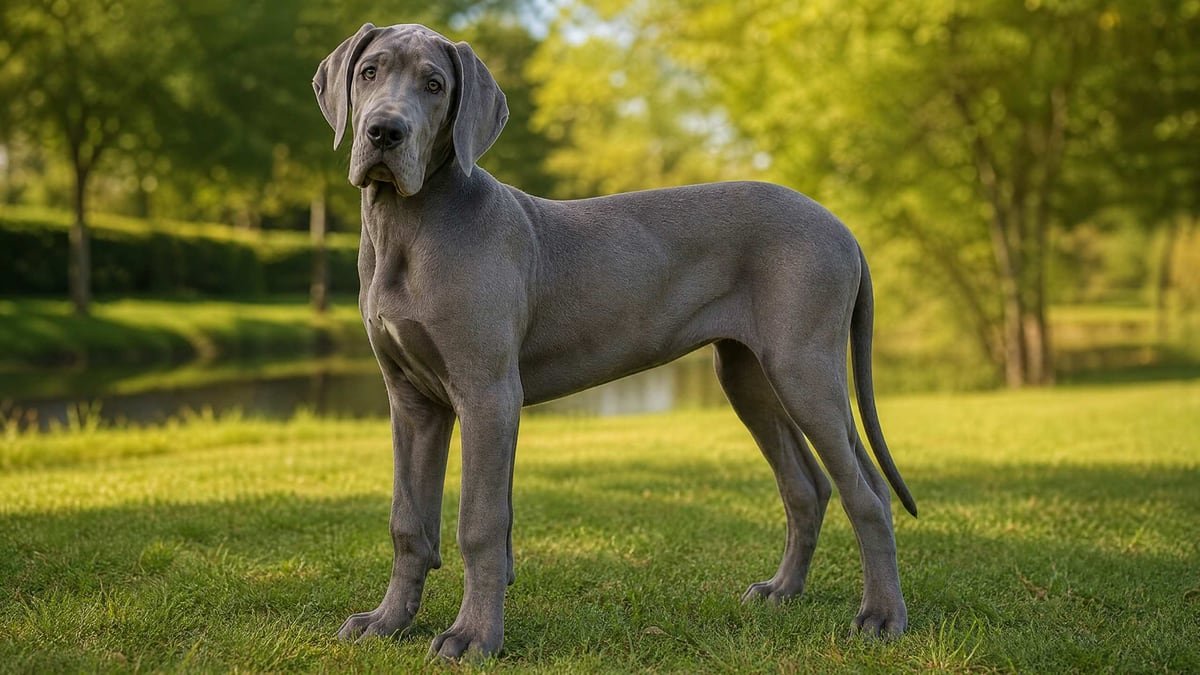
Overview
Adult weight reference
Males 63.5-79.4 kg; females 49.9-63.5 kg
Males 140-175 lb; females 110-140 lb
Size class
Giant breed
Matched size chart
Growth pace
Slower
Typical for this breed size
Check-in cadence
Weekly to monthly
Suggested rhythm
<16 w weekly | 16-32 w biweekly | 32 w+ monthly
Quick answers
Start with adult size, then use your own measurements to follow puppy growth.
Adult weight
The AKC breed profile gives adult males at 140-175 lb (63.5-79.4 kg) and females at 110-140 lb (49.9-63.5 kg). These are profile references, not a requirement to reach the top of the range.
Calculator
Open the calculator with Great Dane selected, enter your puppy's age and current weight, and choose the correct units. The result is an adult-size estimate, not an assessment of whether your puppy is healthy.
Giant puppy
A tall puppy may still be developing. Use an appropriate large-breed growth diet and follow body condition instead of adding food to make your Dane reach an adult number sooner.
Puppy growth
There is no single monthly number that every puppy should reach. Compare repeat measurements with a suitable growth chart and body condition, and ask your veterinarian about a changed trend.
Adult weight reference
The AKC breed profile gives adult males at 140-175 lb (63.5-79.4 kg) and females at 110-140 lb (49.9-63.5 kg). These are profile references, not a requirement to reach the top of the range.
For puppy weights by age, follow measurements over time on a chart suited to sex and expected adult size. WALTHAM offers charts from 12 weeks; ask your veterinarian which chart to use.
| Reference | Adult weight |
|---|---|
| Adult male, AKC breed profile | 140-175 lb (about 63.5-79.4 kg) |
| Adult female, AKC breed profile | 110-140 lb (about 49.9-63.5 kg) |
Source: AKC Great Dane breed profile
Maturity
Giant dogs can take nearly two years to reach adulthood. This is broad size-based guidance, not an exact Great Dane deadline; growth, frame and body condition should guide diet and activity changes.
Record weight and any changes in meals, activity or health. Bring the record to routine veterinary visits.
A slower rate of gain can be part of approaching maturity. Ask your veterinarian when a puppy growth diet should change.
Body condition
Use a suitable pet scale or a veterinary-clinic weigh-in. Record movement and appetite changes along with the weight.
Growth check
Healthy Great Dane growth combines steady weight gain, a visible waist, comfortable movement, age-appropriate energy, and calm recovery after meals and activity.
Giant-breed check
For Great Danes, movement comfort and body condition often reveal more than one heavy weigh-in.
Weight factors
Great Dane weight is shaped by sex, height, frame, growth speed, feeding formula, meal rhythm, movement comfort, and health history.
AKC profile ranges place males around 140-175 lb and females around 110-140 lb, so compare your dog with the right sex and frame context.
Extra calories can make a giant puppy look impressive early, but controlled growth is safer for bones, joints, and long-term movement.
A complete diet labeled for large-size growth helps manage calories, calcium, phosphorus, and mineral balance during the long puppy stage.
A Great Dane should have rib feel and a waist. Heavy fat over the ribs, neck, spine, or tail base is not useful adult substance.
Meal size, meal speed, stress around feeding, raised bowls, and exercise timing deserve attention because GDV is an emergency risk in deep-chested giant breeds.
Feeding
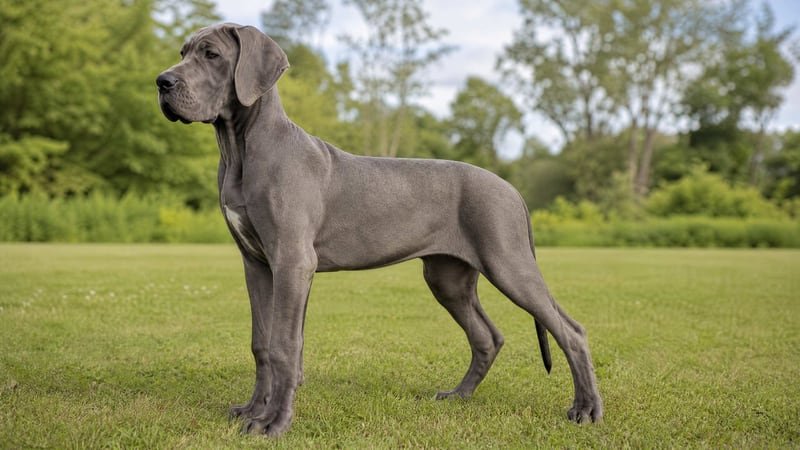
Feeding profile
Choose a complete large/giant-breed growth formula for puppies and measure portions consistently. Do not add calcium or vitamin supplements unless your veterinarian directs it.
Meal rhythm
Young giant puppies often do best with multiple smaller meals. Adults commonly settle into two measured meals, but the exact rhythm should fit appetite, stool, growth, and veterinary advice.
Bloat awareness
Use slow feeders or food puzzles for dogs that inhale meals, feed in a calm place, avoid competition around food, and ask your vet about prophylactic gastropexy for high-risk dogs.
Portion tracking
A kitchen scale is more consistent than a cup. On a giant puppy, small daily overages can become meaningful weight jumps over several weeks.
Stages
Use a consistent record as your puppy develops.
First weigh-in
Record the date, age, weight and units. Ask your veterinarian about expected adult size and an appropriate chart.
Repeat visits
Use a suitable pet scale or a veterinary-clinic weigh-in. Record movement and appetite changes along with the weight.
Approaching adulthood
Discuss feeding and activity as growth slows. Continued gain is not automatically a sign that more food is needed.
Related guides
Age guide
Read general growth context and the limits of age-based weight estimates.
Open age guideCondition
Use rib, waist, and tuck checks to decide whether Great Dane's number looks healthy in real life.
Open condition guideLarge growth
Use slow-growth context for Great Dane's frame, food routine, and exercise plan.
Open large guideAge calculator
Use the giant adult-size band to compare Great Dane age with human years.
Calculate ageGrowth tracking
Feeding rules
Use scheduled measured meals instead of free-feeding so growth, appetite, stool, and body condition are easier to track.
Avoid intense exercise close to meals and give the dog calm time before and after eating, especially if the dog gulps food.
Choose a complete diet labeled for growth of large-size dogs so calories, calcium, phosphorus, and mineral balance fit a giant puppy.
Many giant-breed puppies need growth nutrition longer than small breeds. Ask your veterinarian before switching early or adding supplements.
Veterinary sources now list raised bowls among GDV risk factors. Use floor-level or vet-directed feeding setups and prioritize slow, calm meals.
Keep fresh water available.
Daily life
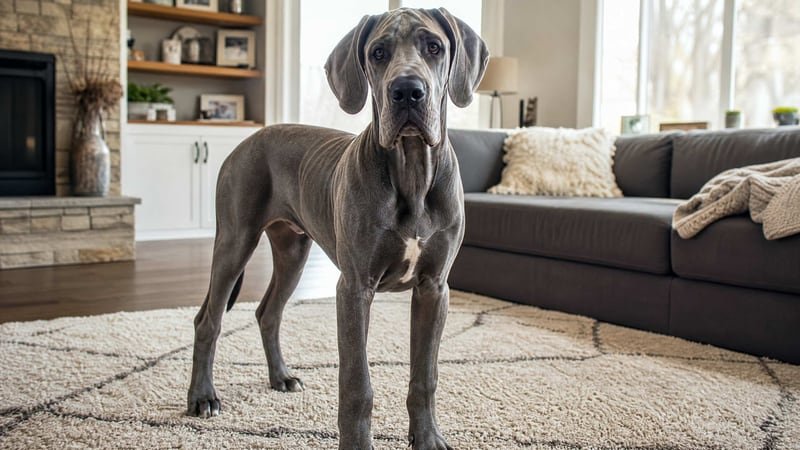
Good fit for
Things to watch
Care
Use measured giant-breed portions and focus on steady growth rather than fast gain.
Controlled low-impact movement is more useful than intense exercise during growth.
Low coat maintenance, but large-body checks should stay routine.
Calm handling and early consistency matter because size changes quickly.
Warning signs
Because Great Danes grow so rapidly and their healthy weight range is wide, it can be difficult to know when your dog has crossed into unhealthy territory. Here are the clear red flags to watch for.
Similar breeds
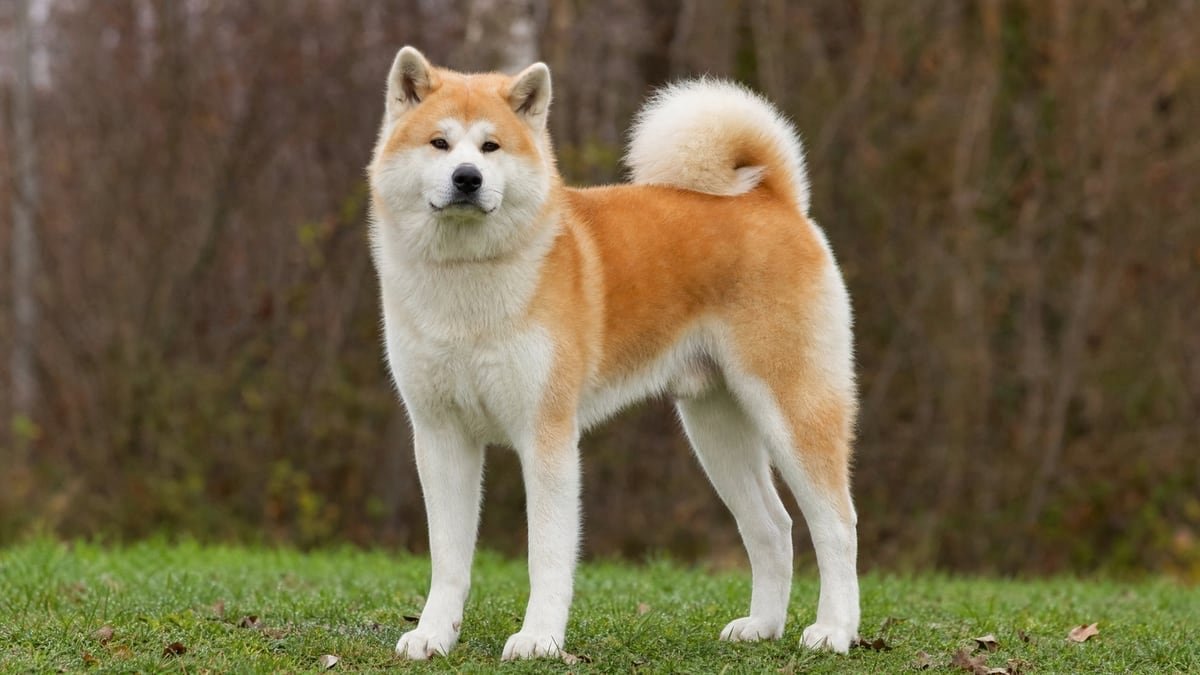
Next step
Use age and current weight for a planning estimate. Track repeat measurements and discuss your dog's individual growth with your vet.
FAQ
The adult-size references are linked below. They do not supply the monthly puppy weights: puppy growth is assessed using repeat measurements, suitable growth charts and body condition.
Estimates only. Not veterinary advice.