Medium breed

Australian Shepherd Weight Chart & Growth Guide

Updated weekly

Australian Shepherd puppies are clever, athletic, and often busier than their bodies are ready to be. This guide reads weight through a herding-dog lens: lean muscle, steady energy, coat-hidden body condition, mental work, rest days, and sensible exercise during growth.

An Aussie weight trend only makes sense when you know how much work, rest, and training happened that week.

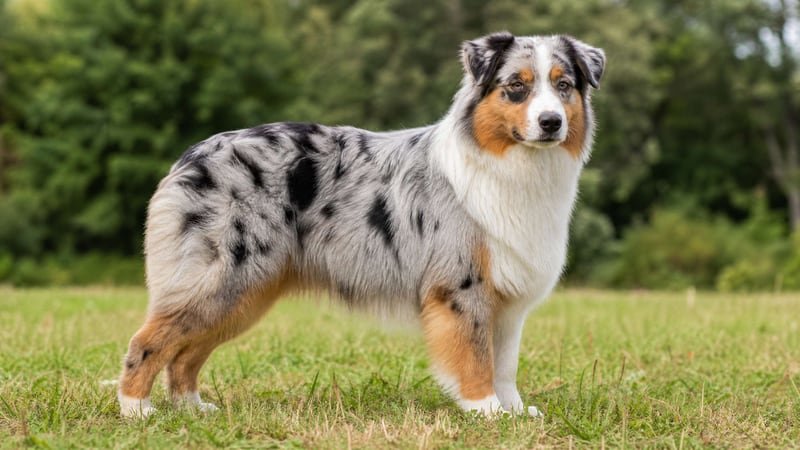
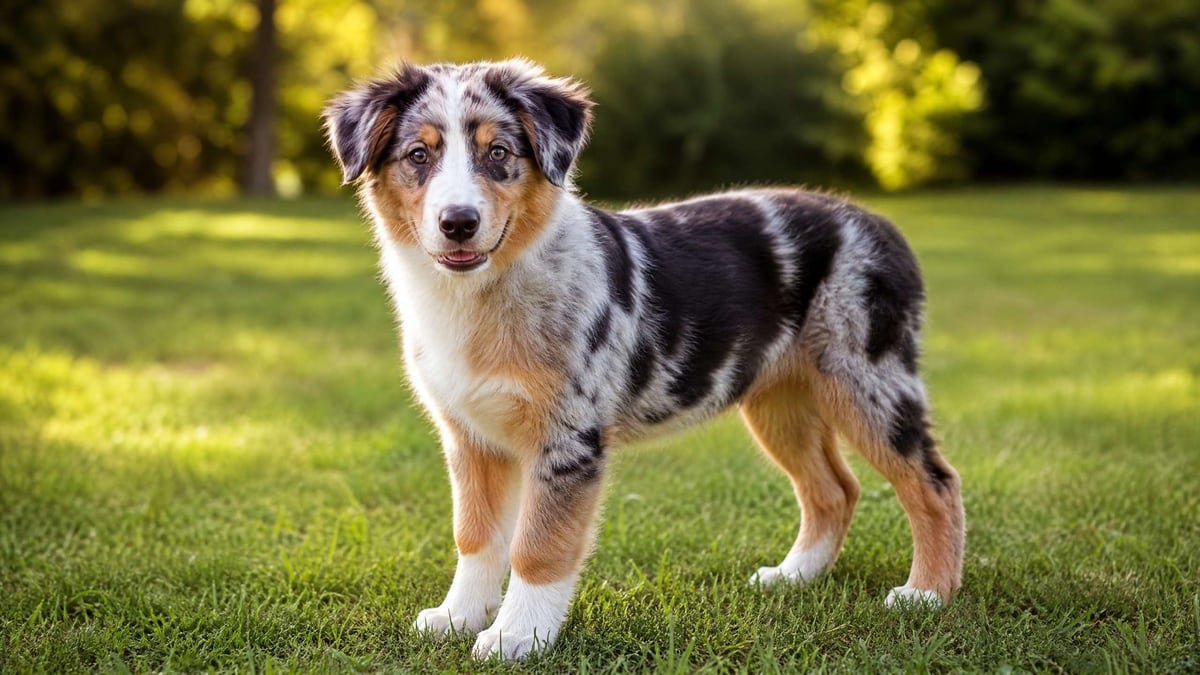
Australian Shepherd puppy for the Australian Shepherd weight chart and growth guide

Life Span

Adult range

18-29 kg

39.7-63.9 lb

Size class

Medium breed

Matched size chart

Growth pace

Moderate

Typical for this breed size

Check-in cadence

Weekly to monthly

Suggested rhythm

<16 w weekly | 16-32 w biweekly | 32 w+ monthly

Australian Shepherd Weight Chart by Age

Australian Shepherds are athletic herding dogs. Males are often heavier, while females may stay leaner and still be perfectly healthy.

Use this chart with body condition and workload. A puppy coming off a busy training week should not be judged the same way as one that has had several quiet days.

AgeMale WeightFemale Weight
2 months10-15 lb (4.5-6.8 kg)8-13 lb (3.6-5.9 kg)
3 months18-25 lb (8.2-11.3 kg)15-22 lb (6.8-10 kg)
4 months25-35 lb (11.3-15.9 kg)20-30 lb (9.1-13.6 kg)
5 months32-43 lb (14.5-19.5 kg)25-36 lb (11.3-16.3 kg)
6 months38-50 lb (17.2-22.7 kg)30-42 lb (13.6-19.1 kg)
8 months45-58 lb (20.4-26.3 kg)35-48 lb (15.9-21.8 kg)
10 months48-63 lb (21.8-28.6 kg)38-52 lb (17.2-23.6 kg)
12 months50-65 lb (22.7-29.5 kg)40-55 lb (18.1-24.9 kg)
18 months50-65 lb (22.7-29.5 kg)40-55 lb (18.1-24.9 kg)

When Does an Australian Shepherd Stop Growing?

Aussies often reach most height near the first year, but muscle, coat, stamina, focus, and emotional maturity continue developing.

6-9 months

Adolescent athlete

The puppy may have lots of energy but still needs protected joints and planned rest.

9-12 months

Adult outline appears

Height is close for many dogs, but muscle and coat continue filling in.

12-18 months

Conditioning stage

Training, hikes, sports, and recovery shape adult muscle and stamina.

18+ months

Working adult rhythm

Adult weight depends heavily on workload, food, coat checks, and mental outlets.

Do not mistake drive for readiness.

An Aussie may want endless activity before the body is mature enough for endless impact.

Signs Your Australian Shepherd Is Growing Well

A good Aussie trend shows lean muscle, normal recovery, steady appetite, and behavior that improves with appropriate work and rest.

Positive signs

  • Ribs are easy to feel through the double coat.
  • Waist and tuck are present when the coat is parted or felt.
  • Puppy recovers normally after age-appropriate training and play.
  • Stool stays steady as activity and food change.
  • Coat and skin look healthy during brushing.
  • Mental work reduces restlessness without needing more food.

Worth monitoring

  • Weight drops while workload stays high.
  • Weight rises quickly after activity drops.
  • Limping, stiffness, paw soreness, or slow recovery appears.
  • Ribs become hard to feel under coat and padding.
  • Seizures, medication reactions, or sudden behavior changes occur.

Log activity beside weight.

Aussie weight checks are most useful when paired with what the dog actually did that week.

What Affects an Australian Shepherd's Weight?

Aussie weight is shaped by sex, line type, workload, coat, food rewards, recovery, and health comfort.

Line type

Working and companion lines

Some Aussies mature leaner and more compact, while others carry more substance.

Workload

Herding-dog energy

Training, sports, hiking, and active play change calorie needs from week to week.

Coat

Double-coat illusion

A full coat can hide padding or thinness unless ribs and waist are checked by hand.

Health

Hips, elbows, eyes, seizures, and MDR1

Health issues or medication sensitivity can change activity and appetite.

Behavior

Boredom and routine drift

Bored Aussies may become restless, destructive, or inconsistent around meals and sleep.

Why this breed needs context

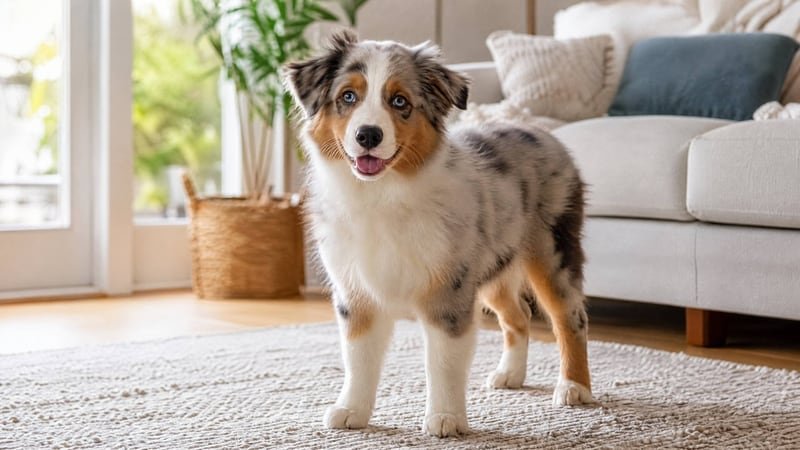
Australian Shepherd puppy body condition snapshot for growth tracking
Balanced medium pace<16 w weekly | 16-32 w biweekly | 32 w+ monthly

Active • Smart • Responsive

Australian Shepherd dogs are usually active and smart, and steady routines make their growth trend easier to read over time.

High energy, Medium grooming

Use mental enrichment, measured activity, and consistent cues to channel energy.

Best read through repeat check-ins

High drive can hide fatigue or soreness until the puppy is overworked

Updated weeklyPlanning estimates onlyView sourcesEditorial policy

Keep the next step obvious

Run a live estimate

Open the homepage calculator with Australian Shepherd selected and compare the live result with this guide.

Open calculator

Open the matching size chart

Use the Medium size chart to compare the broader checkpoint range behind this breed guide.

Open size chart

Read healthy weight basics

Review the core framework for trend tracking, body condition, and using ranges responsibly.

Open guide

Australian Shepherd Growth and Weight Chart

Australian Shepherd male and female growth chart

Use this athletic herding-dog line as a reference from 1 to 12 months.

Breed-specific monthly chart

Chart span

1-12 months

Breed-specific monthly view

Male at 12 months

27.5 kg

60.6 lb

Female at 12 months

23.8 kg

52.5 lb

Re-check cadence

2-3 weeks

Trend beats one weigh-in

Monthly reference 1-12 months
Australian Shepherd male and female growth chart Breed-specific growth chart for Australian Shepherd from 1 through 12 months in kg.051015202530123456789101112 Male Female Age (months) Weight (kg)
Male line Female line

This breed-specific chart tracks the average monthly line for male and female Australian Shepherd puppies from 1-12 months. Read with workload, coat checks, and recovery.

Want a live estimate from your dog's current age and weight?

Open the homepage calculator with Australian Shepherd selected, add the latest weigh-in, then compare the result back against this guide.

How to read this graph for Australian Shepherd

  • Use the male line for male puppies and the female line for female puppies, because Australian Shepherd dogs often grow at different rates through the first year.
  • Month-to-month progress matters more than one high or low weigh-in, especially during the faster early-growth months.
  • Use the live calculator after repeat weigh-ins, then compare the result back to this breed-specific chart to confirm the trend is still moving steadily.

<16 w weekly | 16-32 w biweekly | 32 w+ monthly

Re-check an Australian Shepherd every 2 to 3 weeks during growth, and sooner after major workload or food changes.

Run the live estimate with this breed selected

Most useful after a fresh weigh-in, then compare the result back against this breed graph and the matching size chart.

Australian Shepherd Growth Stages Explained

Aussie growth pairs physical development with mental maturity. The brain needs work, but the body also needs rest.

Early foundation

Puppies depend on breeder care, early handling, and social exposure before coming home.

Home routine

Start meals, socialization, leash confidence, crate rest, and simple cues.

Fast learner stage

Energy rises. Use training games, sniffing, and controlled play instead of constant impact.

Teen herder

The dog may want a job all day. Build skills, settle behavior, and recovery.

Conditioning window

Muscle, coat, stamina, and focus mature with balanced work and rest.

Balanced adult

Adult care centers on workload-matched food, brushing, mental work, recovery, and body-condition checks.

Feeding Rules Every Australian Shepherd Owner Should Know

Rule 1

Match food to workload

Adjust slowly when training, hiking, sport, or rest weeks change.

Rule 2

Use scheduled meals

Measured meals help separate growth, activity, and treat effects.

Rule 3

Use life-stage nutrition

Puppies need growth food, then adult food once maturity and your vet's guidance align.

Rule 4

Feed after calm recovery

Let the dog cool down after hard play or training before a full meal.

Rule 5

Hydrate during active days

Water matters during heat, sports, hikes, and long training sessions.

Rule 6

Use puzzles with measured food

Food puzzles are useful, but they should hold meal calories rather than extras.

How Much Should I Feed My Australian Shepherd?

Aussie portions depend on age, adult frame, activity load, food calories, training rewards, and body condition under the coat.

Workload matched - lean condition - coat-aware checks

Regular meals for busy puppies

Young Aussies need predictable meals while activity, training, and growth are changing.

Feed the real week

A sport week, a rainy rest week, and a growth-spurt week may need different calorie decisions.

Train without calorie creep

Use tiny treats, meal kibble, toys, praise, and play to keep training productive.

Temperament & daily fit

Australian Shepherd puppy daily life photo for healthy weight guidance
ActiveSmartResponsive

Homes that match this breed

  • Active owners who can provide training, movement, and mental work daily
  • Homes that understand rest is part of puppy growth
  • People prepared for brushing, shedding, and coat-aware body checks

What can change the trend

  • High drive can hide fatigue or soreness until the puppy is overworked
  • Coat can make rib and waist changes hard to see
  • MDR1 drug sensitivity is common enough in the breed to discuss with your vet

Care routine

Feeding

Match measured meals to real activity while keeping ribs easy to feel.

Exercise

Use age-appropriate training, walks, play, and rest instead of nonstop high-impact work.

Grooming

Brush the double coat and use grooming time to check ribs, waist, ears, paws, and skin.

Training

Give the brain a job with cues, puzzles, settle practice, and reward-based work.

Warning Signs: Is Your Australian Shepherd Overweight or Underweight?

Aussies should look athletic under the coat. Read weight with muscle, recovery, behavior, and workload.

Signs of extra weight

  • Ribs are hard to feel through coat and padding
  • Waist and tuck soften when coat is parted
  • Dog tires sooner during normal training
  • Turning, jumping, or rising looks heavier
  • Weight rises after activity drops
  • Training treats or table food have increased

Signs of too little weight

  • Ribs, spine, or hips feel sharp under the coat
  • Muscle over shoulders or thighs looks thin
  • Energy fades before normal work is done
  • Recovery takes longer than expected
  • Appetite stays high but weight falls
  • Stool changes or stress coincides with weight loss

Compare similar guides

Run the estimate with Australian Shepherd selected

Use live age and weight inputs, then compare the result with this breed guide and its matching size chart.

Frequently asked questions

Many Australian Shepherds fall around 40-65 lb (18-29 kg), with males often heavier and females often lighter.

Many 6-month Aussies are around 30-50 lb (13.6-22.7 kg), depending on sex, frame, and workload.

Many reach most height by about 12 months, then continue building muscle, coat, and working condition through 18 months or more.

Training, sport, hiking, and rest weeks can change calorie needs quickly, so weight should be read with workload.

Many herding breeds, including Aussies, can carry MDR1 drug sensitivity. Ask your vet whether testing or medication precautions are appropriate.

Track workload, rest, ribs, waist, coat, stamina, recovery, stool, appetite, paws, behavior, and medication notes.

Call your vet for lameness, seizures, medication reactions, sudden weight loss, rapid gain, poor recovery, appetite changes, or persistent digestive issues.

Estimates only. Not veterinary advice.