Medium breed

Basset Hound Weight Chart & Growth Guide

Updated weekly

Basset Hound puppies are short, sturdy, and heavier-boned than they look, but extra weight can strain a low frame quickly. This guide connects the weight chart with measured meals, daily walks, skin-fold and ear checks, joint comfort, IVDD awareness, and deep-chested feeding habits.

A Basset can be naturally heavy-boned without needing extra padding; comfort is the real target.

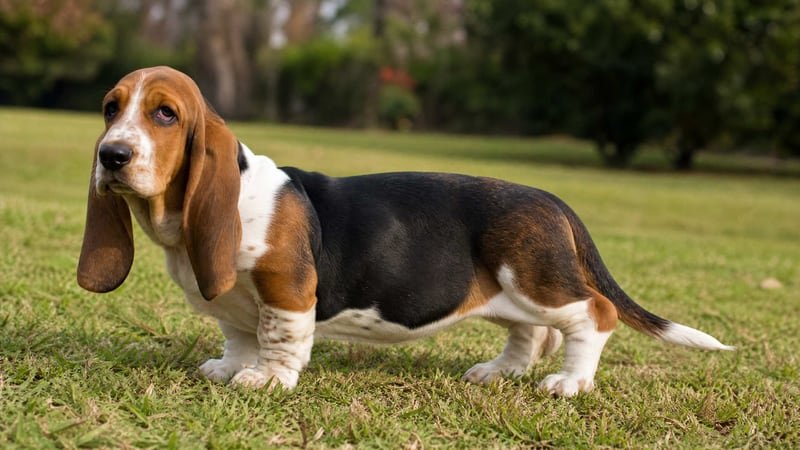
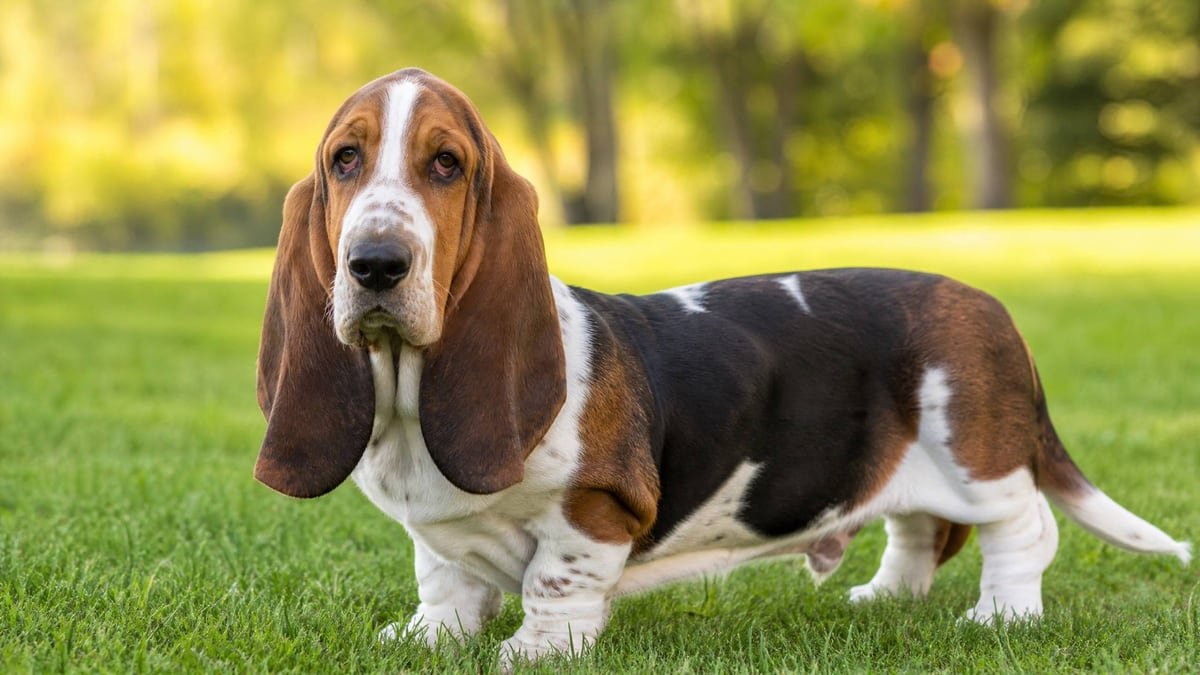
Basset Hound puppy for the Basset Hound weight chart and growth guide

Life Span

Adult range

18-29 kg

39.7-63.9 lb

Size class

Medium breed

Matched size chart

Growth pace

Moderate

Typical for this breed size

Check-in cadence

Weekly to monthly

Suggested rhythm

<16 w weekly | 16-32 w biweekly | 32 w+ monthly

Basset Hound Weight Chart by Age

Basset Hounds are low-set but not light-boned. Many adults fall around 40-65 lb, and their build can make extra weight hard to spot until movement changes.

Use this chart with rib checks, waist checks, walking comfort, ear and skin notes, and careful feeding. Heavy is not the same as healthy.

AgeTypical Male WeightTypical Female Weight
2 months9-15 lb (4.1-6.8 kg)8-13 lb (3.6-5.9 kg)
3 months16-25 lb (7.3-11.3 kg)14-22 lb (6.4-10 kg)
4 months24-36 lb (10.9-16.3 kg)21-32 lb (9.5-14.5 kg)
5 months31-45 lb (14.1-20.4 kg)27-40 lb (12.2-18.1 kg)
6 months37-53 lb (16.8-24 kg)32-47 lb (14.5-21.3 kg)
8 months45-61 lb (20.4-27.7 kg)39-55 lb (17.7-24.9 kg)
10 months50-65 lb (22.7-29.5 kg)43-60 lb (19.5-27.2 kg)
12 months52-65 lb (23.6-29.5 kg)45-62 lb (20.4-28.1 kg)
18 months45-65 lb (20.4-29.5 kg)40-60 lb (18.1-27.2 kg)

When Does a Basset Hound Stop Growing?

Bassets often reach most height early because they are low-set, but chest, bone, muscle, and adult body condition can continue settling into the second year.

2-5 months

Low frame develops

The puppy becomes sturdy quickly while joints and spine still need protection.

5-10 months

Heavy-bone stage

Chest, paws, ears, and body length become more obvious, but activity should stay low-impact.

10-15 months

Adult outline

Weight may look mature, though muscle and condition are still settling.

15-24 months

Comfort finish

Adult routine should protect joints, back, digestion, ears, and skin folds.

Protect comfort, not heaviness.

A good Basset trend supports easy walking, clear breathing, good skin, and a back that is not overloaded.

Signs Your Basset Hound Is Growing Well

A healthy Basset puppy should feel sturdy but not padded, move comfortably, and keep ears and skin folds clean.

Positive signs

  • Ribs can be felt even though the dog is heavy-boned.
  • The waist and belly line stay manageable for a low frame.
  • Walking remains comfortable without repeated limping or stiffness.
  • The back is protected by limiting jumps and repeated stairs.
  • Ears and folds stay clean without odor, redness, or debris.

Worth monitoring

  • Extra weight starts changing stairs, rising, or walking comfort.
  • Belly swelling, retching without vomit, pacing, or heavy drooling appears.
  • Ear or skin-fold infections keep returning.
  • Treats increase while daily walks stay short.
  • Back pain, weakness, or wobbliness appears suddenly.

Heavy-boned is not the same as overweight.

A Basset can be substantial and still need lean condition to protect joints, spine, skin, and comfort.

What Affects a Basset Hound's Weight?

Basset weight is shaped by bone, low-set structure, appetite, walking routine, joint comfort, ear and skin health, and deep-chested digestion.

Build

Heavy bone, short legs

Bassets are naturally substantial, but that does not mean extra fat is harmless.

Movement

Low-impact exercise

Daily walks help weight and joints without asking for athletic jumping.

Joints

Hips, elbows, and knees

Lean condition reduces stress on joints that already work hard.

Back

Long-back awareness

Weight control and limiting jumps help protect the spine.

Skin

Folds and ears

Infections or discomfort can reduce activity and change appetite.

Meals

Deep-chested feeding care

Large meals and hard activity around meals are worth managing carefully.

Why this breed needs context

Basset Hound puppy body condition snapshot for growth tracking
Balanced medium pace<16 w weekly | 16-32 w biweekly | 32 w+ monthly

Easygoing • Scent-driven • Sturdy

Basset Hound dogs are usually easygoing and scent-driven, and steady routines make their growth trend easier to read over time.

Medium energy, Low grooming

Use patient reward-based routines while keeping food rewards small and measured.

Best read through repeat check-ins

Extra weight stresses joints, back, and low-set movement

Updated weeklyPlanning estimates onlyView sourcesEditorial policy

Keep the next step obvious

Run a live estimate

Open the homepage calculator with Basset Hound selected and compare the live result with this guide.

Open calculator

Open the matching size chart

Use the Medium size chart to compare the broader checkpoint range behind this breed guide.

Open size chart

Read healthy weight basics

Review the core framework for trend tracking, body condition, and using ranges responsibly.

Open guide

Basset Hound Growth and Weight Chart

Basset Hound growth chart

Use this low-set hound reference to compare Basset Hound growth from 1 to 12 months.

Breed-specific monthly chart

Chart span

1-12 months

Breed-specific monthly view

Male at 12 months

-- kg

-- lb

Female at 12 months

-- kg

-- lb

Re-check cadence

2-3 weeks

Trend beats one weigh-in

Monthly reference 1-12 months
Basset Hound growth chart Breed-specific growth chart for Basset Hound from 1 through 12 months in kg.05101520253035123456789101112 Upper-frame Basset Lower-frame Basset Age (months) Weight (kg)
Male line Female line

This breed-specific chart tracks the average monthly line for male and female Basset Hound puppies from 1-12 months. Steady progress matters more than one weigh-in.

Want a live estimate from your dog's current age and weight?

Open the homepage calculator with Basset Hound selected, add the latest weigh-in, then compare the result back against this guide.

How to read this graph for Basset Hound

  • Use the male line for male puppies and the female line for female puppies, because Basset Hound dogs often grow at different rates through the first year.
  • Month-to-month progress matters more than one high or low weigh-in, especially during the faster early-growth months.
  • Use the live calculator after repeat weigh-ins, then compare the result back to this breed-specific chart to confirm the trend is still moving steadily.

<16 w weekly | 16-32 w biweekly | 32 w+ monthly

Re-check a Basset Hound every 2 to 4 weeks during growth, and sooner if appetite, movement, stairs, ears, skin, or stool changes.

Run the live estimate with this breed selected

Most useful after a fresh weigh-in, then compare the result back against this breed graph and the matching size chart.

Basset Hound Growth Stages Explained

Basset growth is about low-set structure, steady meals, safe movement, and keeping ears, skin, joints, and back comfortable.

Breeder foundation

Early health, weaning, and litter records help set a realistic starting point.

Low-impact home setup

Build meal rhythm, leash basics, ear handling, nail care, and safe furniture habits.

Sturdy puppy stage

The body gets heavier and longer, so avoid repeated stairs, jumping, and treat creep.

Adolescent hound

Scent drive and stubborn moments grow, but walking and meals still need structure.

Adult comfort phase

Bone, chest, muscle, and condition settle while joints and back stay a priority.

Maintenance Basset

Adult care centers on measured food, daily walks, ear and skin checks, nails, joints, and digestion.

Feeding Rules Every Basset Hound Owner Should Know

Rule 1

Keep portions measured

Extra weight affects a low frame quickly.

Rule 2

Use calm meal times

Regular meals make appetite, stool, and weight easier to track.

Rule 3

Avoid intense activity around meals

Give calm time before and after full meals, especially for deep-chested dogs.

Rule 4

Feed by life stage

Puppy nutrition supports growth; adult food comes later with vet guidance.

Rule 5

Keep water available

Hydration supports digestion, skin, and warm-weather walks.

Rule 6

Change food slowly

Track stool, skin, ear comfort, appetite, and weight during transitions.

How Much Should I Feed My Basset Hound?

Basset portions depend on age, frame, food calories, walking routine, treats, body condition, and whether weight is affecting movement comfort.

Measured meals - low-impact movement - joint-friendly condition

Steady meals protect growth

Young Bassets need reliable food without pushing fast weight gain.

Small rewards only

Use tiny treats for training because a low-set frame pays for extra calories.

Watch movement after meals and rest

Note trouble rising, stairs hesitation, limping, retching, or belly changes.

Temperament & daily fit

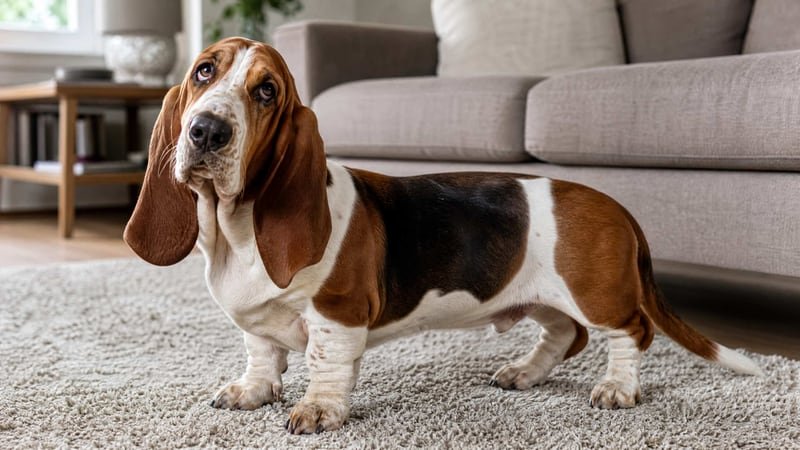
Basset Hound puppy daily life photo for healthy weight guidance
EasygoingScent-drivenSturdy

Homes that match this breed

  • Homes that enjoy patient scent walks and calm companionship
  • Owners who can prevent overfeeding and avoid unnecessary jumping
  • People ready for ear, skin-fold, nail, and movement checks

What can change the trend

  • Extra weight stresses joints, back, and low-set movement
  • Long ears and skin folds can trap moisture
  • Deep chest and heavy meals make feeding timing important

Care routine

Feeding

Keep meals measured, avoid heavy treat use, and protect against fast gain on a low frame.

Exercise

Use daily sniff walks and low-impact movement while avoiding repeated stairs and jumping.

Grooming

Check ears, skin folds, nails, paws, and ribs often despite the short coat.

Training

Use patient reward work with tiny treats and steady leash manners around scents.

Warning Signs: Is Your Basset Hound Overweight or Underweight?

Bassets are naturally substantial, so use hands-on checks and movement comfort instead of appearance alone.

Signs of extra weight

  • Ribs are hard to feel
  • Waist and belly line disappear
  • Walking looks slower or more labored
  • Stairs, getting up, or car entry becomes harder
  • Skin folds stay damp or irritated
  • Treat use rose while exercise stayed the same

Signs of too little weight

  • Ribs, hips, or spine feel sharp
  • Muscle over shoulders or thighs looks thin
  • Energy drops on normal sniff walks
  • Appetite changes with weight loss
  • Loose stool or vomiting accompanies the change
  • A recent illness, pain, or dental issue affects eating

Compare similar guides

Run the estimate with Basset Hound selected

Use live age and weight inputs, then compare the result with this breed guide and its matching size chart.

Frequently asked questions

Many Basset Hounds fall around 40-65 lb (18-29 kg), but comfort, ribs, waist, and movement matter more than heaviness.

Many 6-month Bassets are around 32-53 lb (14.5-24 kg), depending on sex and frame.

Many are close to adult height by 12-15 months, but bone, chest, muscle, and condition can continue maturing toward 24 months.

Bassets are heavy-boned, but excess fat still stresses joints, spine, and breathing. Ribs should remain feelable.

Use daily low-impact sniff walks and play, while limiting repeated stairs, jumping, and forced endurance.

Track ribs, waist, walking comfort, stairs, ears, skin folds, nails, stool, appetite, meal timing, and treats.

Call your vet for sudden back pain, weakness, retching without vomiting, swollen abdomen, limping, repeated ear or skin infections, or fast weight change.

Estimates only. Not veterinary advice.