Large breed

Labrador Retriever Weight Chart & Growth Guide

Updated weekly

Labrador Retriever puppies often grow quickly through the first year, but the healthiest trend is steady, lean progress rather than chasing the top of the chart. Use this guide to compare male and female growth, meal rhythm, exercise, and body-condition signs.

Labs often look hungry even when their calories are right, so the scale, waist, and rib feel matter more than appetite.

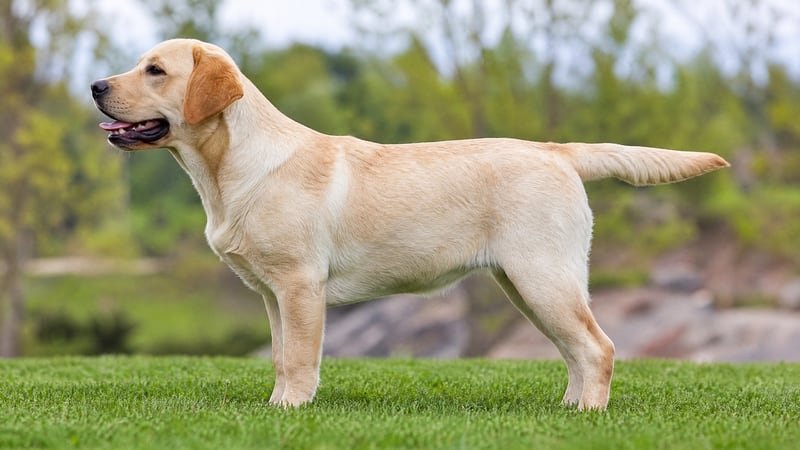
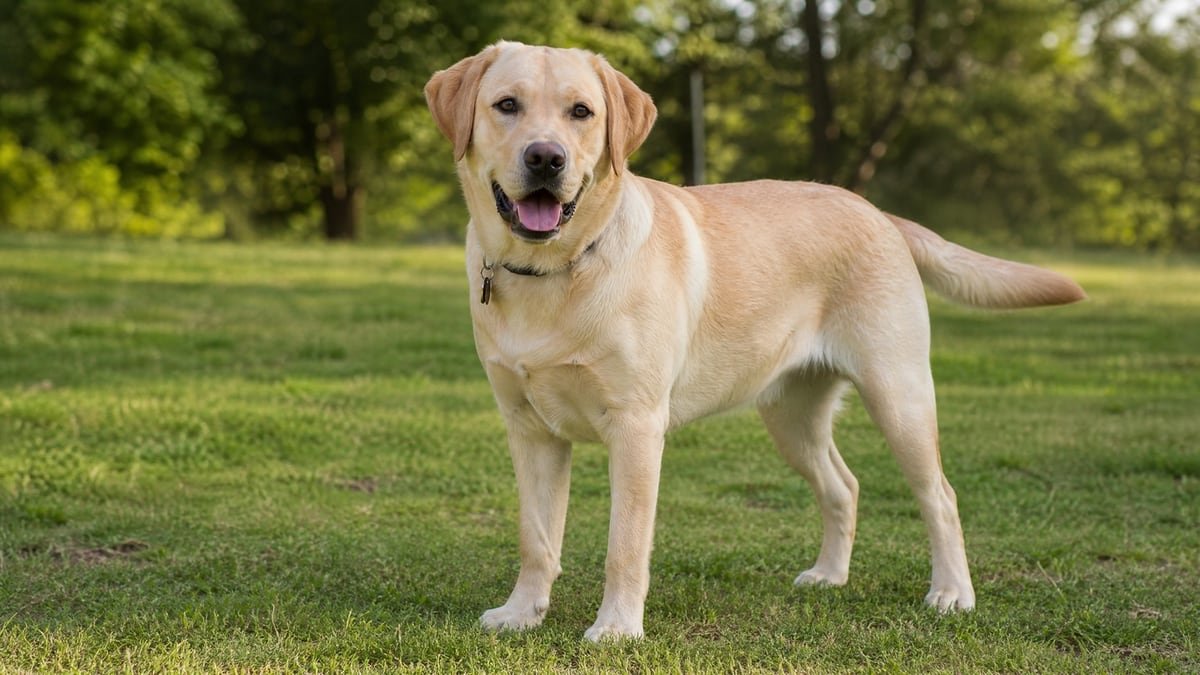
Labrador Retriever puppy for the Labrador Retriever weight chart and growth guide

Life Span

Adult range

25-36 kg

55.1-79.4 lb

Size class

Large breed

Matched size chart

Growth pace

Slower

Typical for this breed size

Check-in cadence

Weekly to monthly

Suggested rhythm

<16 w weekly | 16-32 w biweekly | 32 w+ monthly

Labrador Retriever Weight Chart by Age

Labrador puppies usually move through a fast early growth phase, then continue filling out into a solid sporting-dog frame. Males often finish heavier than females, but both should stay lean enough that the ribs can be felt without digging.

Use this chart as a planning range rather than a target to beat. A Labrador that is slightly below the midpoint with good muscle, energy, and a visible waist is usually in a better place than one racing upward because food rewards are too generous.

AgeMale WeightFemale Weight
2 months14-20 lb (6.4-9.1 kg)12-18 lb (5.4-8.2 kg)
3 months22-30 lb (10-13.6 kg)18-26 lb (8.2-11.8 kg)
4 months30-40 lb (13.6-18.1 kg)25-35 lb (11.3-15.9 kg)
5 months38-50 lb (17.2-22.7 kg)30-42 lb (13.6-19.1 kg)
6 months45-58 lb (20.4-26.3 kg)36-50 lb (16.3-22.7 kg)
8 months55-68 lb (24.9-30.8 kg)46-58 lb (20.9-26.3 kg)
10 months63-75 lb (28.6-34 kg)52-64 lb (23.6-29 kg)
12 months65-80 lb (29.5-36.3 kg)55-70 lb (24.9-31.8 kg)
18 months65-80 lb (29.5-36.3 kg)55-70 lb (24.9-31.8 kg)

When Does a Labrador Retriever Stop Growing?

Most Labradors are close to adult height around the first birthday, but the body still changes after that as the chest, shoulders, and muscle tone mature.

9-12 months

Height starts to settle

Many Labs have reached most of their height by this point, although they may still look narrow, young, and uneven through the shoulders.

12-18 months

Frame fills in

The chest deepens and the body begins to look more balanced. This is the stage where extra calories can turn into fat instead of useful growth.

18-24 months

Muscle and condition mature

Active adult Labs may continue adding lean muscle with regular exercise, especially if they swim, retrieve, hike, or train often.

Ongoing

Weight stays routine-dependent

Adult Labradors can gain quickly when treats, table scraps, or fewer walks become normal, so maintenance habits matter as much as puppy growth.

Do not let appetite decide the growth pace.

A Labrador can act hungry even when meals are correct. Let body condition, repeated weigh-ins, and your vet's guidance shape portions.

Signs Your Labrador Retriever Is Growing Well

The best Labrador growth trend combines steady weight gain with a lean waist, normal stamina, and comfortable movement.

Positive signs

  • Ribs are easy to feel under a thin fat cover.
  • A waist is visible from above even as the chest broadens.
  • Energy stays bright for walks, training, and play.
  • Stools are regular after food changes have settled.
  • Coat looks healthy, and skin is not itchy or inflamed.
  • Puppy gains gradually instead of jumping sharply after treat-heavy weeks.

Worth monitoring

  • Quick weight gain paired with a disappearing waist.
  • Reluctance to rise, run, climb stairs, or jump into the car.
  • Bunny-hopping, lameness, or repeated soreness after active play.
  • Episodes of weakness or collapse after excitement or hard exercise.
  • Recurring ear odor, head shaking, or scratching after swimming.

Use the rib-and-waist check every week.

For Labs, small food extras add up quickly. A weekly hands-on body check catches drift before the chart looks dramatic.

What Affects a Labrador Retriever's Weight?

A Labrador's chart position is shaped by frame, sex, calorie control, and how consistently the dog gets to move.

Biology

Sex and frame

Males usually finish heavier, while females often stay closer to the lower half of the Labrador range.

Line type

Field vs show influence

Field-line Labs may look leaner and more athletic, while show-line Labs often carry a broader head, chest, and body.

Appetite

Food motivation

Food rewards are useful for training, but they must be counted because Labs can collect extra calories from every person in the house.

Activity

Swimming and retrieving

Regular controlled exercise helps build muscle, but sudden long sessions after inactive weeks can leave a growing dog sore.

Health

Joints, ears, and stamina

Joint discomfort, ear infections, or exercise-related weakness can reduce activity and indirectly affect weight trends.

Why this breed needs context

Labrador Retriever puppy body condition snapshot for growth tracking
Steady large-breed pace<16 w weekly | 16-32 w biweekly | 32 w+ monthly

Social • Active • Trainable

Labrador Retriever dogs are usually social and active, and their larger frame is easiest to read when meals, activity, and weigh-ins stay steady.

High energy, Low grooming

Consistency, activity, and portion awareness help keep growth on a steady path.

Best read through repeat check-ins

Extra treats and quick eating can push weight up before the frame is finished

Updated weeklyPlanning estimates onlyView sourcesEditorial policy

Keep the next step obvious

Run a live estimate

Open the homepage calculator with Labrador Retriever selected and compare the live result with this guide.

Open calculator

Open the matching size chart

Use the Large size chart to compare the broader checkpoint range behind this breed guide.

Open size chart

Read healthy weight basics

Review the core framework for trend tracking, body condition, and using ranges responsibly.

Open guide

Labrador Retriever Growth and Weight Chart

Labrador Retriever male & female growth chart

Male and female Labrador Retriever dogs grow at different rates through the first year.

Breed-specific monthly chart

Chart span

1-12 months

Breed-specific monthly view

Male at 12 months

35.2 kg

77.5 lb

Female at 12 months

28.4 kg

62.5 lb

Re-check cadence

2-4 weeks

Trend beats one weigh-in

Monthly reference 1-12 months
Labrador Retriever male & female growth chart Breed-specific growth chart for Labrador Retriever from 1 through 12 months in kg.010203040123456789101112 Male Female Age (months) Weight (kg)
Male line Female line

This breed-specific chart tracks the average monthly line for male and female Labrador Retriever puppies from 1-12 months. Steady progress matters more than one weigh-in.

Want a live estimate from your dog's current age and weight?

Open the homepage calculator with Labrador Retriever selected, add the latest weigh-in, then compare the result back against this guide.

How to read this graph for Labrador Retriever

  • Use the male line for male puppies and the female line for female puppies, because Labrador Retriever dogs often grow at different rates through the first year.
  • Month-to-month progress matters more than one high or low weigh-in, especially during the faster early-growth months.
  • Use the live calculator after repeat weigh-ins, then compare the result back to this breed-specific chart to confirm the trend is still moving steadily.

<16 w weekly | 16-32 w biweekly | 32 w+ monthly

Re-check a Labrador every 2 to 3 weeks during active growth, then monthly once weight, waist, and exercise routine are stable.

Run the live estimate with this breed selected

Most useful after a fresh weigh-in, then compare the result back against this breed graph and the matching size chart.

Labrador Retriever Growth Stages Explained

Labradors grow from soft, fast-changing puppies into sturdy working companions. Each stage needs portion control, measured activity, and habit-building.

Nursing and weaning

Puppies depend on the mother and breeder routine. By the time they leave for home, the focus is stable food, warmth, and early handling.

Fast puppy gain

Growth is obvious week to week. Feed a large-breed puppy formula, keep treats tiny, and teach calm handling before size catches up.

Leggy active stage

Energy rises and the body may look uneven. Use walks, short retrieve games, and training breaks instead of hard repetitive jumping.

Frame consolidation

Weight gain slows compared with the earliest months. This is where overfeeding often shows as a softer waist rather than useful growth.

Adult transition

Many Labs move toward adult food around this window with veterinary guidance. The goal is maintaining lean condition as activity changes.

Condition maintenance

The adult routine should balance measured meals, regular exercise, brushing, and ear checks after water exposure.

Feeding Rules Every Labrador Retriever Owner Should Know

Rule 1

Measure every meal

Use a kitchen scale or consistent measuring method, because a Labrador's appetite is not a reliable signal of calorie need.

Rule 2

Use large-breed puppy food

Choose a growth diet appropriate for large-breed puppies through the first year unless your veterinarian recommends a different timeline.

Rule 3

Count training rewards

Food is a great training tool for Labs, but reward calories should come out of the daily food budget.

Rule 4

Slow down fast eaters

A slow feeder or food puzzle can help Labs that gulp meals and may reduce stomach upset from eating too quickly.

Rule 5

Plan for water play

Keep water available during activity, then dry the coat and ears after swimming or bathing to reduce moisture-related problems.

Rule 6

Change foods gradually

Transition over several days and watch stool quality, appetite, skin, and body condition before making another diet change.

How Much Should I Feed My Labrador Retriever?

The right Labrador portion depends on age, body condition, activity, and food calorie density. Start with the food label, then adjust using the waist, rib feel, and repeated weigh-ins.

Measured meals - counted treats - active routine

3-4 meals early, then fewer meals

Young Labrador puppies usually do best with multiple smaller meals. As they approach adulthood, many transition to two measured meals daily.

Use the expected adult range

A Lab expected to finish near 55 lb should not be fed like one expected to finish near 80 lb. Frame and condition matter more than breed average alone.

Change slowly and re-check

If the waist softens or ribs become harder to feel, reduce extras first and re-check in two weeks before making a large food change.

Temperament & daily fit

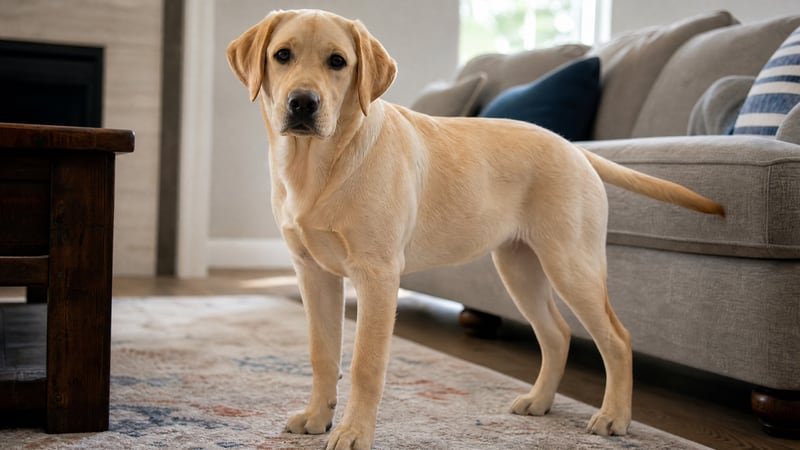
Labrador Retriever puppy daily life photo for healthy weight guidance
SocialActiveTrainable

Homes that match this breed

  • Active households that can offer walks, retrieving games, and training
  • Families who want a social dog but can still measure every meal
  • Owners prepared for shedding, swimming clean-up, and ear checks

What can change the trend

  • Extra treats and quick eating can push weight up before the frame is finished
  • Low-activity weeks after a busy routine can show up fast on the scale
  • Swimming and floppy ears make drying and ear checks part of weight-care routine

Care routine

Feeding

Feed measured large-breed puppy food through the first year, then transition gradually once growth and your vet's advice line up.

Exercise

Use regular walks, retrieving, swimming, and training games, but avoid turning every puppy session into a hard workout.

Grooming

Brush the water-repellent double coat often, especially during shedding seasons, and dry the coat and ears after water play.

Training

Labs usually train happily for food and play, so keep rewards small, frequent, and counted in the daily calorie plan.

Warning Signs: Is Your Labrador Retriever Overweight or Underweight?

Labradors can carry extra weight quietly because they are sturdy and enthusiastic. Check both the scale and the body shape.

Signs of extra weight

  • Ribs are hard to feel without firm pressure
  • Waist disappears when viewed from above
  • Base of tail and shoulders feel padded
  • Panting or fatigue appears sooner than usual
  • Reluctance to run, jump, or climb stairs
  • Food begging increases while activity drops

Signs of too little weight

  • Ribs, spine, or hip points are clearly visible
  • Muscle looks thin over the thighs and shoulders
  • Energy is lower than normal for the puppy's age
  • Coat looks dull or skin becomes flaky
  • Puppy is not gaining across multiple checkpoints
  • Appetite changes or repeated digestive upset appears

Compare similar guides

Run the estimate with Labrador Retriever selected

Use live age and weight inputs, then compare the result with this breed guide and its matching size chart.

Frequently asked questions

Most adult Labrador Retrievers fall around 55-80 lb (25-36 kg), with females commonly toward the lower end and males often toward the upper end. A lean waist and easy-to-feel ribs matter more than reaching a specific number.

Many 6-month Labradors are roughly 36-58 lb (16.3-26.3 kg), depending on sex, frame, and growth line. Use repeated weigh-ins and body condition rather than one weigh-in by itself.

Many Labs reach most of their height by about 12 months, then continue filling out through 18-24 months. The chest and muscle can mature after the scale has slowed.

Many Labradors are highly food-motivated. Hunger behavior does not always mean they need more food, so meals, treats, and training rewards should be measured.

A large-breed puppy formula is usually appropriate through the first year because it supports controlled growth. Ask your veterinarian before switching early or adding supplements.

Track rib feel, waist, stool quality, exercise comfort, ear health after swimming, and total treat intake. Those details explain the chart better than weight alone.

Call your vet if weight jumps quickly, your puppy limps, becomes reluctant to move, collapses after excitement, stops gaining, or has appetite, skin, ear, or stool changes.

Estimates only. Not veterinary advice.