
10 Best Service Dog Breeds for PTSD and Anxiety
On this page
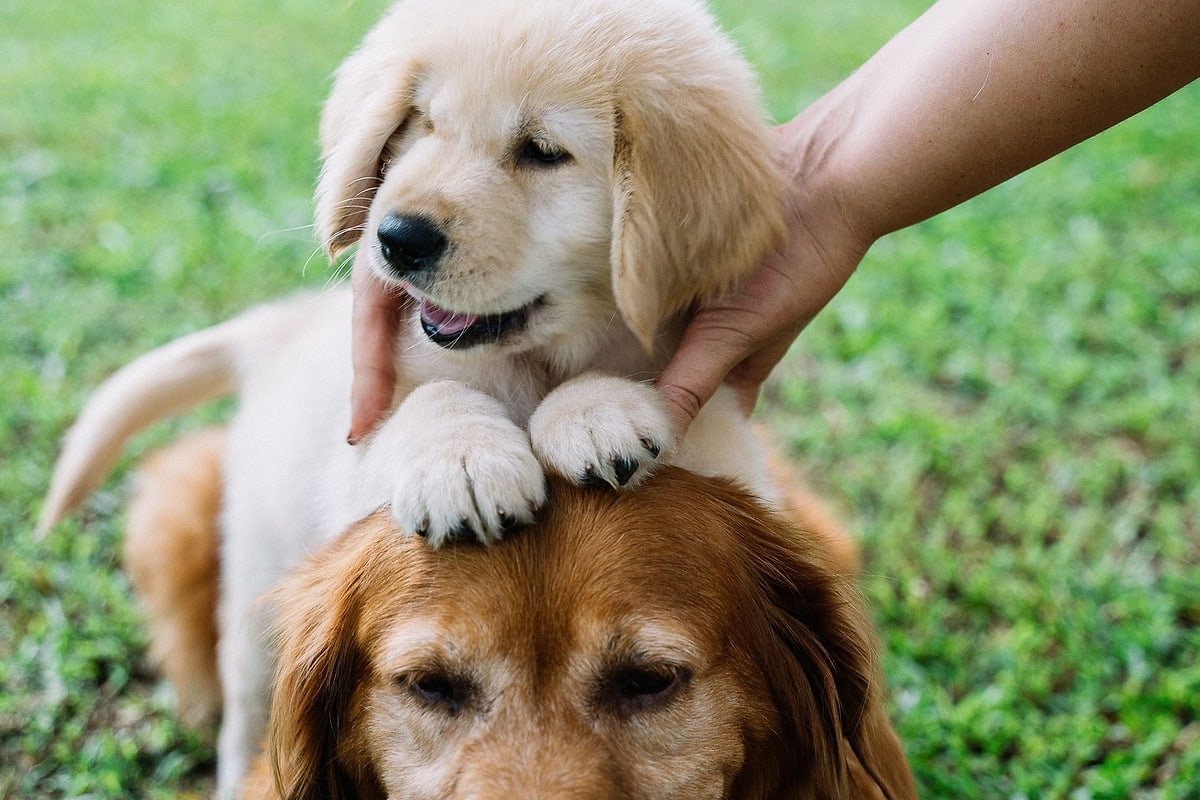
The best service dog breeds for PTSD and anxiety are often Labrador Retrievers, Golden Retrievers, and Standard Poodles. These dogs are known for their trainability and ability to work closely with people. Other breeds may also perform well when their temperament and training meet the handler's needs. Living with post-traumatic stress disorder (PTSD) or a disabling anxiety condition can make everyday activities difficult. Crowded places may feel overwhelming. Some people experience panic attacks or nightmares that affect their daily routines. A trained psychiatric service dog can help by performing specific tasks during these situations. However, choosing the right dog involves more than finding a friendly breed. The dog's behavior, size, health, and ability to remain calm in public all matter. This guide covers 10 breeds worth considering for psychiatric service work. It also explains their strengths, limitations, and daily care needs.
What Makes a Good PTSD and Anxiety Service Dog?
A psychiatric service dog is trained to perform tasks that help someone with a disability. These tasks may include interrupting a panic attack, waking a handler during a nightmare, retrieving medication, or providing a trained grounding response.
Under the U.S. Americans with Disabilities Act (ADA), service dogs can be any breed or size. The important requirement is that the dog performs trained tasks directly related to the person's disability. Important qualities include:
- Calm temperament: The dog should remain relaxed in busy public places.
- Good trainability: It should respond consistently to commands.
- Confidence: Unfamiliar sounds and situations should not easily frighten it.
- Handler focus: It should pay attention to its owner's instructions.
- Physical health: The dog must be comfortable performing its duties.
- Adaptability: It should manage changes in routine without becoming overwhelmed.
Breed characteristics can help narrow the search, but every dog needs an individual assessment.
10 Best Service Dog Breeds for PTSD and Anxiety
The first three breeds are common starting points to discuss with a qualified service-dog trainer. The remaining breeds may suit particular handlers, although some require more careful selection.
1. Labrador Retriever
Labrador Retrievers are among the most established service dog breeds. They are intelligent, friendly, and usually willing to work closely with their handlers. Their ability to learn commands makes them suitable for many types of assistance work. A Labrador may be trained to interrupt anxiety-related behaviors, retrieve essential items, or provide a grounding response during a panic episode. Their larger size may also be suitable for certain trained pressure-based tasks. Labs can often adapt well to public environments when properly selected and trained. However, they are active dogs. They need regular exercise even when their handler's routine is relatively quiet. Their love of food can help with reward-based training, but too many treats may contribute to unwanted weight gain. Owners considering this breed can review a Labrador Retriever weight chart to understand typical adult size and growth patterns.
Best suited for: People looking for a versatile, trainable dog with a well-established assistance-work background.
2. Golden Retriever
Golden Retrievers are another leading choice for psychiatric service work. They are often sociable and responsive to training. Their ability to work closely with people has made them popular with assistance-dog organizations. A properly trained Golden Retriever may learn to recognize certain behaviors associated with anxiety and respond through a specific action.
Goldens can also retrieve objects and perform other practical tasks that help their handlers. Many are comfortable around people, but individual dogs still need training to ignore strangers and distractions while working. One consideration is grooming. Golden Retrievers shed regularly and need frequent brushing. They also require daily physical activity. Before choosing a puppy, it helps to understand the breed's expected size. Our Golden Retriever weight guide explains adult weight references and growth patterns.
Best suited for: Handlers wanting an established service breed with a cooperative working style.
3. Standard Poodle
Standard Poodles are intelligent and often highly responsive to training. They can learn complex instructions and perform tasks requiring attention to their handler's behavior. Their size makes them suitable for various psychiatric assistance tasks, including trained grounding and item retrieval. Another advantage is their coat. Poodles generally shed less than Labradors or Golden Retrievers. This can be helpful for people who prefer less loose hair around the home. However, their coat needs regular grooming. No breed is completely hypoallergenic. Standard Poodles also require mental stimulation. Without enough activity and training, they may become restless. Their body size should be considered before selecting a puppy. You can use the Standard Poodle weight chart to review typical size ranges and growth stages.
Best suited for: Handlers who want an intelligent, trainable dog and are prepared for regular grooming.
4. Collie
Collies are intelligent dogs that often respond well to structured training. Their attentive nature can make them suitable candidates for psychiatric service work. A carefully selected Collie may learn to retrieve items, provide trained alerts, or perform grounding tasks. Collies can also develop strong working relationships with their handlers. However, some individuals are sensitive to unfamiliar sounds or sudden movement. This can make busy environments more challenging. For psychiatric service work, a Collie must be able to remain composed when surrounded by distractions. Both Rough and Smooth Collies may be considered, although their grooming requirements differ. The Collie weight and growth guide provides more information about body size and routine care.
Best suited for: Handlers who want an attentive working dog and can provide consistent training.
5. German Shepherd
German Shepherds have a long history of working alongside people. They are intelligent and can learn complicated tasks. Their versatility has made them useful in different types of assistance work. A properly trained German Shepherd may retrieve important items or perform a non-aggressive room check on command. However, German Shepherds are not always the easiest choice for someone seeking a PTSD service dog. Some individuals are highly alert or environmentally sensitive. Others may become reactive without appropriate socialization and training.
These characteristics can create problems in public places. A psychiatric service dog should remain calm and should never be trained to threaten strangers or guard its handler aggressively. German Shepherds also require regular exercise and careful health screening. Anyone considering the breed should review its physical needs and expected growth. Our German Shepherd weight chart provides adult size references and care information.
Best suited for: Experienced handlers prepared to work with a highly active and intelligent dog.
6. English Cocker Spaniel
English Cocker Spaniels are smaller than many traditional service dog breeds. They are often affectionate and eager to cooperate with people. Their sporting background also means they are accustomed to learning structured tasks. A suitable English Cocker Spaniel may be trained to interrupt certain behaviors, retrieve small objects, or provide a tactile grounding response. Its moderate size can make everyday handling easier for someone who does not want a large dog. However, English Cockers can be energetic and easily distracted by interesting scents. They need regular exercise and grooming. Working-line and show-line dogs may also differ in their activity levels, so choosing the right individual matters. For size information, see our English Cocker Spaniel weight guide.
Best suited for: Handlers who prefer a medium-sized dog and can provide regular training.
7. Cavalier King Charles Spaniel
Cavalier King Charles Spaniels are small companion dogs known for their affectionate nature. They may appeal to people who find larger dogs difficult to manage. A suitable Cavalier could be trained to interrupt particular behaviors or provide a tactile response during an anxiety episode. Their small size also makes them easier to handle in some living environments. However, the breed has important health considerations. Cavaliers are predisposed to certain inherited conditions, including heart disease. Veterinary screening is essential when considering one for long-term service work. Their size also limits tasks requiring substantial physical strength. A Cavalier should not be chosen only because it enjoys sitting close to its owner. For more information about physical development, see the Cavalier King Charles Spaniel weight chart.
Best suited for: People needing a smaller dog for tasks that do not require substantial strength.
8. American Staffordshire Terrier
American Staffordshire Terriers can be intelligent, confident, and motivated to work with their owners. Some individuals may have the temperament needed for service work. Their physical build can support certain trained grounding tasks, while their intelligence may help them learn structured routines. However, every candidate requires careful evaluation. A psychiatric service dog must remain neutral around unfamiliar dogs and people. Any significant reactivity can make public access difficult. Owners should also understand that they may encounter public misunderstanding or breed restrictions in some settings. Under the U.S. ADA, businesses cannot exclude a legitimate service dog solely because of its breed. This breed is generally better suited to experienced handlers working with a qualified trainer.
Best suited for: Experienced owners who can carefully assess temperament and maintain reliable public behavior.
9. Great Dane
Great Danes are among the largest dog breeds. Despite their size, many have a friendly and patient disposition. Some individuals can be suitable for psychiatric assistance tasks. A Great Dane may be trained to provide specific grounding responses or retrieve objects. Its large body can be helpful for certain tasks, but size also creates challenges. A Great Dane needs considerable space, larger equipment, and more food than most smaller dogs. Travel and crowded public areas may be difficult to manage. Large dogs also bring additional concerns involving joint health and longevity. You can review the breed's expected physical development in our Great Dane weight and growth guide.
Best suited for: Handlers who specifically need a very large dog and have the space and experience to manage one.
10. Pomeranian
Pomeranians show that psychiatric service dogs do not always need to be large. These small dogs can be alert and responsive to training. A suitable Pomeranian may learn specific tactile alerts or interruption tasks that do not require physical strength. Its small size may appeal to someone who cannot comfortably handle a larger animal. However, Pomeranians have limitations. Their size makes certain physical tasks unsuitable. They may also be more vulnerable to injury in crowded spaces. Some can be vocal or sensitive to unfamiliar situations. They need careful socialization and reliable training before they could be considered for public service work.
Owners can use the Pomeranian weight chart to understand the breed's small adult size.
Best suited for: Handlers requiring specific alert or interruption tasks that a small dog can safely perform.
Service Dog Breeds Compared
The following comparison can help narrow your choices.
| Dog breed | General size | Main strength | Important consideration |
|---|---|---|---|
| Labrador Retriever | Large | Reliable and versatile | Exercise and weight management |
| Golden Retriever | Large | Cooperative working style | Shedding and grooming |
| Standard Poodle | Large | Highly trainable | Regular coat maintenance |
| Collie | Medium to large | Attentive and responsive | Environmental sensitivity |
| German Shepherd | Large | Learns complex tasks | Training and exercise needs |
| English Cocker Spaniel | Medium | Manageable size | Energy and distractions |
| Cavalier King Charles Spaniel | Small | Suitable for certain tactile tasks | Inherited health risks |
| American Staffordshire Terrier | Medium | Confident and trainable | Careful temperament assessment |
| Great Dane | Giant | Large physical size | Space and longevity |
| Pomeranian | Toy | Potential for alert tasks | Fragility and limited strength |
Important: This is a practical comparison, not a scientific ranking of which breeds treat PTSD most effectively. Individual temperament and trained behavior are more important than breed stereotypes. For a broader size comparison, our dog weight chart by breed explains typical adult weight ranges across different breeds.
How Can Service Dogs Help People With PTSD and Anxiety?
Psychiatric service dogs are trained to respond to specific disability-related needs. They are not expected to understand every emotion automatically. Instead, they learn particular tasks that help their handlers manage situations more safely.
Interrupting Panic Attacks
Some dogs learn to respond to recognizable behaviors associated with an approaching or ongoing panic attack. For example, a dog may be trained to nudge its handler or place its chin on the person's leg. This action can interrupt a behavior or support a grounding routine.
Providing Deep Pressure Therapy
A dog may be trained to apply controlled pressure against part of its handler's body. This is sometimes called deep pressure therapy. The dog's size and weight matter because pressure must be comfortable and safe. Not every dog is suitable for this task, and it should be designed around the handler's individual needs.
Waking a Handler During Nightmares
Some psychiatric service dogs are trained to respond to particular signs of a nightmare. They may wake their handler using a gentle nudge or another learned behavior. The task requires reliable training rather than assuming the dog will naturally recognize every nightmare.
Retrieving Medication or Other Items
A psychiatric service dog may learn to retrieve medication, a phone, or another needed object. This can be helpful when symptoms make it difficult for the handler to complete a particular action independently.
Performing Room Checks
Some PTSD service dogs are trained to check a room on command. This can help handlers whose symptoms make entering certain spaces difficult. A room check is not a guarding task. The dog should remain non-aggressive and under control.
Psychiatric Service Dog vs. Emotional Support Dog
Psychiatric service dogs and emotional support dogs are not the same under U.S. federal disability law. A psychiatric service dog must perform specific trained tasks related to a person's disability. An emotional support dog provides comfort through companionship.
| Psychiatric service dog | Emotional support dog |
|---|---|
| Performs trained disability-related tasks | Provides emotional comfort |
| Can qualify for ADA public access | Does not receive general ADA public-access rights |
| Requires specific task training | Task training is not required |
| May be any dog breed | May be any dog breed |
| Can be trained by the handler | No service-task training requirement |
For example, a dog that naturally comforts its owner during stressful moments is not automatically a service dog. However, if the dog has been trained to recognize a particular behavior associated with an anxiety episode and perform a specific action, it may qualify when the other legal requirements are met. Different laws may apply to housing, air travel, and locations outside the United States.
How to Choose the Right Psychiatric Service Dog
Selecting a psychiatric service dog is an individual decision. Breed can influence your choice, but health, temperament, and compatibility should carry more weight.
Understand the Tasks You Need
Begin by identifying what you want the dog to help you do. Some people need a dog trained to interrupt repetitive behaviors. Others may need medication retrieval or assistance during nightmares. The required tasks will influence the dog's size and training. A qualified service-dog trainer can help evaluate which type of dog may be appropriate.
Consider the Dog's Size and Daily Care
A larger dog may suit certain tasks, but it will also need more space and resources. A small dog can perform some psychiatric tasks, but it cannot safely perform duties requiring substantial weight or strength. Daily care should also be realistic. Think about how much exercise, grooming, and physical handling you can manage.
Look Beyond Breed Reputation
A friendly puppy does not automatically become a reliable service dog. The dog must grow into an adult that can remain composed around distractions. It should be able to settle quietly and respond consistently to instructions. Professional temperament assessment is valuable before making a long-term commitment.
Evaluate Physical Health
Service work places ongoing demands on a dog's body.
A suitable candidate should receive appropriate veterinary screening, including breed-relevant checks. Weight and body condition are also important. An overweight dog may experience unnecessary physical strain, while unexplained weight loss can point to an underlying health concern. Our dog body condition score guide explains how to assess ribs, waist shape, and abdominal tuck. You can also use the dog ideal weight calculator for an informational weight reference. It does not replace a veterinarian's assessment.
Consider Longevity and Long-Term Care
Service-dog partnerships involve years of training and ongoing support. Some breeds have shorter expected lifespans or higher risks of particular conditions. This makes long-term health an important consideration. The dog life expectancy calculator can help owners understand breed- and age-related lifespan estimates based on published data. These estimates describe population patterns, not how long an individual dog will live.
Plan for Ongoing Training
Training does not end when a dog learns its first tasks. A service dog must continue practicing appropriate public behavior. Its handler also needs to maintain the dog's skills and respond to changes in its health or behavior. Not every dog that begins service training successfully completes it. A suitable adult dog with the right temperament can sometimes be a better candidate than an untested puppy of a traditionally popular service breed.
Can a Psychiatric Service Dog Improve PTSD Symptoms?
Research suggests that psychiatric service dogs may help some people with PTSD. A study published in JAMA Network Open in June 2024 examined 156 U.S. military members and veterans with PTSD. Researchers compared participants who received trained psychiatric service dogs alongside usual care with participants who continued usual care while waiting for a dog. After three months, the group partnered with service dogs had lower PTSD symptom severity and better psychosocial functioning on several measures. However, the study was nonrandomized. That means the findings cannot establish that a service dog will produce the same results for everyone. The researchers concluded that psychiatric service dogs may be a useful complementary intervention for military service-related PTSD. You can read the full study through JAMA Network Open. A service dog should not be viewed as a replacement for professional mental health treatment.