Large breed

German Shepherd Weight Chart & Growth Guide

Updated weekly

German Shepherd puppies can change shape quickly through the first year: tall legs, deepening chest, growing muscle, and a double coat all mature at different speeds. This guide compares male and female weight, growth stages, feeding structure, and warning signs that matter for an active working breed.

German Shepherd growth is easiest to read when weight, movement, posture, and muscle tone are checked together.

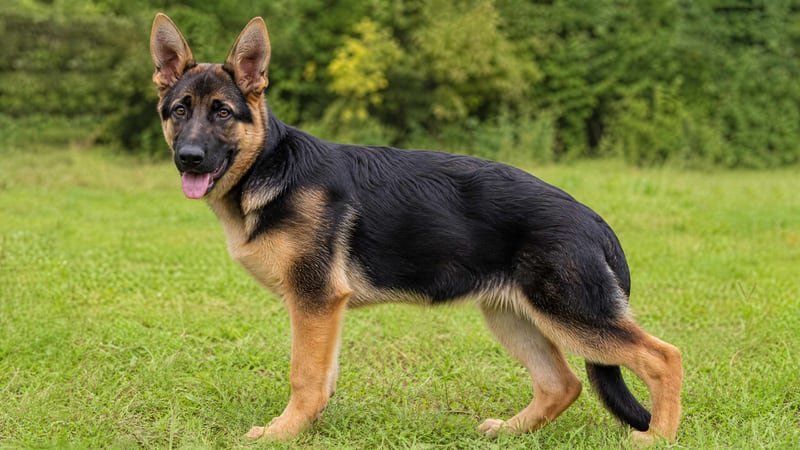
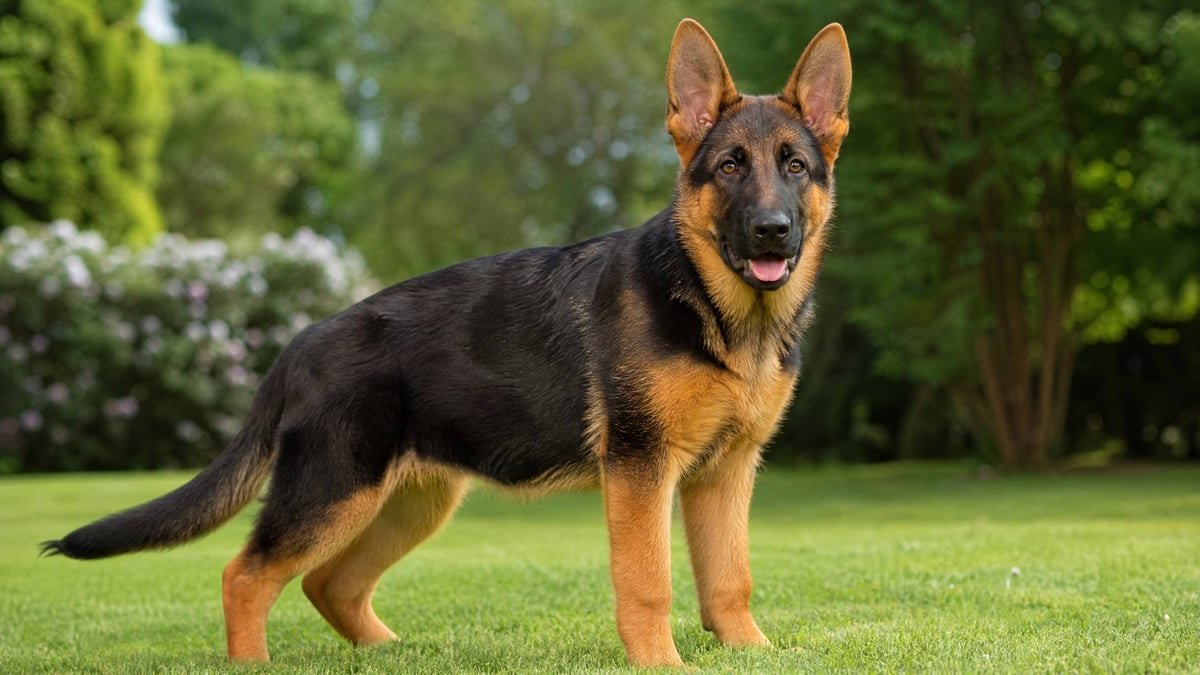
German Shepherd puppy for the German Shepherd weight chart and growth guide

Life Span

Adult range

22-40 kg

48.5-88.2 lb

Size class

Large breed

Matched size chart

Growth pace

Slower

Typical for this breed size

Check-in cadence

Weekly to monthly

Suggested rhythm

<16 w weekly | 16-32 w biweekly | 32 w+ monthly

German Shepherd Weight Chart by Age

German Shepherds typically double their birth weight within the first two weeks, then continue growing rapidly through the first six months before the pace gradually slows. Males run consistently heavier than females at every stage, and most puppies look tall and leggy before their frame and muscle mass catch up.

Use the chart below as a reference range, not a strict pass-or-fail standard. A puppy tracking just below the midpoint with good energy and steady week-over-week gains is almost always healthier than a puppy jumping between the high and low ends of the range.

AgeMale WeightFemale Weight
2 months16-20 lb (7.3-9.1 kg)11-17 lb (5-7.7 kg)
3 months22-30 lb (10-13.6 kg)17-26 lb (7.7-11.8 kg)
4 months35-40 lb (15.9-18.1 kg)31-35 lb (14.1-15.9 kg)
5 months40-49 lb (18.1-22.2 kg)35-44 lb (15.9-20 kg)
6 months49-57 lb (22.2-25.9 kg)44-49 lb (20-22.2 kg)
8 months62-66 lb (28.1-29.9 kg)53-57 lb (24-25.9 kg)
12 months71-79 lb (32.2-35.8 kg)60-64 lb (27.2-29 kg)
18 months75-85 lb (34-38.6 kg)60-70 lb (27.2-31.7 kg)
24 months (adult)66-88 lb (30-40 kg)49-71 lb (22-32 kg)

When Does a German Shepherd Stop Growing?

Most German Shepherds reach close to their adult height by 12 months, but that does not mean growth is finished.

12-18 months

Height

Largely complete by 12-14 months in females and 14-18 months in males.

18-24 months

Weight and frame

Continues filling in through 18-24 months for most dogs. Many owners notice their two-year-old looks noticeably more substantial than their one-year-old even without much change in diet or exercise.

24+ months

Muscle development

Can continue beyond two years, especially in working-line dogs kept in active conditioning programs.

18-24 months

Coat

The full adult double coat, including the thicker undercoat, often does not fully develop until 18-24 months. A thin or soft coat in a young German Shepherd is usually not a nutrition problem. It is just an immature coat.

Do not declare your German Shepherd fully grown at 12 months.

That milestone marks the end of the rapid puppy phase, not the end of maturation. The 18-month and 24-month weigh-ins often tell a more complete story.

Signs Your German Shepherd Is Growing Well

Weight charts tell you numbers. These signs tell you whether the whole puppy is on track.

Positive signs

  • Steady week-over-week weight gain in the first year, even small gains are better than flat-lining.
  • You can feel but not clearly see the ribs.
  • Visible waist tuck when viewed from above.
  • Good energy and interest in play and exploration.
  • Regular, well-formed stools.
  • Bright eyes and healthy coat for age.

Worth monitoring

  • Puppy is consistently at the very bottom of the range across multiple weigh-ins.
  • Growth appears to have stopped entirely before 10 months.
  • Weight is gaining very rapidly, more than 4-5 lb per week in the first six months.
  • Noticeable lameness or reluctance to walk, which can indicate growing-pain conditions like panosteitis, which is common in German Shepherds between 5-18 months.

What Affects a German Shepherd's Weight?

Several things can push a German Shepherd higher or lower than the midpoint on a chart.

Biology

Sex

Males are usually heavier than females at most ages.

Biology

Genetics

Adult size, frame, and growth pace all have a genetic component. Two puppies the same age can look very different and still be normal.

Line type

Working line vs show line

Working-line German Shepherds often stay leaner, while some show-line dogs finish more heavily.

Growth pace

Food intake and growth speed

Breed guidance warns that excess calories and very rapid growth can increase stress on developing joints.

Lifestyle

Activity level

A highly active young German Shepherd may stay leaner in appearance even if their weight is on target.

Why this breed needs context

German Shepherd puppy body condition snapshot for growth tracking
Steady large-breed pace<16 w weekly | 16-32 w biweekly | 32 w+ monthly

Loyal • Focused • Athletic

German Shepherd dogs are usually loyal and focused, and their larger frame is easiest to read when meals, activity, and weigh-ins stay steady.

High energy, Medium grooming

Build obedience and confidence with calm repetition and clear routines.

Best read through repeat check-ins

Lameness, awkward movement, or reluctance to exercise should not be ignored

Updated weeklyPlanning estimates onlyView sourcesEditorial policy

Keep the next step obvious

Run a live estimate

Open the homepage calculator with German Shepherd selected and compare the live result with this guide.

Open calculator

Open the matching size chart

Use the Large size chart to compare the broader checkpoint range behind this breed guide.

Open size chart

Read healthy weight basics

Review the core framework for trend tracking, body condition, and using ranges responsibly.

Open guide

German Shepherd Growth and Weight Chart

German Shepherd male & female growth chart

Male and female German Shepherds grow at different rates. Use this breed-specific chart as a month-by-month reference from 1 to 12 months.

Breed-specific monthly chart

Chart span

1-12 months

Breed-specific monthly view

Male at 12 months

34 kg

75 lb

Female at 12 months

28 kg

61.7 lb

Re-check cadence

2-4 weeks

Trend beats one weigh-in

Monthly reference 1-12 months
German Shepherd male & female growth chart Breed-specific growth chart for German Shepherd from 1 through 12 months in kg.010203040123456789101112 Male Female Age (months) Weight (kg)
Male line Female line

This breed-specific chart tracks the average monthly line for male and female German Shepherd puppies from 1-12 months. Steady progress matters more than one weigh-in.

Want a live estimate from your dog's current age and weight?

Open the homepage calculator with German Shepherd selected, add the latest weigh-in, then compare the result back against this guide.

How to read this graph for German Shepherd

  • Use the male line for male puppies and the female line for female puppies, because German Shepherd dogs often grow at different rates through the first year.
  • Month-to-month progress matters more than one high or low weigh-in, especially during the faster early-growth months.
  • Use the live calculator after repeat weigh-ins, then compare the result back to this breed-specific chart to confirm the trend is still moving steadily.

<16 w weekly | 16-32 w biweekly | 32 w+ monthly

Re-check a German Shepherd every 2 to 3 weeks while the frame is changing quickly and routines are still settling.

Run the live estimate with this breed selected

Most useful after a fresh weigh-in, then compare the result back against this breed graph and the matching size chart.

German Shepherd Growth Stages Explained

German Shepherds grow as athletes: height, coordination, nerve, muscle, and coat maturity do not all arrive at the same time.

Early development

Puppies depend on breeder care, early handling, and stable weaning before they are ready for a structured home routine.

Foundation stage

Growth is quick and social learning is critical. Meals should be measured, and training should focus on confidence and calm handling.

Rapid frame change

Legs, ears, and coordination may look uneven. Avoid hard repetitive exercise and monitor lameness during this fast-change window.

Adolescent build

The dog may look tall but not finished. Muscle, focus, and stamina improve with consistent work, not forced weight gain.

Height settling

Many Shepherds are near adult height, but chest, back, and muscle still mature. Adult-food timing should be discussed with your vet.

Working-dog maturity

The adult frame finishes, the double coat is more complete, and conditioning becomes the main influence on appearance.

Feeding Rules Every German Shepherd Owner Should Know

Rule 1

Use large-breed growth nutrition

A large-breed puppy formula helps support controlled skeletal growth and is usually used until about 12-18 months with veterinary guidance.

Rule 2

Feed smaller scheduled meals

Puppies usually need several measured meals, while adults commonly eat two meals daily. Avoid one oversized daily meal.

Rule 3

Protect the meal-exercise window

Avoid intense exercise right before or after meals to reduce digestive stress and bloat risk in this deep-chested breed.

Rule 4

Keep the athlete lean

A German Shepherd should look fit, not bulky. Extra weight can make movement issues harder to spot and harder on joints.

Rule 5

Change diets with purpose

Transition slowly and watch stool, skin, energy, and weight before changing protein, calories, or supplements again.

Rule 6

Hydrate around training

Keep water available during active work, hikes, and warm weather, then allow calm recovery before meals.

How Much Should I Feed My German Shepherd?

German Shepherd portions should match age, adult frame, workload, and body condition. A working, training, or hiking Shepherd may need a different plan than a quieter household companion.

Lean condition - structured meals - steady work

3-4 meals early, then structured adult meals

Young puppies generally need multiple meals. Adult Shepherds usually do best with scheduled, measured meals rather than free-feeding.

Do not feed for maximum size

A lean, steadily developing Shepherd is easier on hips and elbows than a puppy pushed to look large early.

Match calories to real activity

Training days, hiking, weather, and rest days all change energy needs. Adjust slowly and confirm with body condition.

Temperament & daily fit

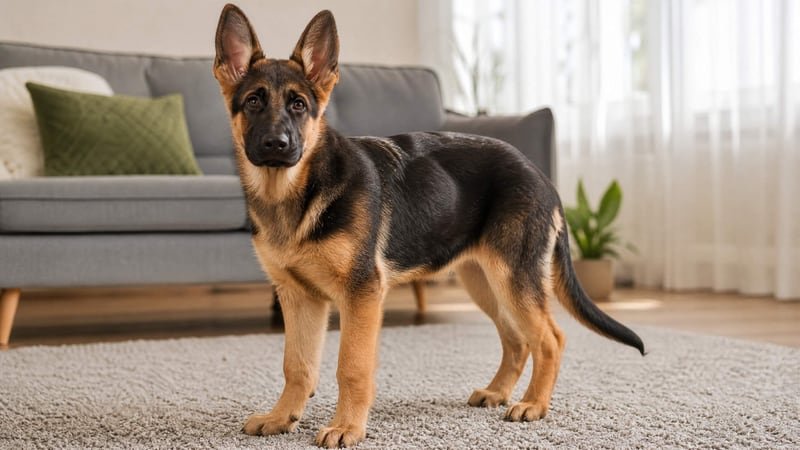
German Shepherd puppy daily life photo for healthy weight guidance
LoyalFocusedAthletic

Homes that match this breed

  • Owners who can provide daily training, exercise, and mental work
  • Homes prepared for shedding, structure, and consistent socialization
  • Families that can monitor movement and growth without pushing fast gain

What can change the trend

  • Lameness, awkward movement, or reluctance to exercise should not be ignored
  • High intelligence can turn excess energy into problem behavior without structure
  • Rapid weight gain can add stress to developing hips, elbows, and joints

Care routine

Feeding

Use measured large-breed puppy portions and avoid pushing size during the rapid growth months.

Exercise

Give daily movement and mental work, but keep puppy exercise controlled while joints and coordination develop.

Grooming

Brush frequently because the double coat sheds heavily and body checks are easier when loose coat is managed.

Training

Clear rules, socialization, and reward-based practice suit this focused breed, especially when sessions are consistent.

Warning Signs: Is Your German Shepherd Overweight or Underweight?

German Shepherds can look naturally athletic, so assess rib feel, waist, topline, muscle, and movement together.

Signs of extra weight

  • Ribs are hard to feel beneath coat and padding
  • Waist and abdominal tuck are less visible
  • Dog tires faster during normal training or walks
  • Rising from rest becomes slower or stiffer
  • Lameness, bunny-hopping, or reluctance to climb increases
  • Weight rises while training rewards or table scraps increase

Signs of too little weight

  • Ribs, spine, or hip bones are sharply visible
  • Muscle looks thin over the thighs and shoulders
  • Energy, focus, or stamina drops below normal
  • Coat looks dull despite routine grooming
  • Growth stalls before the frame has matured
  • Appetite changes, digestive upset, or repeated loose stool appears

Compare similar guides

Run the estimate with German Shepherd selected

Use live age and weight inputs, then compare the result with this breed guide and its matching size chart.

Frequently asked questions

Many adult German Shepherds fall around 49-90 lb (22-40 kg), with males usually heavier than females. Condition, movement, and frame matter more than the highest number.

A 6-month German Shepherd often lands around 44-57 lb (20-25.9 kg), with males commonly near the higher end. Use the male or female row and watch the trend.

Most are close to adult height by 12-18 months, but weight, chest, muscle, and coat can keep maturing until about 24 months.

Yes. A lean, steadily growing Shepherd is generally easier on developing joints than a puppy pushed to look big early.

They need daily activity and mental work, but puppy exercise should be controlled. Avoid repeated hard impact while joints and coordination are still developing.

Track gait, stiffness, stamina, rib feel, waist, stool quality, appetite, training rewards, and coat changes. Movement signs are especially important for this breed.

Call your vet if lameness, bunny-hopping, weakness, rapid weight gain, stalled growth, appetite changes, or digestive issues persist beyond a brief one-off episode.

Estimates only. Not veterinary advice.