Small breed

Cavalier King Charles Spaniel Weight Chart & Growth Guide

Updated weekly

Cavalier King Charles Spaniels are affectionate companions, but their small frame leaves little room for extra weight. This guide focuses on narrow adult ranges, coat-aware body checks, heart-sensitive weight habits, and gentle exercise that keeps a Cavalier comfortable.

For Cavaliers, lean condition protects comfort, stamina, and long-term heart care.

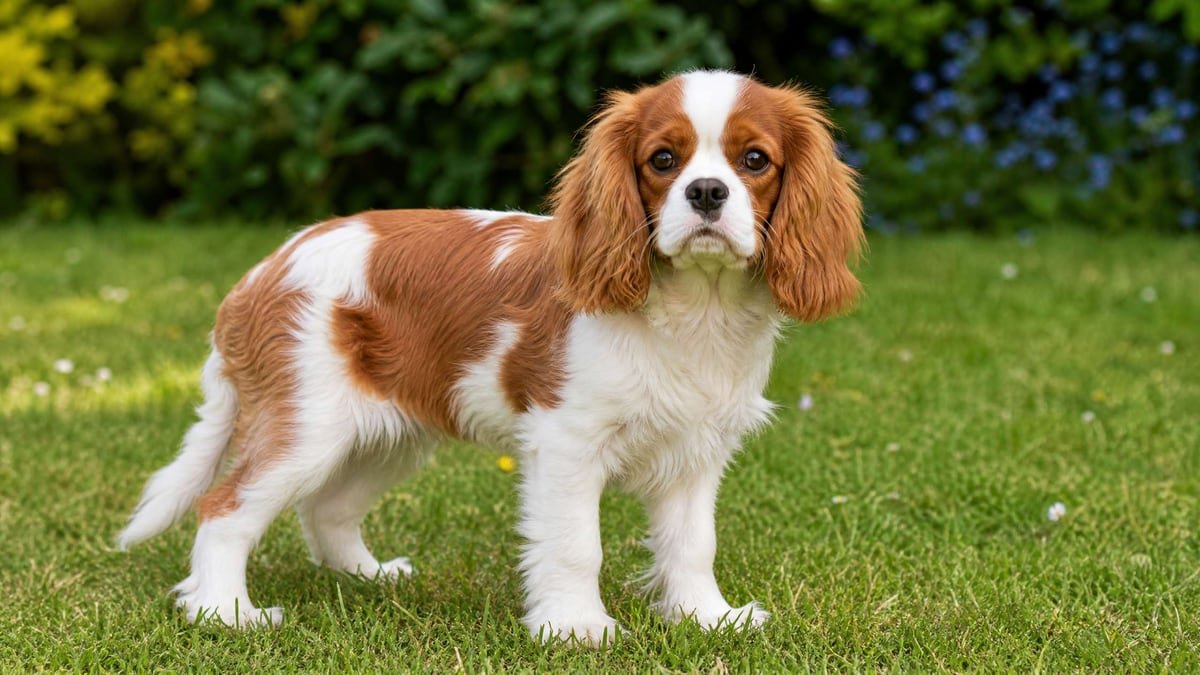
Cavalier King Charles Spaniel puppy for the Cavalier King Charles Spaniel weight chart and growth guide

Life Span

Adult range

6-8 kg

13.2-17.6 lb

Size class

Small breed

Matched size chart

Growth pace

Faster

Typical for this breed size

Check-in cadence

Weekly to monthly

Suggested rhythm

<16 w weekly | 16-32 w biweekly | 32 w+ monthly

Cavalier King Charles Spaniel Weight Chart by Age

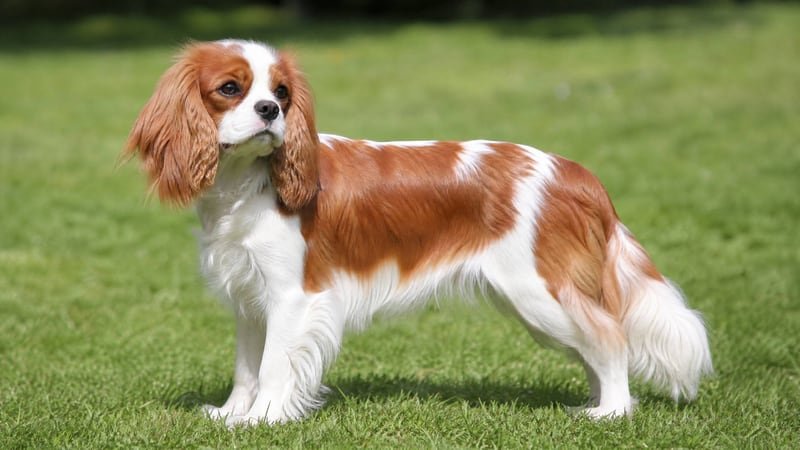
Cavaliers are small toy spaniels, and many adults fall around 13-18 lb. The healthy range is narrow, so treats and table bites can matter quickly.

Use the chart with coat-aware body checks and heart-aware stamina notes. A Cavalier should feel soft-coated but not padded.

AgeTypical RangeBody-Condition Note
2 months3-5 lb (1.4-2.3 kg)Small frequent meals
3 months5-7 lb (2.3-3.2 kg)Steady toy-spaniel growth
4 months7-10 lb (3.2-4.5 kg)Feathering starts hiding shape
5 months9-12 lb (4.1-5.4 kg)Treats begin to matter
6 months10-14 lb (4.5-6.4 kg)Check ribs under coat
8 months12-16 lb (5.4-7.3 kg)Adult outline forming
10 months13-18 lb (5.9-8.2 kg)Growth slowing
12 months13-18 lb (5.9-8.2 kg)Adult range for many dogs
18 months13-18 lb (5.9-8.2 kg)Maintain lean comfort

When Does a Cavalier King Charles Spaniel Stop Growing?

Cavaliers mature faster than large breeds, but their adult condition, coat, stamina, and heart monitoring remain lifelong priorities.

4-6 months

Fast puppy growth

The puppy gains quickly and learns brushing, ear handling, and meal routines.

6-10 months

Adult outline appears

Many Cavaliers look close to adult size while condition and coat are still settling.

10-12 months

Weight stabilizes

Growth slows, and treat discipline becomes the main weight-control lever.

Adult years

Heart-aware maintenance

Lean weight supports stamina and is especially important in a breed known for mitral valve disease risk.

Small gains are meaningful.

A Cavalier does not have much extra room between healthy companion weight and condition that burdens stamina.

Signs Your Cavalier King Charles Spaniel Is Growing Well

A healthy Cavalier trend shows gentle steady growth, comfortable movement, good appetite, clean ears, and normal stamina for short walks and play.

Positive signs

  • Ribs are easy to feel under the soft coat.
  • Waist is findable behind the ribcage.
  • Puppy enjoys walks and play with normal recovery.
  • Ears smell clean and feathering is brushed free of mats.
  • Appetite and stool stay steady.
  • Treats remain tiny and counted.

Worth monitoring

  • Coughing, tiring quickly, or breathing changes appear.
  • Ribs become hard to feel under feathering.
  • Skipping, limping, or reluctance to walk appears.
  • Neck or back sensitivity, yelping, or scratching at the air appears.
  • Bad breath, ear odor, or appetite changes affect routine.

Do not dismiss easy fatigue.

For Cavaliers, stamina, cough, and breathing changes should be discussed with a veterinarian, not treated only as a weight issue.

What Affects a Cavalier King Charles Spaniel's Weight?

Cavalier weight is shaped by frame, coat, treat habits, heart comfort, dental comfort, ear health, and daily walking.

Range

Narrow adult target

Many Cavaliers fit a small 13-18 lb adult window, so small extras can matter.

Heart

Mitral valve disease risk

Lean weight helps reduce extra burden on stamina and comfort in a breed with notable heart risk.

Coat

Feathering hides change

Brush ears, chest, legs, and tail, then feel ribs and waist by hand.

Food

Companion snacking

Cavaliers love being close to people, so table bites can become routine unless the household agrees on limits.

Comfort

Knees, teeth, ears, and neck

Pain or discomfort can change appetite, walking, and weight trends.

Why this breed needs context

Cavalier King Charles Spaniel puppy body condition snapshot for growth tracking
Faster early settling<16 w weekly | 16-32 w biweekly | 32 w+ monthly

Gentle • Affectionate • Adaptable

Cavalier King Charles Spaniel dogs are usually gentle and affectionate, and their compact frame makes measured meals and repeat check-ins especially useful.

Medium energy, Medium grooming

Use calm routines, light rewards, and regular handling to support steady growth.

Best read through repeat check-ins

Small frames can gain quickly from table bites or training rewards

Updated weeklyPlanning estimates onlyView sourcesEditorial policy

Keep the next step obvious

Run a live estimate

Open the homepage calculator with Cavalier King Charles Spaniel selected and compare the live result with this guide.

Open calculator

Open the matching size chart

Use the Small size chart to compare the broader checkpoint range behind this breed guide.

Open size chart

Read healthy weight basics

Review the core framework for trend tracking, body condition, and using ranges responsibly.

Open guide

Cavalier King Charles Spaniel Growth and Weight Chart

Cavalier King Charles Spaniel growth chart

Use this narrow small-breed line as a Cavalier puppy reference.

Breed-specific monthly chart

Chart span

1-12 months

Breed-specific monthly view

Male at 12 months

-- kg

-- lb

Female at 12 months

-- kg

-- lb

Re-check cadence

1-2 weeks early

Trend beats one weigh-in

Monthly reference 1-12 months
Cavalier King Charles Spaniel growth chart Breed-specific growth chart for Cavalier King Charles Spaniel from 1 through 12 months in kg.0123456789123456789101112 Upper frame Lower frame Age (months) Weight (kg)
Male line Female line

This breed-specific chart tracks the average monthly line for male and female Cavalier King Charles Spaniel puppies from 1-12 months. Small changes matter in this weight range.

Want a live estimate from your dog's current age and weight?

Open the homepage calculator with Cavalier King Charles Spaniel selected, add the latest weigh-in, then compare the result back against this guide.

How to read this graph for Cavalier King Charles Spaniel

  • Use the male line for male puppies and the female line for female puppies, because Cavalier King Charles Spaniel dogs often grow at different rates through the first year.
  • Month-to-month progress matters more than one high or low weigh-in, especially during the faster early-growth months.
  • Use the live calculator after repeat weigh-ins, then compare the result back to this breed-specific chart to confirm the trend is still moving steadily.

<16 w weekly | 16-32 w biweekly | 32 w+ monthly

Re-check a Cavalier every 2 to 4 weeks during growth, then monthly once adult weight and meal routine are stable.

Run the live estimate with this breed selected

Most useful after a fresh weigh-in, then compare the result back against this breed graph and the matching size chart.

Cavalier King Charles Spaniel Growth Stages Explained

Cavalier growth is companion-focused: feeding, brushing, ears, teeth, social confidence, and gentle walking all mature together.

Early breeder care

Puppies depend on stable weaning, handling, and early health records before coming home.

Home foundation

Start measured meals, brushing, ear handling, crate rest, and gentle socialization.

Fast small-dog growth

Weight rises quickly and feathering develops. Keep treats tiny and planned.

Adult outline

The body is close to adult shape for many Cavaliers, but stamina and coat routine still settle.

Weight stabilizing

Growth slows, and adult meal habits become more important.

Companion maintenance

Adult care centers on lean meals, daily walks, brushing, ears, dental care, and heart monitoring.

Feeding Rules Every Cavalier King Charles Spaniel Owner Should Know

Rule 1

Measure small meals

Cavaliers have a narrow range, so meals should be consistent and not topped with table bites.

Rule 2

Keep treats tiny

Use crumbs, meal kibble, praise, or play so training does not become a calorie source.

Rule 3

Use life-stage food

Puppies need growth nutrition, then adult food once maturity and your vet's guidance align.

Rule 4

Support gentle walks

Fresh water and regular comfortable walks help maintain condition.

Rule 5

Change food gradually

Watch stool, appetite, ears, skin, and body condition during diet changes.

Rule 6

Watch stamina after meals

Keep activity gentle and note coughing, fatigue, or breathing changes.

How Much Should I Feed My Cavalier King Charles Spaniel?

Cavalier portions depend on adult target, food calories, body condition under the coat, daily walks, and vet guidance.

Measured meals - tiny treats - heart-aware condition

Frequent puppy meals, two adult meals

Young puppies often need several meals. Many adults do well with two measured meals daily.

No casual table bites

One small bite may be a meaningful calorie load for a Cavalier.

Lean supports stamina

Healthy weight cannot prevent every heart problem, but it can reduce unnecessary workload on the body.

Temperament & daily fit

Cavalier King Charles Spaniel puppy daily life photo for healthy weight guidance
GentleAffectionateAdaptable

Homes that match this breed

  • Homes wanting a gentle companion that still enjoys daily walks
  • Owners who can brush feathering and keep ears clean
  • Families willing to keep treats small and monitor heart-related stamina

What can change the trend

  • Small frames can gain quickly from table bites or training rewards
  • Mitral valve disease risk makes lean condition especially important
  • Soft coat and feathering can hide rib and waist changes

Care routine

Feeding

Use measured small-breed meals and keep treats tiny because the adult range is narrow.

Exercise

Daily gentle walks and play support condition; watch stamina and breathing comfort.

Grooming

Brush ears, chest, legs, and tail feathering often and use grooming time for body checks.

Training

Use gentle, reward-light sessions because Cavaliers often respond to praise and closeness.

Warning Signs: Is Your Cavalier King Charles Spaniel Overweight or Underweight?

Cavaliers need coat-aware checks and stamina-aware monitoring because soft feathering can hide body-condition changes.

Signs of extra weight

  • Ribs are hard to feel under the coat
  • Waist disappears behind the ribcage
  • Dog tires sooner on normal walks
  • Coughing or breathing effort appears with activity
  • Feathering mats more around padded areas
  • Table bites or frequent treats have become routine

Signs of too little weight

  • Ribs, spine, or hip points feel sharp under the coat
  • Muscle looks thin over thighs or shoulders
  • Energy drops below normal companion activity
  • Coat quality declines or appetite changes
  • Weight stalls before adult size
  • Dental pain or digestive upset affects meals

Compare similar guides

Run the estimate with Cavalier King Charles Spaniel selected

Use live age and weight inputs, then compare the result with this breed guide and its matching size chart.

Frequently asked questions

Many Cavaliers fall around 13-18 lb (6-8 kg). Because the range is narrow, body condition and vet guidance are important.

Many 6-month Cavaliers are around 10-14 lb (4.5-6.4 kg), depending on frame and growth pace.

Many Cavaliers are close to adult size by 10-12 months, then continue settling into adult coat and condition.

Lean condition supports stamina and reduces extra workload on the body, which matters in a breed known for heart disease risk.

Most do well with daily gentle walks and play, adjusted for stamina, weather, and veterinary advice.

Track ribs, waist, stamina, cough, breathing, ears, coat mats, teeth, appetite, stool, and treat calories.

Call your vet for coughing, tiring easily, breathing changes, rapid gain, appetite changes, lameness, or neck/back pain signs.

Estimates only. Not veterinary advice.