Large breed

Standard Poodle Weight Chart & Growth Guide

Updated weekly

Standard Poodles are elegant, athletic, and highly trainable, but their curls can hide body condition and their deep chest makes feeding rhythm important. This guide focuses on lean large-dog growth, activity-matched portions, coat care, and warning signs that matter for an energetic Poodle.

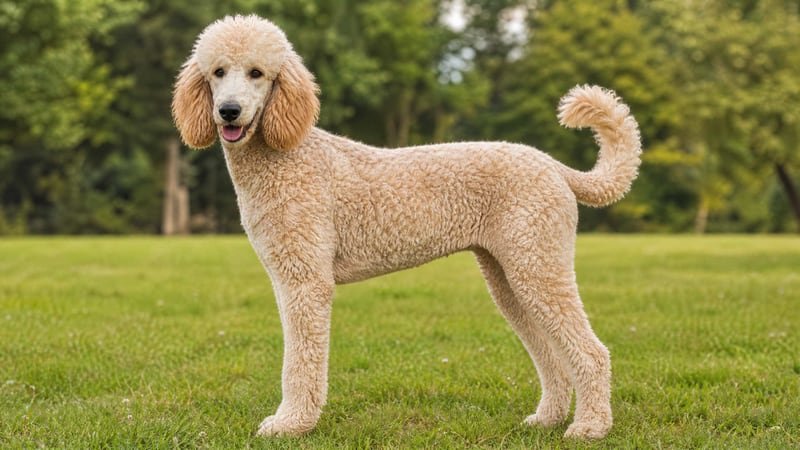
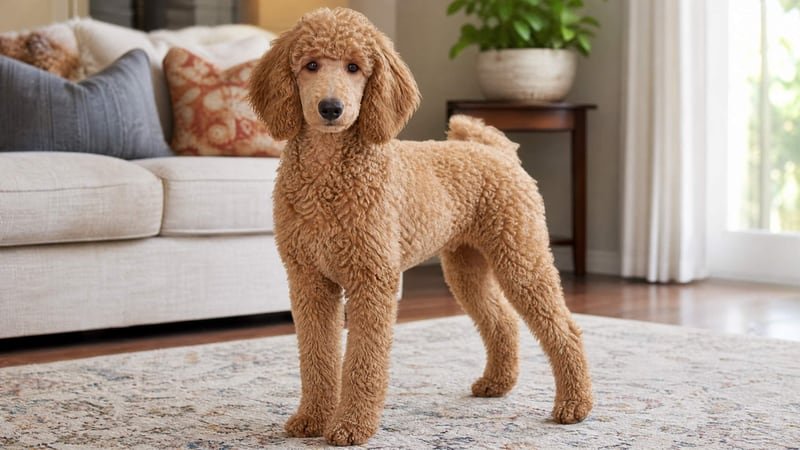
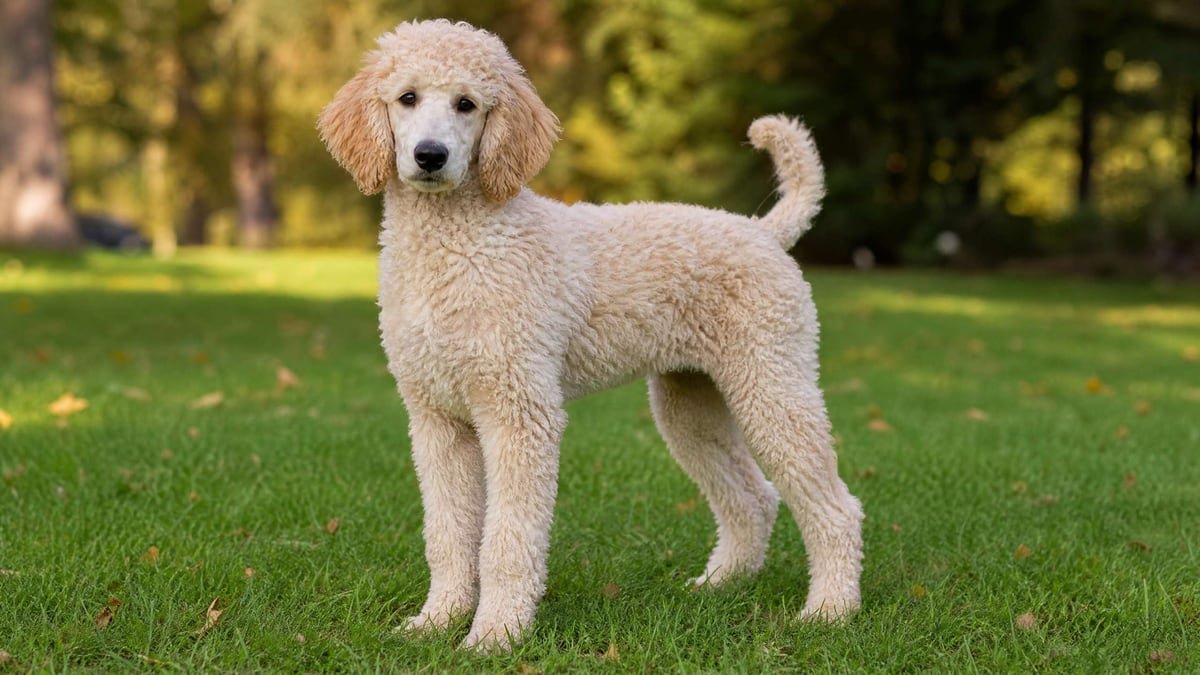
A Standard Poodle should feel athletic under the coat, with ribs easy to find and a clear waist.

Standard Poodle puppy for the Standard Poodle weight chart and growth guide

Life Span

Adult range

20-32 kg

44.1-70.5 lb

Size class

Large breed

Matched size chart

Growth pace

Slower

Typical for this breed size

Check-in cadence

Weekly to monthly

Suggested rhythm

<16 w weekly | 16-32 w biweekly | 32 w+ monthly

Standard Poodle Weight Chart by Age

Standard Poodles are the largest Poodle variety, and many adults fall around 40-70 lb depending on sex, frame, and conditioning. They should stay lean enough that ribs are easy to feel under the coat.

Use this chart as a reference for steady large-breed growth. A Standard Poodle pushed to look bulky early is not healthier than one growing gradually with good muscle and movement.

AgeMale WeightFemale Weight
2 months10-15 lb (4.5-6.8 kg)8-13 lb (3.6-5.9 kg)
3 months15-25 lb (6.8-11.3 kg)12-22 lb (5.4-10 kg)
4 months22-35 lb (10-15.9 kg)18-30 lb (8.2-13.6 kg)
5 months28-43 lb (12.7-19.5 kg)24-38 lb (10.9-17.2 kg)
6 months35-50 lb (15.9-22.7 kg)30-45 lb (13.6-20.4 kg)
8 months45-60 lb (20.4-27.2 kg)38-52 lb (17.2-23.6 kg)
10 months50-66 lb (22.7-29.9 kg)42-58 lb (19.1-26.3 kg)
12 months55-70 lb (24.9-31.8 kg)45-62 lb (20.4-28.1 kg)
18 months55-70 lb (24.9-31.8 kg)45-65 lb (20.4-29.5 kg)

When Does a Standard Poodle Stop Growing?

Standard Poodles mature more slowly than the smaller Poodle varieties, with height, muscle, coat, and athletic condition settling over different windows.

8-12 months

Height approaches adult size

Many puppies look tall and leggy before chest, muscle, and coordination catch up.

12-18 months

Frame fills in

The body becomes more balanced, but calories should still support lean condition rather than extra bulk.

18-24 months

Athletic maturity

Muscle, stamina, and coat care routine settle with regular exercise, grooming, and training.

Adult years

Workload shapes weight

A hiking, swimming, or sport Poodle may carry different muscle than a calmer family companion.

Let the Standard Poodle mature as an athlete.

The right adult weight is lean, capable, and comfortable, not the highest number the breed can reach.

Signs Your Standard Poodle Is Growing Well

A healthy Standard Poodle trend should show steady weight gain, easy movement, good energy, clean skin, and a coat routine that does not hide problems.

Positive signs

  • Ribs are easy to feel through the coat without being sharp.
  • Waist and tuck are present when the coat is parted or felt.
  • Puppy recovers normally after age-appropriate walks, swimming, or training.
  • Coat is brushed free of mats and skin looks calm.
  • Ears stay clean after baths or water play.
  • Weight gain slows naturally as height begins to settle.

Worth monitoring

  • Rapid gain appears while exercise has dropped.
  • Ribs are difficult to feel after the coat is parted.
  • Limping, bunny-hopping, stiffness, or trouble rising appears.
  • Pacing, drooling, a swollen belly, or retching without vomit appears.
  • Skin redness, itching, ear odor, or recurring infections continue.

Know the bloat warning signs.

A swollen belly, restlessness, drooling, or unproductive retching is an emergency for deep-chested dogs, not a normal feeding issue.

What Affects a Standard Poodle's Weight?

Standard Poodle weight depends on sex, height, athletic workload, coat care, meal timing, and health comfort.

Frame

Height and sex

Males often finish heavier, and taller Standards naturally carry more weight than smaller-frame dogs.

Condition

Lean body type

Standard Poodles should feel athletic under the coat. Too much gain can add stress to hips and joints.

Coat

Grooming changes the outline

A long coat can hide padding, while a fresh clip can make the same dog appear suddenly thinner.

Activity

Sport and enrichment load

Swimming, hiking, agility, and long walks can change calorie needs compared with quiet weeks.

Feeding rhythm

Fast eating and deep chest

Meal size, speed, and exercise timing matter because Standard Poodles are deep-chested dogs.

Why this breed needs context

Standard Poodle puppy body condition snapshot for growth tracking
Steady large-breed pace<16 w weekly | 16-32 w biweekly | 32 w+ monthly

Athletic • Intelligent • People-focused

Standard Poodle dogs are usually athletic and intelligent, and their larger frame is easiest to read when meals, activity, and weigh-ins stay steady.

High energy, High grooming

Pair regular exercise with structured training and coat-care routines.

Best read through repeat check-ins

Curly coat can hide extra weight, thinness, skin issues, and mats

Updated weeklyPlanning estimates onlyView sourcesEditorial policy

Keep the next step obvious

Run a live estimate

Open the homepage calculator with Standard Poodle selected and compare the live result with this guide.

Open calculator

Open the matching size chart

Use the Large size chart to compare the broader checkpoint range behind this breed guide.

Open size chart

Read healthy weight basics

Review the core framework for trend tracking, body condition, and using ranges responsibly.

Open guide

Standard Poodle Growth and Weight Chart

Standard Poodle male & female growth chart

Male and female Standard Poodle dogs grow at different rates through the first year.

Breed-specific monthly chart

Chart span

1-12 months

Breed-specific monthly view

Male at 12 months

30.6 kg

67.5 lb

Female at 12 months

21.6 kg

47.5 lb

Re-check cadence

2-4 weeks

Trend beats one weigh-in

Monthly reference 1-12 months
Standard Poodle male & female growth chart Breed-specific growth chart for Standard Poodle from 1 through 12 months in kg.010203040123456789101112 Male Female Age (months) Weight (kg)
Male line Female line

This breed-specific chart tracks the average monthly line for male and female Standard Poodle puppies from 1-12 months. Steady progress matters more than one weigh-in.

Want a live estimate from your dog's current age and weight?

Open the homepage calculator with Standard Poodle selected, add the latest weigh-in, then compare the result back against this guide.

How to read this graph for Standard Poodle

  • Use the male line for male puppies and the female line for female puppies, because Standard Poodle dogs often grow at different rates through the first year.
  • Month-to-month progress matters more than one high or low weigh-in, especially during the faster early-growth months.
  • Use the live calculator after repeat weigh-ins, then compare the result back to this breed-specific chart to confirm the trend is still moving steadily.

<16 w weekly | 16-32 w biweekly | 32 w+ monthly

Re-check a Standard Poodle every 2 to 3 weeks during active growth, then monthly once exercise, food, and adult condition are stable.

Run the live estimate with this breed selected

Most useful after a fresh weigh-in, then compare the result back against this breed graph and the matching size chart.

Standard Poodle Growth Stages Explained

Standard Poodles grow like lean athletes: height arrives first, then coordination, muscle, and adult coat routine.

Early breeder care

Puppies depend on stable weaning, social handling, and early grooming exposure before coming home.

Foundation and grooming practice

Growth is quick. Start calm brushing, table handling, socialization, and measured meals.

Leggy growth

The puppy may look tall and awkward. Use steady exercise and training rather than hard repetitive impact.

Adolescent athlete

Energy rises and frame fills slowly. Keep the dog lean while outlets for brain and body increase.

Frame and food transition

Adult-food timing depends on growth and your vet's advice. Watch for softening under the coat.

Conditioned adult

Adult care centers on workload-matched calories, coat care, ear checks, and steady training.

Feeding Rules Every Standard Poodle Owner Should Know

Rule 1

Feed scheduled meals

Use measured meals instead of free-feeding so activity and body condition can guide adjustments.

Rule 2

Protect the meal-exercise window

Avoid hard exercise for about an hour before and after meals because Standard Poodles are deep-chested.

Rule 3

Keep the athlete lean

Extra weight can make hip, joint, and activity issues harder on the dog.

Rule 4

Match food to size and workload

Use appropriate puppy or adult food and review calories if the dog is doing hours of activity.

Rule 5

Dry ears after water

Swimming can be excellent exercise, but ears and coat should be dried and checked afterward.

Rule 6

Change food slowly

Transition diets gradually and watch stool, skin, appetite, energy, and ear comfort.

How Much Should I Feed My Standard Poodle?

Standard Poodle portions depend on age, adult frame, activity, food calories, and body condition under the coat.

Lean condition - workload matched - deep-chest aware

Frequent puppy meals, structured adult meals

Young puppies usually need several meals. Adults often do well with two measured meals, or smaller meals if advised.

Match food to real work

A dog doing swimming, hiking, or sport training may need a different plan than a quiet week at home.

Slow eating and calm windows

Use a slow feeder when needed and avoid intense activity close to meals.

Temperament & daily fit

Standard Poodle puppy daily life photo for healthy weight guidance
AthleticIntelligentPeople-focused

Homes that match this breed

  • Active owners who enjoy training, hiking, swimming, or dog sports
  • Homes prepared for daily brushing or regular professional grooming
  • Families that can keep a smart large dog mentally engaged

What can change the trend

  • Curly coat can hide extra weight, thinness, skin issues, and mats
  • Deep chest means meal timing and fast eating deserve attention
  • Missed exercise or boredom can shift behavior and body condition

Care routine

Feeding

Match calories to real workload and keep the dog lean rather than bulky.

Exercise

Use daily physical exercise plus mental challenges; a bored Standard Poodle can become restless.

Grooming

Brush and trim consistently so mats do not hide skin or body-condition changes.

Training

Advanced cues, scent games, swimming, and sport-style tasks suit this responsive breed.

Warning Signs: Is Your Standard Poodle Overweight or Underweight?

Standard Poodles should be checked by hand because coat volume can hide shape, muscle, and skin condition.

Signs of extra weight

  • Ribs are hard to feel beneath coat and padding
  • Waist and tuck disappear when coat is parted
  • Dog tires faster during normal activity
  • Stiffness, limping, or trouble rising appears
  • Coat mats form more around padded friction areas
  • Exercise drops but portions stay the same

Signs of too little weight

  • Ribs, spine, or hip points feel sharp after grooming
  • Muscle looks thin over shoulders or thighs
  • Energy drops below normal for activity level
  • Coat quality or skin condition declines
  • Weight stalls before the frame matures
  • Appetite or stool changes persist

Compare similar guides

Run the estimate with Standard Poodle selected

Use live age and weight inputs, then compare the result with this breed guide and its matching size chart.

Frequently asked questions

Many adult Standard Poodles fall around 40-70 lb (18-32 kg), with frame, sex, and athletic conditioning creating normal variation.

Many 6-month Standard Poodles are around 30-50 lb (13.6-22.7 kg), with males often heavier than females. Use body condition and movement with the chart.

Many reach most height by 12 months, then continue filling out, conditioning, and maturing through about 18-24 months.

They are athletic dogs, and extra weight can increase stress on hips, joints, stamina, and overall comfort.

Avoid hard activity close to meals, use measured portions, and consider a slow feeder for dogs that gulp food.

Track rib feel, waist, coat length, grooming schedule, skin, ears, activity level, meal timing, appetite, stool, and movement.

Call your vet for bloat signs, lameness, rapid gain, stalled growth, seizures, appetite changes, or repeated skin or ear problems.

Estimates only. Not veterinary advice.