Adult range
Males are 42-60 lb; females are 35-50 lb
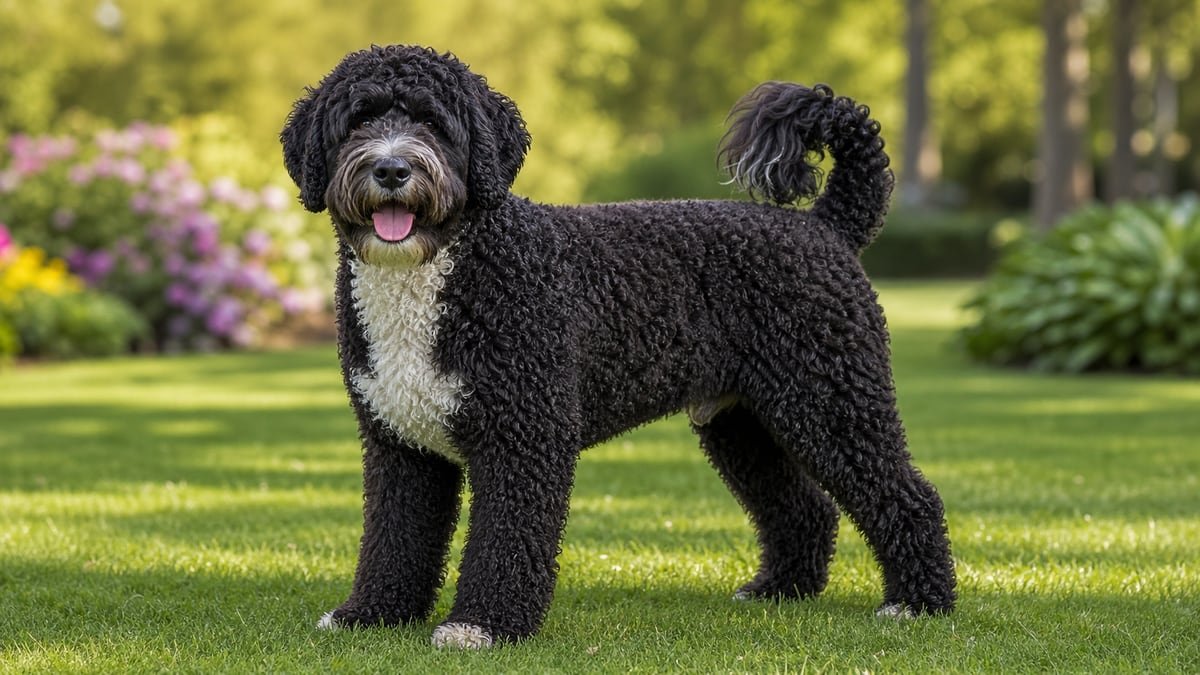
The official standard lists males at 20-23 inches and 42-60 lb, and females at 17-21 inches and 35-50 lb. A healthy adult should feel sturdy, muscular, and athletic under the coat.

Calculators
Browse
Learn
Company & trust
Estimates only. Not veterinary advice.
Portuguese Water Dogs grow into sturdy, athletic companions with coat and muscle that can hide body-condition changes. This guide reads the chart through working-dog energy, swimming and recovery, grooming rhythm, meal control, and the difference between healthy muscle and extra padding.
A Portuguese Water Dog should feel sturdy and athletic under the coat, not soft or hidden by curls.
Overview
Adult range
16-27 kg
35.3-59.5 lb
Size class
Medium breed
Matched size chart
Growth pace
Moderate
Typical for this breed size
Check-in cadence
Weekly to monthly
Suggested rhythm
<16 w weekly | 16-32 w biweekly | 32 w+ monthly
Quick answers
Use these answers when you need the practical version first. The right Portuguese Water Dog weight is not just the scale number; it is the number plus ribs, waist, muscle, coat, water activity, and recovery.
Adult range
The official standard lists males at 20-23 inches and 42-60 lb, and females at 17-21 inches and 35-50 lb. A healthy adult should feel sturdy, muscular, and athletic under the coat.
Growth timing
Many Portuguese Water Dogs have most of their height by the end of the first year, then finish muscle, chest, coat, and working condition through about 18-24 months.
Best check
Curly or wavy coat can hide extra padding or weight loss. Check ribs, waist, abdomen, shoulder muscle, loin, and tail base by hand, especially before and after grooming.
Activity note
Hard water play, training, and long active weeks may increase food needs. The goal is still a fit water-working dog with stamina and a findable waist, not a soft body hidden by coat.
Weight by age
Portuguese Water Dog puppies grow into sturdy, muscular, medium-sized working dogs with enough strength and stamina for water work. The healthiest trend is steady gain without losing rib feel, waist shape, comfortable movement, or normal recovery after activity.
Use this chart as owner planning context, not a diagnosis. The official adult ranges are 42-60 lb for males and 35-50 lb for females, but sex, height, frame, family line, coat, swimming, training rewards, body condition, health history, and veterinary guidance decide the healthy target for an individual dog.
| Age | Male / Larger Frame | Female / Smaller Frame |
|---|---|---|
| 8 weeks | 9-13 lb (4.1-5.9 kg) | 8-11 lb (3.6-5 kg) |
| 3 months | 15-22 lb (6.8-10 kg) | 13-18 lb (5.9-8.2 kg) |
| 4 months | 22-32 lb (10-14.5 kg) | 18-26 lb (8.2-11.8 kg) |
| 5 months | 28-40 lb (12.7-18.1 kg) | 23-33 lb (10.4-15 kg) |
| 6 months | 34-46 lb (15.4-20.9 kg) | 28-38 lb (12.7-17.2 kg) |
| 8 months | 40-54 lb (18.1-24.5 kg) | 32-44 lb (14.5-20 kg) |
| 10 months | 43-59 lb (19.5-26.8 kg) | 35-49 lb (15.9-22.2 kg) |
| 12 months | 42-60 lb (19.1-27.2 kg) | 35-50 lb (15.9-22.7 kg) |
| 15 months | 43-60 lb (19.5-27.2 kg) | 35-50 lb (15.9-22.7 kg) |
| 18 months | 42-60 lb (19.1-27.2 kg) | 35-50 lb (15.9-22.7 kg) |
| 24 months | 42-60 lb (19.1-27.2 kg) | 35-50 lb (15.9-22.7 kg) |
Maturity
Portuguese Water Dogs often look close to adult size before they are fully finished. Height, coat, chest, muscle, confidence, and working stamina do not all mature at the same time.
This is a high-change window. Weigh every few weeks, measure meals, count training rewards, and watch stool, appetite, leg comfort, and coordination while size rises quickly.
Many puppies look leggy, busy, and hungry at this stage. Do not add food just because the dog acts energetic; check ribs, waist, muscle, and recovery after play.
Height may be close to adult size, but the dog can still be changing in chest, loin, shoulders, coat, and athletic coordination. Keep body condition ahead of the scale number.
Many Portuguese Water Dogs finish muscle and working condition through the second year. The correct finish is sturdy and athletic, not bulky or hidden under extra coat.
Key takeaway
A Portuguese Water Dog can be near adult height by about 12-15 months, then continue filling in through 18-24 months. Use body condition and movement to decide whether that fill-out is healthy muscle.
Growth check
A good Portuguese Water Dog trend is steady, athletic, and comfortable. Use your hands because curls, waves, grooming style, and wet coat can all change the visual outline.
Owner check
Re-check ribs, waist, and muscle after a haircut and again when the coat is longer. A fresh clip can make a dog look thinner, while a long coat can hide extra padding.
Weight factors
Most Portuguese Water Dog weight questions come from a few real-life variables: sex, height, coat, activity, training food, and health comfort. These matter more than chasing a single average.
Males are listed at 20-23 inches and 42-60 lb, while females are 17-21 inches and 35-50 lb. A 50 lb female may be large but fine for her frame; a 50 lb male may still be lighter-framed or young.
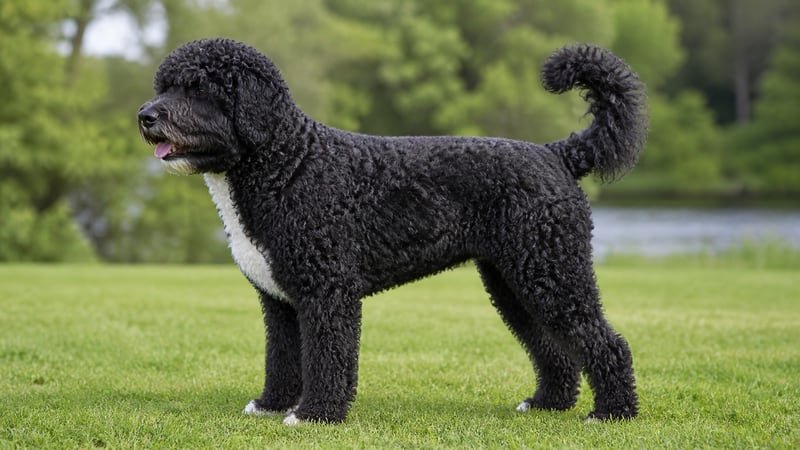
The standard describes strong bone, solid muscle, a broad deep chest, and a body slightly longer than tall. Healthy substance should feel athletic and useful, not soft or exaggerated.
A long curly coat can hide ribs and waist, while a shorter retriever clip can reveal shape suddenly. Always combine the scale with hand checks.
Water play, dock work, long hikes, and training weeks can burn more energy. Rest weeks, hot weather, ear discomfort, or skin irritation can lower output just as quickly.
Portuguese Water Dogs are smart and trainable, so owners often use many rewards. Frequent treats should come from the daily food budget when possible.
Breed health guidance emphasizes hips, eyes, and several genetic tests in breeding decisions. For an owner, the practical takeaway is to take lameness, poor vision signs, exercise intolerance, and stalled growth seriously.
Breed snapshot
Temperament profile
Portuguese Water Dog dogs are usually energetic and water-loving, and steady routines make their growth trend easier to read over time.
Daily rhythm
Use structured training, water-safe outlets, and measured rewards for a busy working mind.
Weight-tracking note
Coat can hide weight gain or loss
Use this page with
Calculator
Open the homepage calculator with Portuguese Water Dog selected and compare the live result with this guide.
Open calculatorSize chart
Use the Medium size chart to compare the broader checkpoint range behind this breed guide.
Open size chartGuide
Review the core framework for trend tracking, body condition, and using ranges responsibly.
Open guideAge calculator
Use Portuguese Water Dog's usual adult-size band to compare dog age with human years.
Calculate ageRelated guides
Age guide
Compare Portuguese Water Dog checkpoints with month-by-month puppy growth context before reading the breed graph.
Open age guideCondition
Use rib, waist, and tuck checks to decide whether Portuguese Water Dog's number looks healthy in real life.
Open condition guideMaturity
Compare Medium growth timing with the point when height, muscle, and fill-out usually slow.
Open timing guideHealthy range
Use trend tracking and routine notes to keep Portuguese Water Dog's estimate grounded.
Open basicsGrowth
Growth graph
Portuguese Water Dogs are robust medium working dogs, so this chart is anchored to the official male range of 42-60 lb and female range of 35-50 lb, then interpreted through frame, muscle, coat, swimming workload, ribs, waist, and recovery.
Chart span
2-24 months
Breed-specific monthly view
Male at 24 months
27 kg
59.5 lb
Female at 24 months
23 kg
50.7 lb
Re-check cadence
2-3 weeks
Trend beats one weigh-in
This breed-specific chart tracks the average monthly line for male and female Portuguese Water Dog puppies from 2-24 months. Use the line as a planning reference. A healthy Portuguese Water Dog trend still depends on sex, height, family line, coat and clip, food calories, training rewards, swimming, stool, appetite, ear and skin comfort, body condition, and veterinary exams.
Calculator bridge
Open the homepage calculator with Portuguese Water Dog selected, add the latest weigh-in, then compare the result back against this guide.
What this means
When to re-check
Re-check a Portuguese Water Dog every 2 to 4 weeks during growth, and sooner after food, grooming, swimming, or activity changes.
Next action
Most useful after a fresh weigh-in, then compare the result back against this breed graph and the matching size chart.
Stages
These stages help owners separate normal medium working-dog development from weight, coat, feeding, activity, or health concerns.
8-12 weeks
Record starting weight, food brand, meal amount, stool quality, appetite, breeder notes, coat type, ear care routine, activity, and early vet findings.
3-5 months
Use measured meals, tiny training rewards, predictable rest, gentle activity, and frequent weigh-ins while legs, appetite, and coordination change quickly.
5-8 months
Energy can be high and reward use can climb. Track ribs, waist, training food, swimming, coat length, ear comfort, stool, and post-exercise recovery.
8-12 months
The dog may look nearly grown, but muscle, chest, and coat are still changing. Do not use adult weight alone to decide portions.
12-24 months
Final condition should be sturdy, muscular, and athletic. Adjust food around real workload, body condition, and veterinary guidance.
Feeding rules
Feed a complete and balanced puppy food appropriate for your dog's age and expected adult size unless your veterinarian recommends a different plan.
The coat can hide body changes, so measured meals make trends easier to interpret. Adjust from weight, ribs, waist, stool, appetite, activity, and vet advice.
Smart working dogs often earn many rewards. Use part of the daily ration for training, or keep treats tiny enough that they do not erase the waist.
Swimming, long walks, and training days can increase needs, while rest weeks and sore ears or skin can lower them. Change portions gradually.
A fluffy or freshly groomed outline is not a weight target. Feed for body condition, muscle, energy, stool, and recovery.
Sudden food switches can blur the chart with diarrhea, appetite changes, or water-weight swings. Transition gradually and call your vet if symptoms persist.
Feeding
The exact amount depends on calories per cup, age, sex, expected adult size, coat, body condition, swimming, training rewards, stool quality, appetite, and your veterinarian's advice. For this breed, the routine should protect stamina without hiding extra padding under curls.
Puppy
Record food, meal size, weight, stool, appetite, coat changes, ear comfort, skin comfort, and activity. Small routine notes make the chart more useful.
Adolescent
Training and energy rise together. Count treats, use meals as rewards when practical, and watch that a busy week does not become permanent overfeeding.
Adult
An adult Portuguese Water Dog should feel strong and athletic. Adjust portions around workload, rest weeks, grooming state, and body condition.
Water activity
A fit dog should recover well after appropriate swimming or play. Excess fatigue, stiffness, ear trouble, or skin irritation means the routine needs review.
Senior
Older dogs may lose muscle or move less before the scale tells the full story. Ask your veterinarian before starting a major weight-loss plan.
Vet review
Rapid gain, weight loss, poor appetite, vomiting, diarrhea, lameness, skin infection signs, ear odor, or exercise intolerance deserves veterinary guidance.
Daily life
Good fit for
Things to watch
Care
Match portions to activity and count training rewards during busy weeks.
Use daily walks, training games, swimming when safe, and recovery after hard play.
Keep coat care routine and check ears, skin, ribs, and waist after water activity.
Give clear work, recall practice, impulse control, and varied rewards.
Warning signs
Use this page for tracking, not diagnosis. Call your veterinarian when weight changes appear with appetite, stool, mobility, ear, skin, energy, or recovery changes.
Similar breeds
Next step
Use live age and weight inputs, then compare the result with this breed guide and its matching size chart.
FAQ
The growth guidance is based on official breed-size sources, the Portuguese Water Dog standard, breed health-testing context, and veterinary nutrition frameworks for body condition and measured feeding.
Estimates only. Not veterinary advice.