Giant breed

Cane Corso Weight Chart & Growth Guide

Updated weekly

Cane Corsos are large, muscular guardians, but the healthiest growth goal is controlled athletic substance, not maximum weight. This guide covers age ranges, large-breed feeding, joint comfort, bloat-aware meals, and the body-condition checks that matter for a powerful dog.

A Cane Corso should be strong and lean enough to work, not simply heavy.

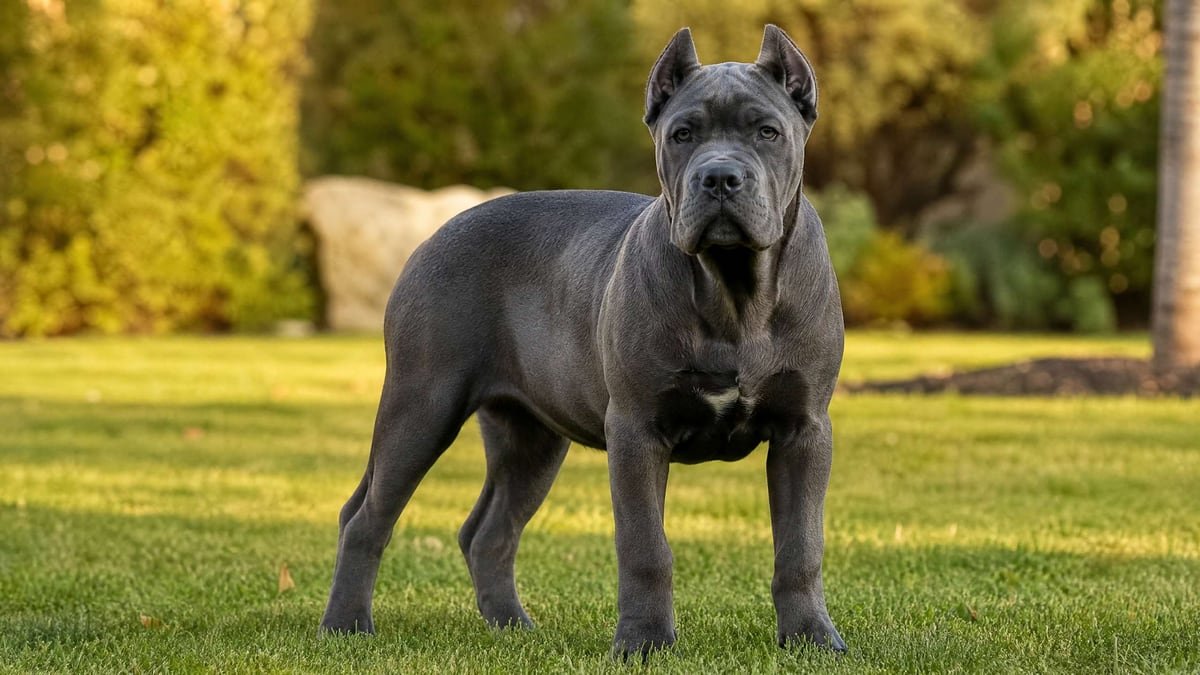
Cane Corso puppy for the Cane Corso weight chart and growth guide

Life Span

Adult range

40-54 kg

88.2-119 lb

Size class

Giant breed

Matched size chart

Growth pace

Slower

Typical for this breed size

Check-in cadence

Weekly to monthly

Suggested rhythm

<16 w weekly | 16-32 w biweekly | 32 w+ monthly

Cane Corso Weight Chart by Age

Cane Corsos are large working guardians, and adult weight should be proportionate to height and structure. Many healthy adults fall around 90-120 lb, though sex and line type create variation.

This is not a breed where bigger automatically means better. Lean, athletic growth supports joints, bloat risk management, and long-term function.

AgeMale WeightFemale Weight
2 months18-28 lb (8.2-12.7 kg)15-25 lb (6.8-11.3 kg)
3 months30-45 lb (13.6-20.4 kg)25-38 lb (11.3-17.2 kg)
4 months45-60 lb (20.4-27.2 kg)38-52 lb (17.2-23.6 kg)
5 months58-75 lb (26.3-34 kg)48-65 lb (21.8-29.5 kg)
6 months70-88 lb (31.8-39.9 kg)58-75 lb (26.3-34 kg)
8 months85-105 lb (38.6-47.6 kg)70-88 lb (31.8-39.9 kg)
10 months95-115 lb (43.1-52.2 kg)78-95 lb (35.4-43.1 kg)
12 months100-120 lb (45.4-54.4 kg)82-100 lb (37.2-45.4 kg)
18 months100-120 lb (45.4-54.4 kg)88-105 lb (39.9-47.6 kg)

When Does a Cane Corso Stop Growing?

Cane Corsos may look powerful before they are physically and mentally mature. Height, muscle, confidence, and judgment develop on a long timeline.

6-12 months

Big frame change

Weight and strength rise quickly, but joints and coordination are still developing.

12-18 months

Frame and training settle

Height is close to adult size for many dogs, while body substance and behavior still need structure.

18-24 months

Muscle maturity

Adult muscle and working condition continue developing with measured exercise and food.

24+ months

Full adult maintenance

The focus shifts to lean body condition, joint comfort, bloat prevention habits, and calm guardian management.

Do not turn a working guardian into a weight contest.

A stable, athletic Cane Corso with good movement is healthier than an oversized dog carrying extra load.

Signs Your Cane Corso Is Growing Well

A healthy Cane Corso trend shows controlled gains, strong but comfortable movement, and a body that feels muscular without padding.

Positive signs

  • Ribs can be felt under muscle without hard pressure.
  • Waist is visible or easy to feel behind the ribs.
  • Puppy moves evenly without stiffness or limping.
  • Training focus and calm recovery improve with age.
  • Stools remain regular after food changes settle.
  • Weight gains smoothly instead of jumping after extra meals.

Worth monitoring

  • Ribs become hard to find while belly and waist soften.
  • Limping, bunny-hopping, stiffness, or reluctance to rise appears.
  • Weight jumps quickly across several check-ins.
  • Retching without vomit, pacing, drooling, or belly swelling appears.
  • Training rewards or large meals are replacing measured food.

Structure is part of health.

Routine, training, and calm handling help you manage food, movement, and body condition before the dog is fully powerful.

What Affects a Cane Corso's Weight?

Cane Corso weight is shaped by sex, height, line type, calorie control, muscle, joint comfort, and meal timing.

Frame

Height and sex

Males are usually taller and heavier, while females often carry a lighter but still powerful frame.

Function

Working structure

The breed should be strong and athletic, not soft or oversized for display.

Growth

Large-breed pace

Controlled growth protects the body better than pushing heavy gains in puppyhood.

Health

Hips, elbows, and knees

Orthopedic comfort can change activity and weight trends quickly.

Deep chest

Bloat-aware meals

Smaller scheduled meals and calm timing are important for this deep-chested breed.

Why this breed needs context

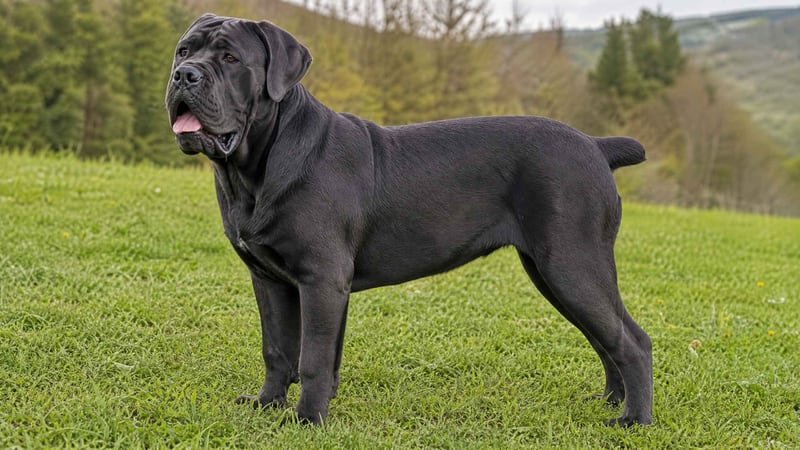
Cane Corso puppy body condition snapshot for growth tracking
Long growth timeline<16 w weekly | 16-32 w biweekly | 32 w+ monthly

Watchful • Powerful • Devoted

Cane Corso dogs are usually watchful and powerful, and their larger frame is easiest to read when meals, activity, and weigh-ins stay steady.

Medium energy, Low grooming

Prioritize calm handling, early social structure, and predictable boundaries as size increases.

Best read through repeat check-ins

Rapid gain can increase stress on hips, elbows, and knees

Updated weeklyPlanning estimates onlyView sourcesEditorial policy

Keep the next step obvious

Run a live estimate

Open the homepage calculator with Cane Corso selected and compare the live result with this guide.

Open calculator

Open the matching size chart

Use the Giant size chart to compare the broader checkpoint range behind this breed guide.

Open size chart

Read healthy weight basics

Review the core framework for trend tracking, body condition, and using ranges responsibly.

Open guide

Cane Corso Growth and Weight Chart

Cane Corso male and female growth chart

Use this chart as a controlled large-guardian growth reference from 1 to 12 months.

Breed-specific monthly chart

Chart span

1-12 months

Breed-specific monthly view

Male at 12 months

52 kg

114.6 lb

Female at 12 months

45 kg

99.2 lb

Re-check cadence

2-4 weeks

Trend beats one weigh-in

Monthly reference 1-12 months
Cane Corso male and female growth chart Breed-specific growth chart for Cane Corso from 1 through 12 months in kg.0102030405060123456789101112 Male Female Age (months) Weight (kg)
Male line Female line

This breed-specific chart tracks the average monthly line for male and female Cane Corso puppies from 1-12 months. Lean working condition matters more than maximum weight.

Want a live estimate from your dog's current age and weight?

Open the homepage calculator with Cane Corso selected, add the latest weigh-in, then compare the result back against this guide.

How to read this graph for Cane Corso

  • Use the male line for male puppies and the female line for female puppies, because Cane Corso dogs often grow at different rates through the first year.
  • Month-to-month progress matters more than one high or low weigh-in, especially during the faster early-growth months.
  • Use the live calculator after repeat weigh-ins, then compare the result back to this breed-specific chart to confirm the trend is still moving steadily.

<16 w weekly | 16-32 w biweekly | 32 w+ monthly

Re-check a Cane Corso every 2 to 3 weeks during rapid growth, then monthly as the adult frame settles.

Run the live estimate with this breed selected

Most useful after a fresh weigh-in, then compare the result back against this breed graph and the matching size chart.

Cane Corso Growth Stages Explained

Cane Corso growth is long and powerful. Physical development, training, and social confidence must grow together.

Early foundation

Breeder care, early handling, and litter records shape the starting point before home tracking begins.

Structure and socialization

Meals, handling, leash basics, and calm exposure matter more than intense exercise.

Rapid size change

Strength rises quickly. Keep exercise controlled and reinforce polite behavior daily.

Adolescent guardian

The body looks powerful, but judgment and joints are still immature. Avoid weight chasing.

Frame and muscle maturity

Muscle, chest, and working confidence fill in gradually with measured food and training.

Adult management

Adult care centers on lean condition, bloat-aware meals, joint comfort, and stable routines.

Feeding Rules Every Cane Corso Owner Should Know

Rule 1

Use large or giant-breed growth food

Controlled calcium and calories help support steady skeletal growth.

Rule 2

Feed smaller scheduled meals

Use multiple measured meals for puppies and at least two meals for adults instead of one large meal.

Rule 3

Avoid hard exercise near meals

Deep-chested dogs should rest before and after full meals to reduce digestive stress.

Rule 4

Do not chase oversized weight

The goal is lean working condition, not the heaviest possible dog.

Rule 5

Transition foods gradually

Watch stool, appetite, skin, and weight before making another diet change.

Rule 6

Hydrate around training

Offer water during activity, then allow calm recovery before feeding.

How Much Should I Feed My Cane Corso?

Cane Corso portions depend on age, sex, frame, food calories, training load, and body condition.

Controlled growth - lean mass - bloat-aware meals

3-4 meals early

Young puppies often do best with several measured meals, then adults commonly move to at least two meals.

Feed for structure, not size bragging

A lean, steady Corso is easier on joints than a puppy pushed to look huge.

Meal timing matters

Avoid one giant meal and avoid intense exercise close to feeding.

Temperament & daily fit

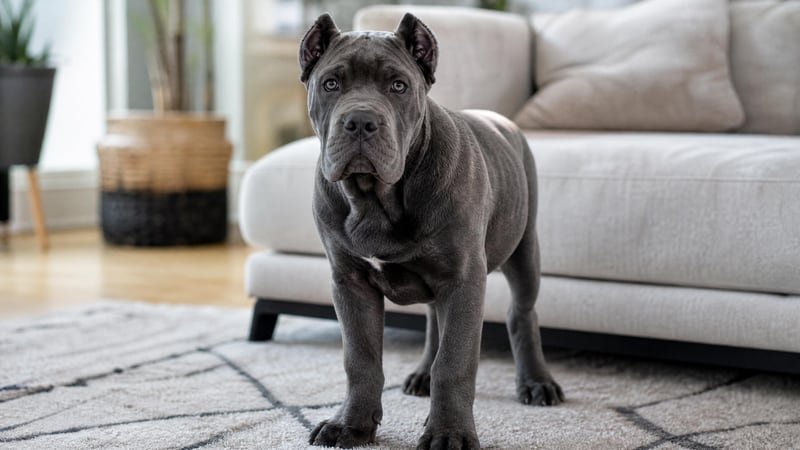
Cane Corso puppy daily life photo for healthy weight guidance
WatchfulPowerfulDevoted

Homes that match this breed

  • Experienced owners who can provide structure, training, and socialization
  • Homes prepared for a strong guardian breed with daily mental work
  • People committed to lean growth rather than size chasing

What can change the trend

  • Rapid gain can increase stress on hips, elbows, and knees
  • Deep chest means meal timing and bloat signs matter
  • Strength and guarding instinct arrive before full maturity

Care routine

Feeding

Use measured large or giant-breed meals and avoid pushing fast growth.

Exercise

Use controlled walks, training, and purposeful play while joints develop.

Grooming

Short coat care is simple, but body, feet, and movement checks should be routine.

Training

Build calm handling, leash control, confidence, and social judgment from puppyhood.

Warning Signs: Is Your Cane Corso Overweight or Underweight?

Cane Corsos should look powerful but still athletic. Weight should never hide movement problems or waist shape.

Signs of extra weight

  • Ribs are hard to feel under muscle and padding
  • Waist disappears from above
  • Belly or tail base looks padded
  • Dog rises slowly, limps, or moves stiffly
  • Panting or fatigue appears sooner than normal
  • Food portions have increased to chase size

Signs of too little weight

  • Ribs, spine, or hip points are clearly visible
  • Thigh and shoulder muscle looks thin
  • Energy or training focus drops
  • Coat looks dull or appetite changes
  • Weight stalls before frame maturity
  • Digestive upset repeats

Compare similar guides

Run the estimate with Cane Corso selected

Use live age and weight inputs, then compare the result with this breed guide and its matching size chart.

Frequently asked questions

Many Cane Corsos fall around 90-120 lb (40-54 kg) in this guide, with sex, height, and line type affecting the healthy number.

Many 6-month Cane Corsos are around 58-88 lb (26.3-39.9 kg), with males often heavier than females.

Many reach much of their height by 12-18 months, then continue adding adult muscle and maturity until about 24 months or more.

No. Lean working condition, good movement, and stable temperament matter more than maximum weight.

Use smaller scheduled meals, avoid one large meal, and keep intense exercise away from feeding times.

Track ribs, waist, gait, stiffness, meal speed, stool, training rewards, activity type, and post-meal comfort.

Call your vet for limping, rapid gain, stalled growth, appetite changes, or bloat signs such as retching, pacing, drooling, or belly swelling.

Estimates only. Not veterinary advice.