
Large Breed Puppy Growth Guide
Large and giant puppies need a slower, steadier interpretation of growth. This guide connects weight checks, food choices, exercise, and body condition into one routine.
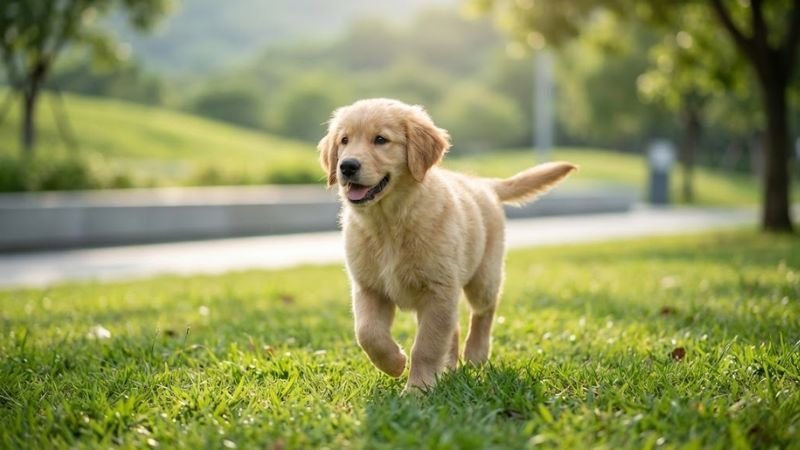
Why large-breed growth needs a different lens
Large puppies grow for longer and put more load through developing bones and joints. That makes steady tracking more important than chasing a heavy number early. A healthy large puppy may look leaner than owners expect, especially during lanky growth stages.
Use the large dog weight chart or giant dog weight chart as the broad reference, then use breed pages for adult-range context.
Feeding and growth rate
Large and giant breed puppies often need food formulated for growth of large-size dogs. The goal is controlled nutrition, not extra calories for faster size. Reward-heavy training can also change the trend, so include treats when you review the week.
Do not free-read the chart as a target
A puppy near the middle of the range with a visible waist may be doing better than a puppy pushed toward the upper end with soft body condition.
Exercise while the frame is developing
Movement matters, but it should match age and development. Favor sniff walks, gentle play, training, and rest over repetitive high-impact sessions. As your puppy grows, watch recovery the next day, not only excitement during the activity.
- Use controlled walks and short training sessions.
- Avoid turning every play session into endurance work.
- Limit repetitive jumping while growth is active.
- Keep floors, stairs, and slippery surfaces in mind for big puppies.
Large-breed check-in routine
Re-check every two to four weeks through active growth, or sooner if food, rewards, illness, or activity changed. Record current weight, body condition, appetite, stool, energy, and movement comfort.
For breed-specific context, start with Labrador Retriever, Golden Retriever, German Shepherd, Rottweiler, or Great Dane if one matches your dog.