Adult weight
Read the adult reference in kg and lb
AKC describes American Cocker Spaniels at 20-30 lb (about 9.1-13.6 kg). This adult reference is not a monthly puppy target or a diagnosis of healthy weight.

Calculators
Browse
Learn
Company & trust
Estimates only. Not veterinary advice.
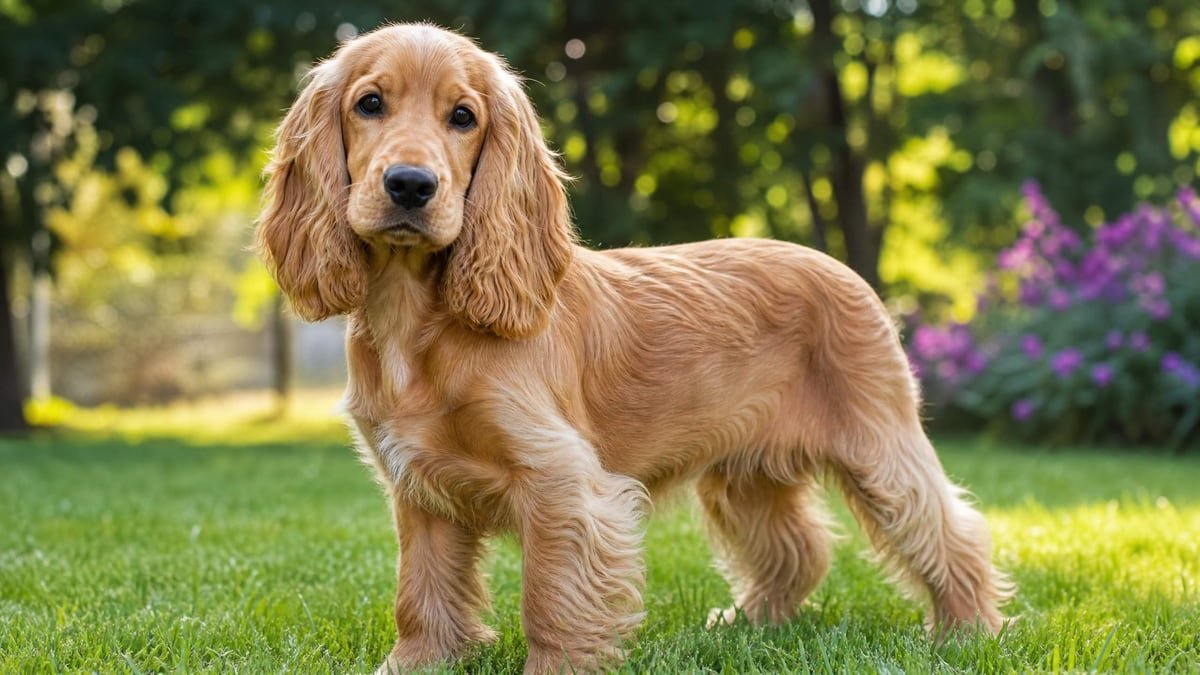
American Cocker Spaniels generally weigh 20-30 lb (9.1-13.6 kg) as adults. Check adult size, follow your puppy's growth, or estimate adult weight with the calculator.
This guide covers the American Cocker. English Cocker Spaniels have different size references.
Overview
Adult weight reference
9.1-13.6 kg
20-30 lb
Size class
Small breed
Matched size chart
Growth pace
Faster
Typical for this breed size
Check-in cadence
Weekly to monthly
Suggested rhythm
<16 w weekly | 16-32 w biweekly | 32 w+ monthly
Quick answers
Start with adult size, then use your own measurements to follow puppy growth.
Adult weight
AKC describes American Cocker Spaniels at 20-30 lb (about 9.1-13.6 kg). This adult reference is not a monthly puppy target or a diagnosis of healthy weight.
Calculator
Open the calculator with Cocker Spaniel selected, enter your puppy's age and current weight, and choose the correct units. The result is an adult-size estimate, not an assessment of whether your puppy is healthy.
Breed distinction
English Cockers are a separate breed. AKC lists them at 26-34 lb (about 11.8-15.4 kg), compared with 20-30 lb for American Cockers. Choose the correct breed before comparing size or using the calculator.
Puppy growth
There is no single monthly number that every puppy should reach. Compare repeat measurements with a suitable growth chart and body condition, and ask your veterinarian about a changed trend.
Adult weight reference
AKC describes American Cocker Spaniels at 20-30 lb (about 9.1-13.6 kg). This adult reference is not a monthly puppy target or a diagnosis of healthy weight.
For puppy weights by age, follow measurements over time on a chart suited to sex and expected adult size. WALTHAM offers charts from 12 weeks; ask your veterinarian which chart to use.
| Reference | Adult weight |
|---|---|
| American Cocker Spaniel adult reference | 20-30 lb (about 9.1-13.6 kg) |
Maturity
Smaller dogs commonly reach adulthood around a year, but individual timing varies. Follow your dog's measurements and development when deciding whether to change food or activity.
Record weight and any changes in meals, activity or health. Bring the record to routine veterinary visits.
A slower rate of gain can be part of approaching maturity. Ask your veterinarian when a puppy growth diet should change.
Body condition
Part the coat and feel the ribs and waist. A freshly groomed outline can look very different without any change in body weight.
Growth check
A healthy Cocker puppy should be sturdy, bright, comfortable in the ears and skin, and agile under the coat.
Grooming note
A Cocker's coat can hide weight changes, so ribs, waist, ears, and skin should be checked by hand.
Weight factors
Cocker weight is affected by frame, coat, grooming, treats, ear and skin comfort, activity, and joint health.
A Cocker should stay sturdy and agile rather than round or fragile.
A full coat may hide loss of waist until you feel through it.
Ear pain can reduce play and make weight creep easier.
Skin irritation can affect comfort, grooming tolerance, and activity.
Small rewards keep training positive without overfeeding.
Lean condition reduces stress on hips and knees.
Breed snapshot
Temperament profile
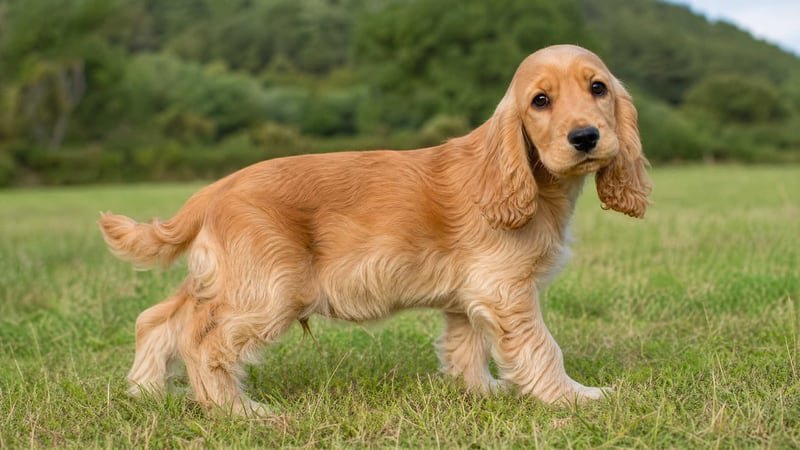
Cocker Spaniel dogs are usually cheerful and gentle, and their compact frame makes measured meals and repeat check-ins especially useful.
Daily rhythm
Use gentle routines, measured treats, and regular coat and ear care.
Weight-tracking note
Long ears and coat can trap moisture and hide condition changes
Use this page with
Calculator
Open the homepage calculator with Cocker Spaniel selected and compare the live result with this guide.
Open calculatorSize chart
Explore the site's general size estimates. These are planning tools, not the official breed standard or a veterinary growth assessment.
Open size chartGuide
Review the core framework for trend tracking, body condition, and using ranges responsibly.
Open guideAge calculator
Use Cocker Spaniel's usual adult-size band to compare dog age with human years.
Calculate ageRelated guides
Age guide
Read general growth context and the limits of age-based weight estimates.
Open age guideCondition
Use rib, waist, and tuck checks to decide whether Cocker Spaniel's number looks healthy in real life.
Open condition guideMaturity
Compare Small growth timing with the point when height, muscle, and fill-out usually slow.
Open timing guideHealthy range
Use trend tracking and routine notes to keep Cocker Spaniel's estimate grounded.
Open basicsGrowth tracking
Stages
Use a consistent record as your puppy develops.
First weigh-in
Record the date, age, weight and units. Ask your veterinarian about expected adult size and an appropriate chart.
Repeat visits
Part the coat and feel the ribs and waist. A freshly groomed outline can look very different without any change in body weight.
Approaching adulthood
Discuss feeding and activity as growth slows. Continued gain is not automatically a sign that more food is needed.
Feeding rules
Small portion errors can matter on a compact frame.
Regular meals make appetite, stool, and weight easier to compare.
Training should stay positive without becoming treat-heavy.
Puppy, adult, and senior foods have different calorie and nutrient targets.
Hydration matters after fetch, warm walks, and grooming sessions.
Diet changes can show up as itching, ear changes, stool shifts, or weight change.
Feeding
Cocker portions depend on age, frame, food calories, activity, treats, grooming condition, and whether the dog is maintaining a waist under the coat.
Puppy meals
Young Cockers need reliable meals that support development without soft gain.
Treat habit
Use small soft treats, kibble pieces, or praise so training does not inflate calories.
Grooming check
Brush time is the best time to check ribs, waist, skin, and coat mats.
Daily life

Good fit for
Things to watch
Care
Measure meals and rewards to protect a compact frame that can soften under coat.
Use brisk walks, fetch, sniffing, and play balanced with calm rest.
Brush and groom consistently, checking ears, skin, ribs, waist, and mats.
Use gentle, positive routines with small rewards and plenty of praise.
Warning signs
Because coat can hide shape, Cocker Spaniel weight checks should be hands-on.
Similar breeds


Next step
Use age and current weight for a planning estimate. Track repeat measurements and discuss your dog's individual growth with your vet.
FAQ
The adult-size references are linked below. They do not supply the monthly puppy weights: puppy growth is assessed using repeat measurements, suitable growth charts and body condition.
Estimates only. Not veterinary advice.