Small breed

Boston Terrier Weight Chart & Growth Guide

Updated weekly

Boston Terriers are small, sturdy companions that can gain quickly when treats and low-activity days stack up. This guide focuses on compact growth, breathing and heat comfort, eye and knee awareness, measured feeding, and body checks that keep a Boston agile.

For Bostons, healthy weight protects breathing, heat comfort, eyes, and movement.

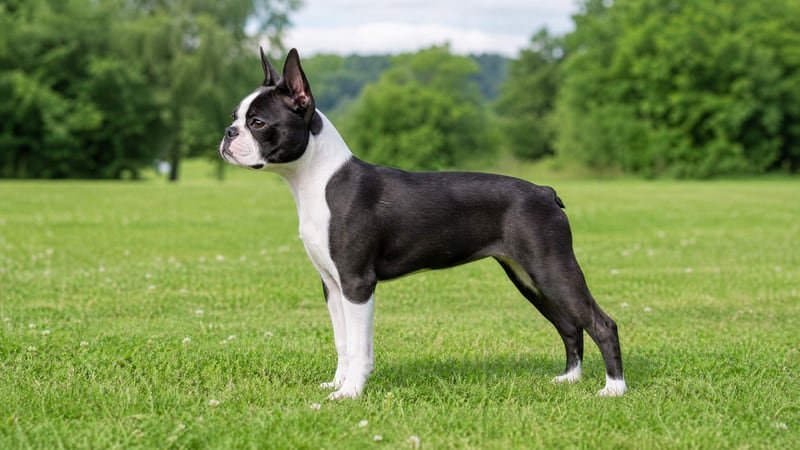
Boston Terrier puppy for the Boston Terrier weight chart and growth guide

Life Span

Adult range

5.5-11.5 kg

12.1-25.4 lb

Size class

Small breed

Matched size chart

Growth pace

Faster

Typical for this breed size

Check-in cadence

Weekly to monthly

Suggested rhythm

<16 w weekly | 16-32 w biweekly | 32 w+ monthly

Boston Terrier Weight Chart by Age

Boston Terriers are compact small dogs, and many adults fall somewhere around 12-25 lb. They are sturdy for their size but should still have ribs you can feel.

Use the chart with breathing comfort and heat tolerance. The right weight supports easy movement and safe short activity.

AgeTypical RangeBody-Condition Note
2 months4-7 lb (1.8-3.2 kg)Small sturdy puppy
3 months6-10 lb (2.7-4.5 kg)Fast early gain
4 months8-13 lb (3.6-5.9 kg)Waist should stay findable
5 months10-16 lb (4.5-7.3 kg)Treats begin to matter
6 months12-18 lb (5.4-8.2 kg)Check breathing comfort
8 months14-22 lb (6.4-10 kg)Adult outline forming
10 months15-25 lb (6.8-11.3 kg)Growth slowing
12 months15-25 lb (6.8-11.3 kg)Adult range for many dogs
18 months15-25 lb (6.8-11.3 kg)Maintain compact lean condition

When Does a Boston Terrier Stop Growing?

Boston Terriers often finish most height before large breeds, then settle into adult muscle and condition through the first year.

4-7 months

Compact body change

The puppy gains substance quickly, so treat habits start to matter.

7-10 months

Adult outline appears

The sturdy shape is clear, but extra calories can quickly soften the waist.

10-12 months

Growth slows

Weight should stabilize as adult meals and activity patterns settle.

Adult years

Comfort maintenance

Adult weight affects breathing, heat tolerance, knees, and daily activity.

Compact should not mean padded.

A Boston can be sturdy and still have a waist, easy-to-feel ribs, and comfortable movement.

Signs Your Boston Terrier Is Growing Well

A healthy Boston trend shows steady growth, easy short activity, clear eyes, comfortable breathing, and a compact but lean body.

Positive signs

  • Ribs are easy to feel under the short coat.
  • Waist is visible or findable behind the ribcage.
  • Short walks and play end with normal recovery.
  • Eyes look clear and comfortable.
  • Stool and appetite stay steady.
  • Treats remain tiny and counted.

Worth monitoring

  • Breathing effort, snorting, or heat intolerance worsens.
  • Ribs become hard to feel and waist disappears.
  • Eye redness, squinting, or injury appears.
  • Skipping on a back leg or kneecap discomfort appears.
  • Activity drops while food and treats stay the same.

Do not exercise through heat.

For Boston Terriers, portion control and cooler activity are safer than hard hot walks.

What Affects a Boston Terrier's Weight?

Boston weight is shaped by compact frame, short muzzle, heat tolerance, eyes, knees, treats, and daily activity.

Frame

Compact sturdy build

Bostons are small but solid, so rib feel matters more than height.

Airway

Short-muzzle comfort

Extra weight can make heat and breathing comfort harder.

Eyes

Prominent eye care

Eye discomfort or injury can reduce activity and change routine.

Movement

Patella and activity

Knee skipping or soreness can lower activity and shift weight.

Food

Treat-heavy companionship

Small compact dogs can gain from frequent little rewards.

Why this breed needs context

Boston Terrier puppy body condition snapshot for growth tracking
Faster early settling<16 w weekly | 16-32 w biweekly | 32 w+ monthly

Lively • Friendly • Compact

Boston Terrier dogs are usually lively and friendly, and their compact frame makes measured meals and repeat check-ins especially useful.

Medium energy, Low grooming

Use short, positive sessions and keep food rewards measured.

Best read through repeat check-ins

Short muzzle means heat and breathing comfort guide exercise

Updated weeklyPlanning estimates onlyView sourcesEditorial policy

Keep the next step obvious

Run a live estimate

Open the homepage calculator with Boston Terrier selected and compare the live result with this guide.

Open calculator

Open the matching size chart

Use the Small size chart to compare the broader checkpoint range behind this breed guide.

Open size chart

Read healthy weight basics

Review the core framework for trend tracking, body condition, and using ranges responsibly.

Open guide

Boston Terrier Growth and Weight Chart

Boston Terrier growth chart

Use this compact small-dog line as a Boston Terrier reference.

Breed-specific monthly chart

Chart span

1-12 months

Breed-specific monthly view

Male at 12 months

-- kg

-- lb

Female at 12 months

-- kg

-- lb

Re-check cadence

1-2 weeks early

Trend beats one weigh-in

Monthly reference 1-12 months
Boston Terrier growth chart Breed-specific growth chart for Boston Terrier from 1 through 12 months in kg.024681012123456789101112 Upper frame Lower frame Age (months) Weight (kg)
Male line Female line

This breed-specific chart tracks the average monthly line for male and female Boston Terrier puppies from 1-12 months. Read with breathing and heat comfort.

Want a live estimate from your dog's current age and weight?

Open the homepage calculator with Boston Terrier selected, add the latest weigh-in, then compare the result back against this guide.

How to read this graph for Boston Terrier

  • Use the male line for male puppies and the female line for female puppies, because Boston Terrier dogs often grow at different rates through the first year.
  • Month-to-month progress matters more than one high or low weigh-in, especially during the faster early-growth months.
  • Use the live calculator after repeat weigh-ins, then compare the result back to this breed-specific chart to confirm the trend is still moving steadily.

<16 w weekly | 16-32 w biweekly | 32 w+ monthly

Re-check a Boston Terrier every 2 to 3 weeks during growth, and sooner after activity or treat changes.

Run the live estimate with this breed selected

Most useful after a fresh weigh-in, then compare the result back against this breed graph and the matching size chart.

Boston Terrier Growth Stages Explained

Boston growth is compact and comfort-focused. Feeding, eye care, heat management, and short activity all matter.

Early breeder care

Puppies depend on stable weaning, warmth, and veterinary oversight before coming home.

Home routine

Start measured meals, gentle play, eye awareness, and short training sessions.

Compact growth

The body gains substance quickly, so portion and treat habits matter.

Adult outline

The body looks close to adult shape, and breathing comfort should guide activity.

Weight stabilizing

Growth slows and adult feeding habits take over.

Comfort maintenance

Adult care centers on measured meals, cool activity, eye checks, and body condition.

Feeding Rules Every Boston Terrier Owner Should Know

Rule 1

Measure compact portions

Bostons can gain quickly when rewards are casual.

Rule 2

Keep treats tiny

Training rewards, table bites, and chews should fit the daily calorie plan.

Rule 3

Exercise in cool windows

Use short comfortable activity instead of heat-heavy exertion.

Rule 4

Use life-stage food

Puppies need growth nutrition, then adult food when maturity and vet guidance align.

Rule 5

Change foods gradually

Watch stool, appetite, skin, and body condition during transitions.

Rule 6

Keep hydration easy

Fresh water and shade matter in warm weather and after play.

How Much Should I Feed My Boston Terrier?

Boston portions depend on adult target, food calories, activity, breathing comfort, and body condition.

Measured meals - cool activity - compact condition

Regular puppy meals

Young puppies need predictable meals while growth and activity are changing.

Keep rewards small

Use tiny pieces, praise, or meal kibble so training does not add extra calories.

Feed for easy movement

If weight affects breathing or stamina, reduce extras and talk with your vet.

Temperament & daily fit

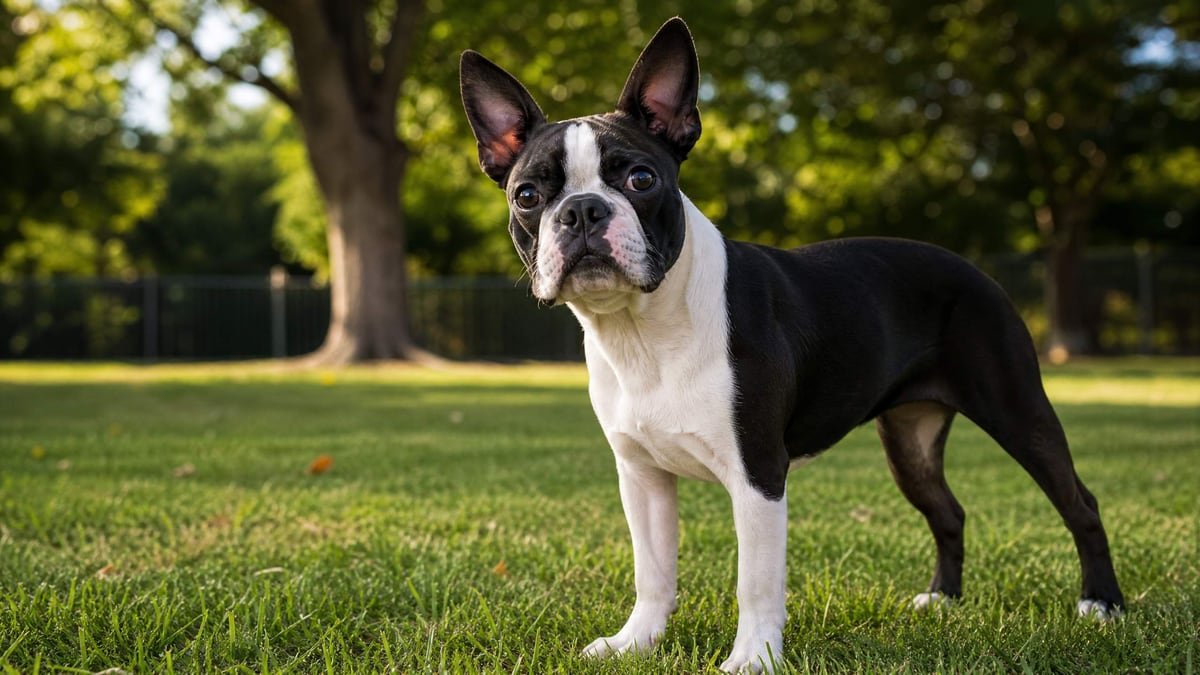
Boston Terrier puppy daily life photo for healthy weight guidance
LivelyFriendlyCompact

Homes that match this breed

  • Homes wanting a lively companion with moderate daily exercise
  • Owners who can keep treats measured and activity cool
  • Families prepared to monitor eyes, breathing comfort, and body condition

What can change the trend

  • Short muzzle means heat and breathing comfort guide exercise
  • Compact frame can hide extra weight until stamina drops
  • Prominent eyes and kneecap issues can affect activity comfort

Care routine

Feeding

Measure meals and keep rewards tiny because compact bodies gain quickly.

Exercise

Use comfortable walks and play in cool conditions, avoiding hard heat-heavy activity.

Grooming

Short coat care is simple, but eye, skin, rib, and waist checks should be routine.

Training

Keep sessions upbeat, brief, and reward-aware.

Warning Signs: Is Your Boston Terrier Overweight or Underweight?

Boston Terriers should feel compact and sturdy without losing a waist or easy breathing comfort.

Signs of extra weight

  • Ribs are hard to feel under the short coat
  • Waist disappears behind the ribcage
  • Panting or heat sensitivity increases
  • Dog tires quickly on short walks
  • Knee skipping or stiffness appears
  • Treats or table food have become routine

Signs of too little weight

  • Ribs, spine, or hips look sharp
  • Muscle over shoulders or thighs looks thin
  • Energy drops below normal play level
  • Appetite decreases or stool changes repeat
  • Coat or skin quality declines
  • Growth stalls before adult frame develops

Compare similar guides

Run the estimate with Boston Terrier selected

Use live age and weight inputs, then compare the result with this breed guide and its matching size chart.

Frequently asked questions

Many Boston Terriers fall around 12-25 lb (5.5-11.5 kg), depending on frame.

Many 6-month Bostons are around 12-18 lb (5.4-8.2 kg), depending on adult target and frame.

Many are close to adult size by 10-12 months, then continue settling into adult condition.

Extra weight can make heat tolerance, breathing comfort, knee comfort, and everyday activity harder.

Most do well with short walks and play, adjusted for heat, breathing comfort, and stamina.

Track ribs, waist, breathing, heat tolerance, eyes, knee skipping, stool, treats, and activity comfort.

Call your vet for breathing trouble, overheating, eye injury, limping, rapid gain, appetite changes, or weight loss.

Estimates only. Not veterinary advice.