Adult range
Most adult Italian Greyhounds are about 7-14 lb
AKC lists Italian Greyhound adult weight at 7-14 lb and height at 13-15 inches. A dog outside that range needs frame and body-condition context, not instant panic.

Calculators
Browse
Learn
Company & trust
Estimates only. Not veterinary advice.
Italian Greyhounds grow quickly into delicate, lean toy sighthounds. This guide connects the weight chart with healthy leanness, rib and muscle checks, temperature comfort, food portions, and the difference between normal sighthound outline and unhealthy weight loss.
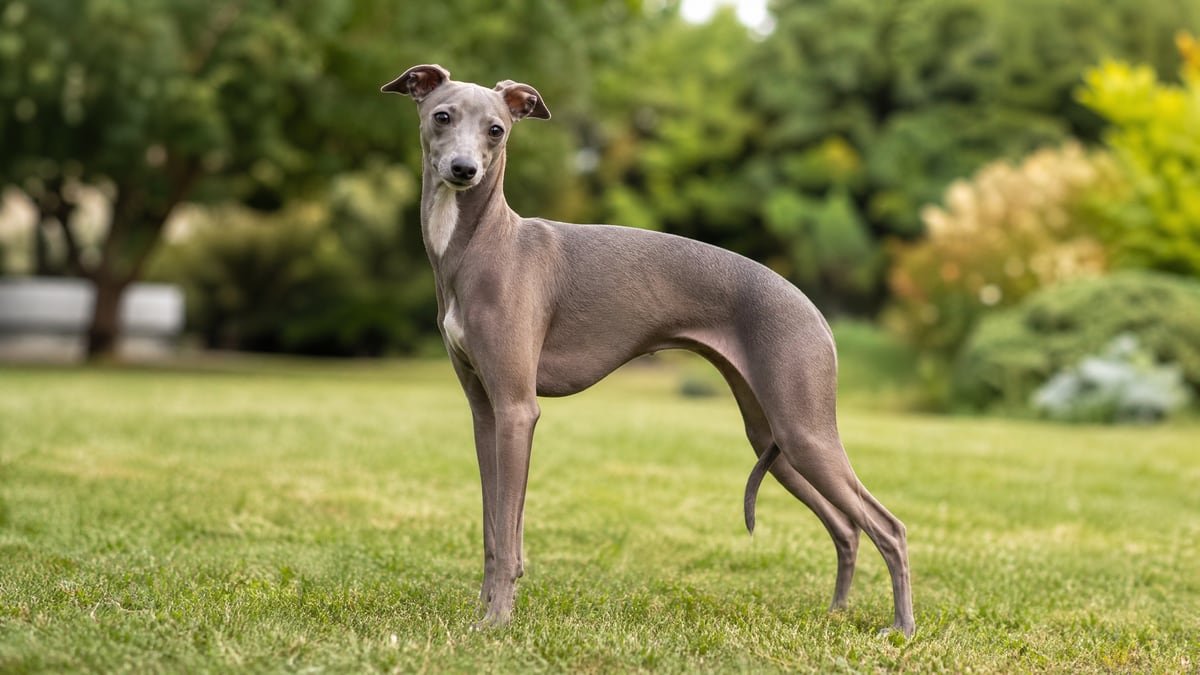
A healthy Italian Greyhound should look lean and tucked without looking weak or losing muscle.
Overview
Adult range
3.2-6.4 kg
7.1-14.1 lb
Size class
Toy breed
Matched size chart
Growth pace
Faster
Typical for this breed size
Check-in cadence
Weekly to monthly
Suggested rhythm
<16 w weekly | 16-32 w biweekly | 32 w+ monthly
Quick answers
Start here if you only need the practical answer. Italian Greyhounds are naturally lean, but healthy leanness should still come with muscle, warmth, appetite, and comfortable movement.
Adult range
AKC lists Italian Greyhound adult weight at 7-14 lb and height at 13-15 inches. A dog outside that range needs frame and body-condition context, not instant panic.
Growth timing
Small breeds often finish skeletal growth earlier than large breeds. Some Italian Greyhounds keep adding muscle and mature condition after height slows.
Best check
A definite tuck-up and some visible shape can be normal for a toy sighthound. Sharp bones, muscle loss, poor appetite, cold stress, or weakness needs veterinary review.
Safety
One pound is a large percentage of a 7-14 lb dog. Measure meals and treats, protect the legs, and track repeat weights instead of reacting to one weigh-in.
Weight by age
Italian Greyhound puppies grow into fine-boned toy sighthounds with a deep narrow chest, definite tuck-up, and lean muscle. The healthiest trend is steady gain without losing warmth, appetite, muscle, or safe movement.
Use this chart as planning context, not a diagnosis. The official adult range is 7-14 lb, but frame, height, parent size, muscle, appetite, cold comfort, activity, and veterinary body-condition scoring decide the healthy target for an individual dog.
| Age | Larger Frame | Smaller Frame |
|---|---|---|
| 8 weeks | 2.2-3.8 lb (1-1.7 kg) | 1.8-3 lb (0.8-1.4 kg) |
| 3 months | 3.5-5.5 lb (1.6-2.5 kg) | 2.8-4.5 lb (1.3-2 kg) |
| 4 months | 4.5-7.5 lb (2-3.4 kg) | 3.5-6 lb (1.6-2.7 kg) |
| 5 months | 5.5-9 lb (2.5-4.1 kg) | 4.5-7.5 lb (2-3.4 kg) |
| 6 months | 6.5-10.5 lb (2.9-4.8 kg) | 5.5-8.5 lb (2.5-3.9 kg) |
| 8 months | 7-12 lb (3.2-5.4 kg) | 6-10 lb (2.7-4.5 kg) |
| 10 months | 7-13.5 lb (3.2-6.1 kg) | 6.5-11 lb (2.9-5 kg) |
| 12 months | 7-14 lb (3.2-6.4 kg) | 7-12 lb (3.2-5.4 kg) |
| 15 months | 7-14 lb (3.2-6.4 kg) | 7-12.5 lb (3.2-5.7 kg) |
| 18 months | 7-14 lb (3.2-6.4 kg) | 7-12.5 lb (3.2-5.7 kg) |
Maturity
Italian Greyhounds usually finish height earlier than large dogs, but muscle, mature condition, confidence, and safe movement can keep settling after the puppy outline changes.
This is a high-change stage. Use small frequent meals, weekly weights, warm rest, and close supervision because appetite drops and unsafe jumping matter more in a tiny dog.
Many Iggies look all legs, chest, and tuck-up. That can be normal, but limping, sharp bones, weakness, or poor appetite should not be ignored.
Height and weight often slow in this window. The dog may still add muscle and a more mature outline after the first birthday.
For many Iggies, this is more about adult fitness than new height. Keep the dog lean, warm, well muscled, and safe on slippery floors and high furniture.
Key takeaway
A healthy Italian Greyhound may show a tuck-up and lean outline. The concern is sudden change, lost muscle, weakness, poor appetite, cold stress, limping, or pain.
Growth check
A good Italian Greyhound growth trend is steady, warm, active, and lightly muscled. Use these checks with the chart, calculator, and your veterinarian's advice.
Owner check
An Italian Greyhound should feel lean and elastic, with fine bone and muscle. The goal is not padding; it is strength, warmth, and comfortable movement.
Weight factors
Italian Greyhound weight is shaped by frame, height, parent size, muscle, appetite, warmth, dental comfort, treats, activity, and health. A single scale number is never enough.
AKC lists Italian Greyhounds at 7-14 lb. Because the range is tiny, half a pound can be meaningful and one pound can change body condition noticeably.
Owners often call oversized Italian Greyhounds Biggies. A larger dog may be healthy if height, muscle, ribs, tuck-up, gait, and vet body-condition score all fit.
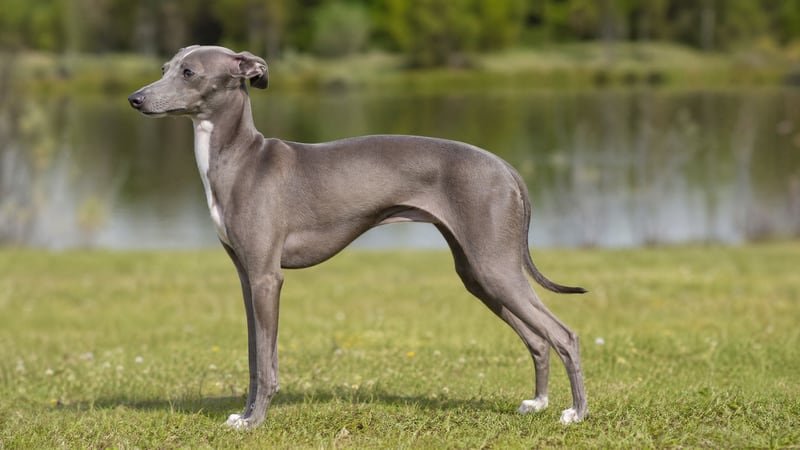
The standard describes fine bone, a deep narrow chest, and definite tuck-up. That outline is different from a soft toy dog outline.
IGCA notes that short hair and little body fat make prolonged cold exposure unsuitable. Warmth, clothing, and indoor comfort can affect activity and eating.
A few extra treats can matter in a 7-14 lb dog. Count training rewards, chews, and table food as part of the daily plan.
Limping, leg pain, dental pain, retained baby teeth, vomiting, diarrhea, eye changes, seizures, or sudden appetite shifts need veterinary guidance.
Breed snapshot
Temperament profile
Italian Greyhound dogs are usually lean and fine-boned, and their very small frame means even minor routine changes can move the scale.
Daily rhythm
Use gentle handling, safe recall, and tiny measured rewards.
Weight-tracking note
Small weight changes are meaningful
Use this page with
Calculator
Open the homepage calculator with Italian Greyhound selected and compare the live result with this guide.
Open calculatorSize chart
Use the Toy size chart to compare the broader checkpoint range behind this breed guide.
Open size chartGuide
Review the core framework for trend tracking, body condition, and using ranges responsibly.
Open guideAge calculator
Use Italian Greyhound's usual adult-size band to compare dog age with human years.
Calculate ageRelated guides
Age guide
Compare Italian Greyhound checkpoints with month-by-month puppy growth context before reading the breed graph.
Open age guideCondition
Use rib, waist, and tuck checks to decide whether Italian Greyhound's number looks healthy in real life.
Open condition guideMaturity
Compare Toy growth timing with the point when height, muscle, and fill-out usually slow.
Open timing guideHealthy range
Use trend tracking and routine notes to keep Italian Greyhound's estimate grounded.
Open basicsGrowth
Growth graph
Italian Greyhounds are toy sighthounds, so this chart keeps the focus on official 7-14 lb adult size, fine bone, lean muscle, definite tuck-up, warmth, and tiny-weight precision.
Chart span
2-24 months
Breed-specific monthly view
Male at 24 months
6.4 kg
14.1 lb
Female at 24 months
5.1 kg
11.2 lb
Re-check cadence
1-2 weeks early
Trend beats one weigh-in
This breed-specific chart tracks the average monthly line for male and female Italian Greyhound puppies from 2-24 months. Use the line as a planning reference. A healthy Italian Greyhound trend still depends on ribs, waist, tuck-up, muscle, appetite, stool, warmth, dental comfort, gait, leg safety, and veterinary exams.
Calculator bridge
Open the homepage calculator with Italian Greyhound selected, add the latest weigh-in, then compare the result back against this guide.
What this means
When to re-check
Re-check an Italian Greyhound every 1 to 2 weeks during early growth, and sooner after appetite, stress, food, or activity changes.
Next action
Most useful after a fresh weigh-in, then compare the result back against this breed graph and the matching size chart.
Stages
These stages help owners understand why Italian Greyhound puppies can look thin, leggy, or suddenly larger while still being normal.
8-12 weeks
Record starting weight, food brand, meal frequency, stool quality, appetite, warmth, breeder notes, dental status, and early vet findings.
3-5 months
Weigh weekly, use small meals, count tiny treats, and keep the puppy warm and supervised.
4-12 months
IGCA notes forearm fractures are common in this age range. Avoid unsafe launching spots, slick floors, and unsupervised high furniture.
6-9 months
The dog may look narrow and tucked. Check muscle, appetite, warmth, stool, and gait before assuming the puppy is underweight.
9-12 months
Many Italian Greyhounds are close to adult size. Portions and treats now have a strong effect on body condition.
12-18 months
Muscle, fitness, dental care, warmth, and safe exercise become the main story. Keep the dog lean without letting muscle disappear.
Feeding rules
Young toy puppies may need more than three meals daily. Ask your veterinarian for a schedule that fits your puppy's age, size, and appetite.
Use a precise scoop or kitchen scale. A little extra is not little for a 7-14 lb adult dog.
Use a complete and balanced puppy food until skeletal maturity unless your veterinarian gives different instructions.
Treats should stay a small part of daily calories. Break treats into tiny pieces and subtract frequent rewards from meals when needed.
Calcium, vitamin, and growth supplements are usually unnecessary with a balanced diet and may be harmful. Ask your vet first.
Keep warm rest available, avoid prolonged cold exposure, and feed around a routine that reduces stress and unsafe post-meal racing.
Feeding
The exact amount depends on calories per cup, age, expected adult size, activity, temperature, appetite, dental comfort, body condition, and your veterinarian's plan. Precision matters because the dog is small.
Puppy
Use a balanced puppy food, small scheduled meals, and weekly weights. Watch appetite, stool, warmth, and energy closely.
Adolescent
A young Iggy may look narrow while growing. Check muscle, tuck-up, ribs, and gait before increasing food.
Adult
Once adult weight settles, adjust portions around activity, treats, indoor warmth, neuter or spay changes, and body condition.
Senior
Older Italian Greyhounds may lose muscle or eat differently if dental discomfort appears. Ask your veterinarian before major food changes.
Treats
For training, use tiny pieces. Frequent normal-size treats can change weight fast in this breed.
Vet review
For a better target, bring weight history, food amount, calorie information, treat count, appetite notes, stool notes, body photos, dental notes, and any limping or cold-stress concerns.
Daily life
Good fit for
Things to watch
Care
Use tiny measured meals and treats because small changes show quickly.
Offer short play, walks, safe sprints, warmth, and soft recovery.
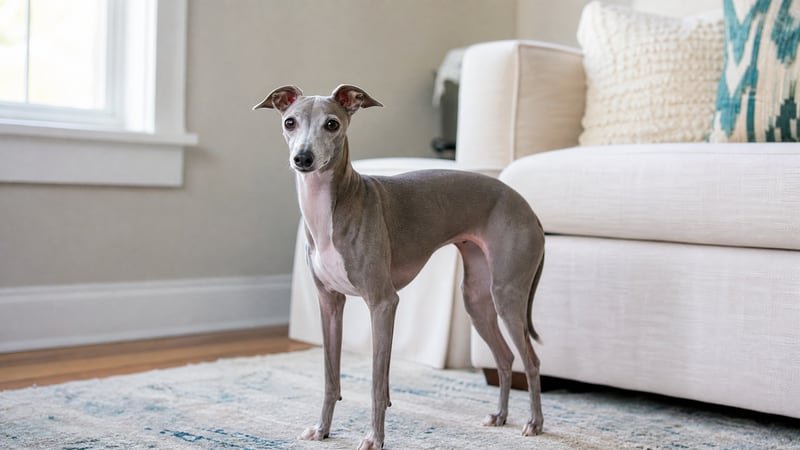
The short coat makes ribs, waist, skin, and muscle easy to check.
Use gentle positive training, recall safety, and calm handling.
Warning signs
Use this page for tracking, not diagnosis. Call your veterinarian when weight changes appear with appetite, stool, warmth, dental comfort, mobility, pain, or recovery problems.
Similar breeds

Next step
Use live age and weight inputs, then compare the result with this breed guide and its matching size chart.
FAQ
The page combines official breed size information, Italian Greyhound standard language, parent-club health guidance, veterinary nutrition principles, body-condition guidance, and search-intent review.
Estimates only. Not veterinary advice.