
Toy breed

Maltese Weight Chart & Growth Guide

Updated weekly

Maltese puppies live in a very small weight range, so tiny changes matter. This guide reads the chart through frequent puppy meals, hypoglycemia awareness, daily coat care, dental routines, patella comfort, liver and heart red flags, and the difference between a healthy toy frame and a fragile underfed puppy.

For a Maltese, a few ounces can matter, so the chart should be paired with energy, appetite, teeth, coat, and knee comfort.

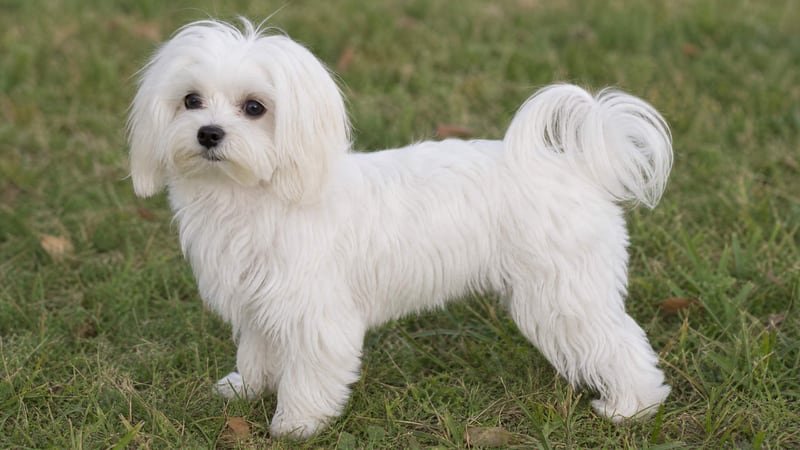
Maltese puppy for the Maltese weight chart and growth guide

Life Span

Adult range

2-3.2 kg

4.4-7.1 lb

Size class

Toy breed

Matched size chart

Growth pace

Faster

Typical for this breed size

Check-in cadence

Weekly to monthly

Suggested rhythm

<16 w weekly | 16-32 w biweekly | 32 w+ monthly

Maltese Weight Chart by Age

Maltese are toy dogs, and many adults fall around 4-7 lb. A small difference on the scale can be meaningful, so weigh-ins should be precise.

This chart works best with meal timing, energy, stool, dental comfort, coat condition, and kneecap movement notes.

AgeUpper Toy WeightLower Toy Weight
8 weeks1.2-2.0 lb (0.5-0.9 kg)1.0-1.8 lb (0.45-0.8 kg)
3 months1.8-3.0 lb (0.8-1.4 kg)1.5-2.6 lb (0.7-1.2 kg)
4 months2.4-4.0 lb (1.1-1.8 kg)2.0-3.5 lb (0.9-1.6 kg)
5 months3.0-5.0 lb (1.4-2.3 kg)2.6-4.4 lb (1.2-2 kg)
6 months3.5-5.8 lb (1.6-2.6 kg)3.0-5.2 lb (1.4-2.4 kg)
7 months3.8-6.3 lb (1.7-2.9 kg)3.4-5.8 lb (1.5-2.6 kg)
9 months4.0-6.8 lb (1.8-3.1 kg)3.8-6.4 lb (1.7-2.9 kg)
12 months4.0-7.0 lb (1.8-3.2 kg)4.0-7.0 lb (1.8-3.2 kg)
18 months4.0-7.0 lb (1.8-3.2 kg)4.0-7.0 lb (1.8-3.2 kg)

When Does a Maltese Stop Growing?

Maltese puppies often reach most adult size before the first birthday, but coat, dental routine, and adult condition keep settling afterward.

8-16 weeks

Frequent-meal stage

Tiny puppies need reliable meals and close energy monitoring.

4-7 months

Toy frame fills

Weight rises steadily while coat, teeth, and safe movement habits become important.

7-12 months

Adult outline

Many Maltese are close to adult size, but body condition and coat can still change.

12+ months

Precision maintenance

Tiny adult portions, dental care, and grooming shape long-term condition.

Small numbers need serious context.

Do not chase a smaller Maltese; steady energy, good appetite, and healthy teeth matter more than being extra tiny.

Signs Your Maltese Is Growing Well

A healthy Maltese puppy should be bright, eating reliably, moving comfortably, and gaining without becoming fragile or padded.

Positive signs

  • Energy stays steady between meals.
  • Ribs are easy to feel but not sharp.
  • Gums, breath, and chewing comfort stay normal.
  • Knees move comfortably without repeated skipping or limping.
  • Coat and skin stay clean, dry, and mat-free.

Worth monitoring

  • Puppy misses meals, seems weak, shaky, or unusually sleepy.
  • Weight stalls while appetite changes or stool stays loose.
  • Bad breath, red gums, or mouth pain appears.
  • A back leg skips repeatedly or the dog avoids stairs.
  • Long coat hides weight loss, padding, or skin irritation.

Energy dips are not just personality.

Because Maltese puppies are so small, missed meals and low energy deserve quick attention.

What Affects a Maltese Weight?

Maltese weight is shaped by tiny frame size, meal timing, coat, dental comfort, knees, activity, and inherited toy-breed health issues.

Frame

Very small adult range

A few ounces can be meaningful, so weigh with a precise scale.

Meals

Early meal frequency

Young puppies may need small meals several times daily to keep energy steady.

Teeth

Dental comfort affects eating

Toy breeds are prone to dental problems, so mouth care belongs in weight tracking.

Knees

Patella comfort

Knee slipping or limping can reduce movement and alter weight.

Coat

Silky coat can hide condition

Brush and feel the body rather than judging by outline.

Health

Heart, liver, and growth signs

Poor growth, seizures, weakness, or hard breathing should be checked by a vet.

Why this breed needs context

Maltese puppy body condition snapshot for growth tracking
Faster early settling<16 w weekly | 16-32 w biweekly | 32 w+ monthly

Gentle • Companion • Lively

Maltese dogs are usually gentle and companion, and their very small frame means even minor routine changes can move the scale.

Medium energy, High grooming

Use tiny rewards, gentle handling, and frequent small-dog check-ins.

Best read through repeat check-ins

Young puppies can dip if meals are missed

Updated weeklyPlanning estimates onlyView sourcesEditorial policy

Keep the next step obvious

Run a live estimate

Open the homepage calculator with Maltese selected and compare the live result with this guide.

Open calculator

Open the matching size chart

Use the Toy size chart to compare the broader checkpoint range behind this breed guide.

Open size chart

Read healthy weight basics

Review the core framework for trend tracking, body condition, and using ranges responsibly.

Open guide

Maltese Growth and Weight Chart

Maltese growth chart

Use this toy-breed reference to compare Maltese growth from 1 to 12 months.

Breed-specific monthly chart

Chart span

1-12 months

Breed-specific monthly view

Male at 12 months

-- kg

-- lb

Female at 12 months

-- kg

-- lb

Re-check cadence

1-2 weeks early

Trend beats one weigh-in

Monthly reference 1-12 months
Maltese growth chart Breed-specific growth chart for Maltese from 1 through 12 months in kg.01234123456789101112 Upper toy path Lower toy path Age (months) Weight (kg)
Male line Female line

This breed-specific chart tracks the average monthly line for male and female Maltese puppies from 1-12 months. Steady progress matters more than one weigh-in.

Want a live estimate from your dog's current age and weight?

Open the homepage calculator with Maltese selected, add the latest weigh-in, then compare the result back against this guide.

How to read this graph for Maltese

  • Use the male line for male puppies and the female line for female puppies, because Maltese dogs often grow at different rates through the first year.
  • Month-to-month progress matters more than one high or low weigh-in, especially during the faster early-growth months.
  • Use the live calculator after repeat weigh-ins, then compare the result back to this breed-specific chart to confirm the trend is still moving steadily.

<16 w weekly | 16-32 w biweekly | 32 w+ monthly

Re-check a Maltese every 1 to 2 weeks during early growth, and sooner if appetite, energy, stool, teeth, or movement changes.

Run the live estimate with this breed selected

Most useful after a fresh weigh-in, then compare the result back against this breed graph and the matching size chart.

Maltese Growth Stages Explained

Maltese growth is tiny and precise, with meals, coat, teeth, handling, and safe movement developing early.

Breeder foundation

Warmth, weaning, early health checks, and steady intake set the starting point.

Frequent meal routine

Use small regular meals, safe play, handling, and close energy observation.

Teeth and coat stage

Coat care, dental habits, and gentle movement become part of tracking.

Adult outline

Weight stabilizes while grooming and dental care keep shaping condition.

Toy adult maintenance

Adult care centers on tiny portions, daily teeth, coat care, knees, and repeat weigh-ins.

Feeding Rules Every Maltese Owner Should Know

Rule 1

Feed small puppies often

Young Maltese may need several small meals daily before moving to adult timing.

Rule 2

Use a kitchen scale

Tiny portions are easier to manage by weight than by guessing.

Rule 3

Do not skip meals

Missed meals can matter quickly in very small puppies.

Rule 4

Choose toy-friendly food

Small kibble and life-stage nutrition can make eating easier.

Rule 5

Keep water easy to reach

Hydration supports digestion, coat, and energy.

Rule 6

Change food slowly

Watch stool, appetite, skin, and energy during diet transitions.

How Much Should I Feed My Maltese?

Maltese portions depend on age, current weight, adult target, food calories, meal frequency, activity, dental comfort, and body condition under the coat.

Tiny meals - steady energy - dental-aware portions

Small frequent meals early

Ask your vet when to reduce meal frequency; do not rush tiny puppies into long gaps.

Use crumbs, not full treats

Training food should be tiny enough that it does not replace a meal.

Brush, then judge weight

Part the coat and feel ribs, waist, skin, and knees before changing food.

Temperament & daily fit

Maltese puppy daily life photo for healthy weight guidance
GentleCompanionLively

Homes that match this breed

  • Homes that can offer gentle handling, companionship, and short daily play
  • Owners ready for daily brushing, face care, and dental routines
  • People who can measure tiny meals and watch toy-breed energy closely

What can change the trend

  • Young puppies can dip if meals are missed
  • Long coat can hide rib and waist changes
  • Dental disease, kneecap issues, heart signs, or poor growth should be checked early

Care routine

Feeding

Use precise measured meals and frequent puppy feedings early, then transition only when growth and vet guidance fit.

Exercise

Use short safe walks, indoor play, and gentle training without jumping from furniture.

Grooming

Brush daily or keep a short clip, dry the coat well after baths, and check teeth, eyes, skin, ribs, and knees.

Training

Use cheerful, low-pressure sessions with tiny rewards and careful handling.

Warning Signs: Is Your Maltese Overweight or Underweight?

Maltese weight changes can be subtle, so use a precise scale and hands-on checks.

Signs of extra weight

  • Ribs are hard to feel under the coat
  • Waist disappears after grooming
  • Short walks or play tire the dog faster
  • Knee skipping or limping becomes more obvious
  • Treats or table food have increased
  • Dental discomfort reduces chewing but soft extras increase

Signs of too little weight

  • Ribs, spine, or hips feel sharp
  • Energy dips between meals
  • Puppy seems weak, shaky, or unusually sleepy
  • Appetite drops or meals are missed
  • Stool changes accompany weight loss
  • Coat quality declines or skin becomes irritated

Compare similar guides

Run the estimate with Maltese selected

Use live age and weight inputs, then compare the result with this breed guide and its matching size chart.

Frequently asked questions

Many Maltese adults fall around 4-7 lb (1.8-3.2 kg), with body condition and energy more important than being extra tiny.

Many 6-month Maltese puppies are around 3-6 lb (1.4-2.6 kg), depending on frame and growth line.

Many are close to adult size by 9-12 months, then settle into adult coat and condition after that.

Very small puppies can have energy dips if they do not eat enough, so meal timing matters during early growth.

Yes. Poor growth, weakness, sharp bones, missed meals, or repeated digestive issues should be discussed with your vet.

Track meals, energy, stool, ribs, waist, teeth, gums, coat mats, tear staining, knee skips, and appetite.

Call your vet for weakness, shaking, missed meals, seizures, limping, poor growth, bad breath, painful gums, hard breathing, vomiting, or diarrhea.

Estimates only. Not veterinary advice.