Should I Feed My Dog Before or After a Walk?

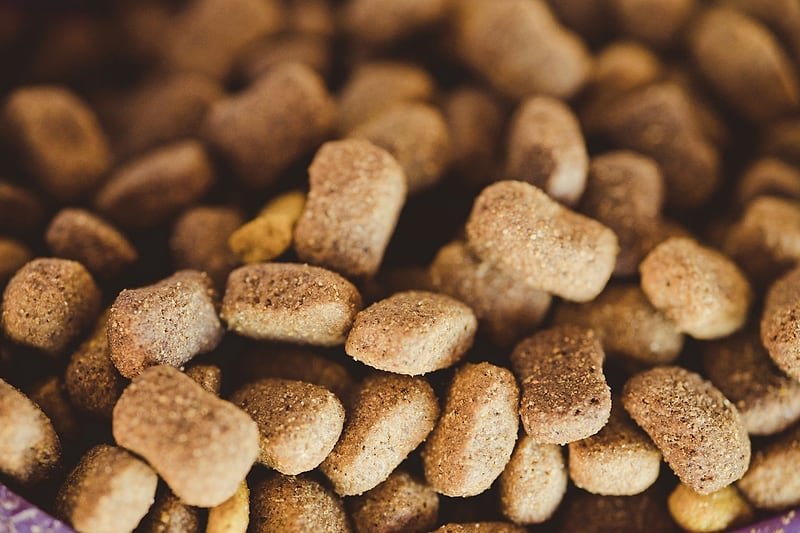
For many healthy adult dogs, a practical routine is walk, recover calmly, then feed. Photo: Nimit N/Pexels.
For most dogs, it is practical to walk first, allow a calm recovery, and then feed. If the meal comes first, avoid placing a full stomach immediately beside vigorous exercise such as running, repeated fetch, rough play, or agility.
PDSA recommends restricting exercise for one hour before and after feeding as a GDV precaution. Blue Cross advises leaving at least two hours after a meal before running. These are conservative organizational guidelines—not scientifically proven guarantees for every dog and every outing.
QUICK ANSWER
Keep full meals away from demanding exercise
A useful default is walk → calm recovery → meal. If your dog eats first, about one hour before ordinary exercise is a common precaution; wait at least two hours before running. A brief calm toilet outing is not the same physical demand as a workout.
Is it better to feed a dog before or after a walk?
Feeding after a walk is often easier because it avoids exercising with a recently filled stomach. The important issue is the distance between a substantial meal and demanding activity—not a rule that food must always come second.
| Situation | Conservative plan | Important context |
|---|---|---|
| Walk before a full meal | Walk, recover calmly, then feed after about one hour | PDSA uses a one-hour exercise restriction before feeding |
| Meal before a relaxed or moderate walk | Allow about one hour before exercise | This is a practical precaution, not a proven safety cutoff |
| Meal before running or hard activity | Wait at least two hours | Blue Cross gives this interval specifically for running |
| Brief toilet outing after food | Keep it short, leashed, and calm | A bathroom trip is not physically equivalent to running or rough play |
Meal size, activity intensity, health, age, fitness, and individual GDV risk all change the context. A ten-minute sniff walk is not the same activity as running five miles.
INTERACTIVE PLANNER
Dog meal-and-walk routine planner
Select which comes first and how demanding the activity will be. The result translates published organizational precautions into a planning buffer.
- Routine
- —
- Conservative buffer
- —
- Why
- —
Scope: this planner concerns a full meal. Small training treats are different. It is not a diagnostic or GDV-prevention calculator.
How long should you wait to walk a dog after eating?
About one hour is a commonly published conservative buffer before ordinary exercise. For running, Blue Cross advises at least two hours after a meal. There is no high-quality evidence proving that one exact minute threshold prevents GDV in every dog.
Activity matters more than the word “walk.” Postpone running, repeated ball chasing, jumping, agility, rough play, dog-park wrestling, and fast hiking. A brief toilet trip can stay calm and controlled. Thirty minutes after eating is shorter than PDSA's one-hour precaution, so do not turn that outing into a workout.
How long should you wait to feed after a walk?
PDSA's guidance also places a one-hour buffer before feeding. After a normal or energetic walk, let the dog settle before serving a full meal. A dog returning from hard exercise may still be panting, excited, drinking quickly, or ready to gulp food.
Use behavior as an additional check: breathing should be near normal, the dog should be calm, and there should be no sign of overheating or distress. That observation does not replace an appropriate buffer after strenuous activity.

Does walking after eating actually cause bloat or GDV?
GDV is a rapidly progressive emergency in which the stomach distends and can rotate, interfering with blood flow and breathing. It is multifactorial; one walk, food ingredient, or clock interval does not explain every case.
A case-control study involving 38 Great Danes with acute GDV and 71 controls examined the interval between feeding and exercise. That interval was not identified as a significant risk factor in the study. The research was limited to one breed and relied partly on owner-reported historical information, so it does not prove that hard exercise beside a meal is risk-free.
Merck, Cornell, and PDSA continue to include activity restriction around meals among practical prevention measures.
Use a meal-exercise gap as a low-burden precaution, especially for higher-risk dogs—but do not present it as a guarantee against GDV.
Which dogs need the most caution?
Large, giant, and deep-chested dogs develop GDV more often than the general population. Merck also identifies increasing age, a first-degree relative with GDV, rapid eating, once-daily feeding, lean body condition, and fearful or aggressive temperament among associated factors.
Frequently listed higher-risk breeds include Great Danes, German Shepherd Dogs, Weimaraners, Saint Bernards, Irish Setters, Gordon Setters, Doberman Pinschers, and Standard Poodles. Breed alone does not determine whether GDV will occur.
For a higher-risk dog, discuss an individualized plan with a veterinarian. Management may include:
- multiple appropriately sized meals instead of one very large daily meal;
- slower, calmer eating when the dog gulps food;
- feeding from floor level rather than assuming a raised bowl is protective;
- keeping strenuous activity away from meals; and
- discussing whether preventive gastropexy is appropriate.
See the Great Dane growth guide and German Shepherd guide for breed-specific context.
What about puppies?
Puppies need frequent meals and toilet opportunities, so every trip outside cannot be widely separated from food. The goal is to avoid strenuous activity immediately after eating, not to prevent all movement.
A young puppy can go outside on leash to toilet after a meal. Keep the outing brief and discourage running, jumping, wrestling, or a long high-energy walk. Blue Cross also advises against excessive vigorous exercise before a young dog is fully grown.
Should you feed before a long walk, hike, or run?
Avoid a large meal immediately before demanding exercise. Texas A&M veterinary guidance advises against food immediately before strenuous activity, and Blue Cross advises a two-hour post-meal interval before running.
Plan the main meal far enough from the session that the dog is not exercising on a recently filled stomach. Working or sporting dogs with long-duration energy needs may require an individualized schedule from a veterinarian or veterinary nutritionist.
Should water be restricted around exercise?
No—meal precautions are not a reason to deliberately dehydrate a dog. Fresh water should remain available. During and after exertion, allow sensible hydration while avoiding a situation that encourages a high-risk dog to gulp a very large volume at once.
PDSA recommends encouraging little-and-often drinking for GDV-prone dogs and explicitly says never to withhold water. In warm weather, preventing heat illness takes priority.
Does meal order affect weight loss?
The order matters less for weight management than total calories, measured portions, body condition, and consistent appropriate exercise. Do not add an extra meal because the dog walked, and do not assume a long walk cancels treats or an oversized portion.
Count training rewards as part of the day's intake. Use Healthy Dog Weight Basics and the body condition score guide to evaluate the trend.
What is a practical daily routine?
One example for a healthy adult dog is:
| Time | Activity |
|---|---|
| 7:00 AM | Morning walk |
| 8:00 AM | Breakfast after calm recovery |
| Daytime | Calm activity and toilet breaks |
| 5:30 PM | Evening walk |
| 6:30 PM | Dinner |
| Later | Brief calm toilet outing if needed |
This is an example, not a mandatory clock. Dogs receiving insulin or treatments tied to meals and activity should follow their veterinarian's schedule. Puppies, working dogs, older dogs, and dogs with gastrointestinal or orthopedic disease may also need individual planning.
EMERGENCY
Know the warning signs of GDV
Contact an emergency veterinarian immediately for possible signs including:
- repeated attempts to vomit without producing anything;
- excessive drooling;
- restlessness or abdominal discomfort;
- a swollen, firm, or painful abdomen;
- rapid or difficult breathing; or
- weakness or collapse.
Do not walk the dog, offer food, or wait for the stomach to settle. GDV requires immediate veterinary treatment.
COMMON QUESTIONS
Dog meal and walk timing FAQ
Is it better to feed a dog before or after a walk?
Walking first, allowing a calm recovery, and then feeding is often simplest. Feeding first can also work when a sensible buffer separates the meal from exercise.
How long should I wait to walk my dog after eating?
About one hour is a common conservative precaution for ordinary exercise. Blue Cross advises at least two hours after a meal before running. These are not proven universal thresholds.
Can I walk my dog 30 minutes after eating?
Thirty minutes is shorter than PDSA's one-hour precaution. Keep a necessary toilet outing brief and calm, but postpone demanding activity.
Can a puppy go outside after eating?
Yes. Puppies often need to toilet after meals. Use a calm controlled trip rather than energetic play or a long vigorous walk.
Does walking after eating cause bloat?
GDV is multifactorial. One interval has not been shown to cause or prevent every case, but restricting demanding exercise around meals remains a commonly recommended precaution.
What are the emergency signs of GDV?
Repeated unproductive retching, drooling, restlessness, a swollen or painful abdomen, rapid breathing, weakness, or collapse require immediate emergency care.
RESEARCHResearch and veterinary referencesPublished precautions are separated from observational risk-factor evidence and emergency guidance.
Fact-checked August 21, 2026. GDV is multifactorial, and no meal-exercise schedule can eliminate risk.
- Veterinary reviewMerck Veterinary Manual: Gastric Dilation and Volvulus in Small AnimalsOpen source
- Prevention and signsCornell University College of Veterinary Medicine: GDV or BloatOpen source
- Surgical emergencyAmerican College of Veterinary Surgeons: Gastric Dilatation-VolvulusOpen source
- One-hour precautionPDSA: GDV in DogsOpen source
- Running guidanceBlue Cross: Running and Exercising With Your DogOpen source
- Great Dane studySmall Size of Food Particles and Age as Risk Factors for Gastric Dilatation Volvulus in Great DanesOpen source
- Meal volume studyDiet-Related Risk Factors for GDV in Dogs of High-Risk BreedsOpen source
- Strenuous activityTexas A&M Veterinary Medicine: Jogging With Your DogOpen source
Build a routine you can follow consistently
Keep full meals away from demanding exercise, use extra caution for GDV-prone dogs, and treat warning signs as an emergency.