How Many Cups Are in a Pound of Dog Food?

Kibble shape and density differ by recipe, which is why cups per pound are not universal. Photo: Rafael Rodrigues/Pexels.
There is no single exact number of cups in a pound of dog food because a cup measures volume while a pound measures weight. About four cups per pound can be a rough estimate for some dry kibbles, but the correct number depends on how many grams one cup of your specific food weighs.
For example, AAFCO gives a calorie-calculation example in which one cup of food weighs 120 grams. Because one pound is 453.59237 grams, that example works out to approximately 3.78 cups per pound. The 120-gram value is an example, not a standard for every dog food.
QUICK ANSWER
Use grams per cup, not a universal four-cup rule
Check the package for grams per cup or weigh one level cup on a kitchen scale. Then calculate 453.6 ÷ grams per cup. That result estimates how many cups of that food are in one pound.
Why isn't one pound always the same number of cups?
One pound always has the same mass, but different dog foods occupy different amounts of space. Kibble pieces vary in size, shape, ingredients, moisture, and density. Two foods can fill the same measuring cup while having different weights.
- Pound
- Measures weight
- Cup
- Measures volume
- Food density
- Connects the two
That is why a universal cups-per-pound conversion is not reliable. AAFCO calorie-label guidance uses the actual weight of a familiar household unit, such as a cup, when converting calories per kilogram into calories per cup.
INTERACTIVE TOOL
Dog food bag-yield calculator
Enter the grams in one level cup, the bag weight, and the amount you already feed per day. This estimates cups per pound, cups in the bag, and how many days the bag may last.
- Cups per pound
- —
- Approx. cups in bag
- —
- Approx. days
- —
Planning estimate only: this calculator does not determine how much your dog should eat. Use the food label and individualized veterinary guidance for feeding amounts.
How to calculate cups per pound of dog food
Find the weight of one level cup in grams, then divide the number of grams in a pound by that value:
Cups per pound = 453.6 ÷ grams per cup
If one cup weighs 120 grams:
453.6 ÷ 120 = 3.78 cups per pound
If a lighter kibble weighs 100 grams per cup, the result is 4.54 cups per pound. The lighter food takes more cups to reach one pound because each cup weighs less.
Dog food cups-per-pound conversion chart
This table shows how the conversion changes with grams per cup. These are mathematical conversions, not recommended feeding amounts.
| Weight of one cup | Approx. cups per pound |
|---|---|
| 80 g | 5.67 cups |
| 90 g | 5.04 cups |
| 100 g | 4.54 cups |
| 110 g | 4.12 cups |
| 120 g | 3.78 cups |
| 130 g | 3.49 cups |
| 140 g | 3.24 cups |
| 150 g | 3.02 cups |
Lighter food per cup produces more cups per pound; denser food produces fewer. Do not assume AAFCO's 120-gram example applies to the food in your bag.
How to measure your dog food accurately
First check the package or manufacturer's product page. Some foods state a serving size in both cups and grams. If the grams-per-cup value is not available, a digital kitchen scale gives you a practical home measurement.
- Put a standard dry measuring cup on the scale. Use the cup you normally use for feeding.
- Press tare or zero. The display should return to zero with the empty cup still on it.
- Fill one level cup. Do not intentionally pack the food or leave a mound above the rim.
- Record the weight in grams. If the display reads 118 grams, calculate 453.6 ÷ 118 = 3.84 cups per pound.
- Repeat once or twice. Average reasonably similar readings to reduce the effect of an uneven fill.
Use the same food when applying the result. A different recipe or kibble shape can have a different grams-per-cup value, even when it comes from the same brand.
Is a kitchen scale better than a measuring cup?
A kitchen scale is generally better when you need repeatable portions because it measures food weight directly. A peer-reviewed study of dry extruded kibble reported poor precision with measuring cups and errors ranging from an 18% underestimate to an 80% overestimate.
This does not mean cups are unusable. A practical routine is to weigh the correct gram portion, note approximately where it reaches in your usual cup, and return to the scale whenever accuracy matters most. Scale measurement is especially useful during weight management and for small portions where a modest scoop difference represents a larger percentage of the meal.

How many cups are in a bag of dog food?
Once you know cups per pound for the specific food, multiply it by the bag weight:
Total cups = bag weight in pounds × cups per pound
For the 120-grams-per-cup example, one pound contains about 3.78 cups:
| Bag weight | Approx. cups at 120 g/cup |
|---|---|
| 1 lb | 3.8 cups |
| 5 lb | 18.9 cups |
| 10 lb | 37.8 cups |
| 15 lb | 56.7 cups |
| 20 lb | 75.6 cups |
| 25 lb | 94.5 cups |
| 30 lb | 113.4 cups |
| 40 lb | 151.2 cups |
These values apply only to the example density. This is more transparent than assuming every 30-pound bag contains exactly 120 cups.
How long will a bag of dog food last?
Divide the estimated cups in the bag by the number of cups you already feed each day:
Days = total cups in bag ÷ cups fed per day
A 30-pound bag containing about 113.4 cups would last approximately 45 days at 2.5 cups per day. Use this for shopping and storage planning only. The feeding amount must be decided first from the food's directions and your dog's individual needs.
Does cups per pound tell you how much to feed your dog?
No. Cups per pound is a density and bag-yield conversion, not a feeding recommendation. Two foods can have different calories per cup, and two dogs of the same weight can have different energy needs.
Check the food's feeding directions and consider:
- calories per cup or per gram;
- your dog's current weight and weight trend;
- body condition and muscle condition;
- life stage, activity, and reproductive status; and
- treats, toppers, and other daily calories.
AAFCO explains that complete-and-balanced pet foods include feeding directions and that calorie content is expressed per kilogram plus a familiar unit such as a cup, can, or biscuit. Directions are a starting point and may need adjustment for the individual dog.
Where can you find calories per cup?
Look for the Calorie Content statement on the package. It may read something like “3,600 kcal/kg; 400 kcal/cup.” The per-cup number tells you how much energy that volume provides.
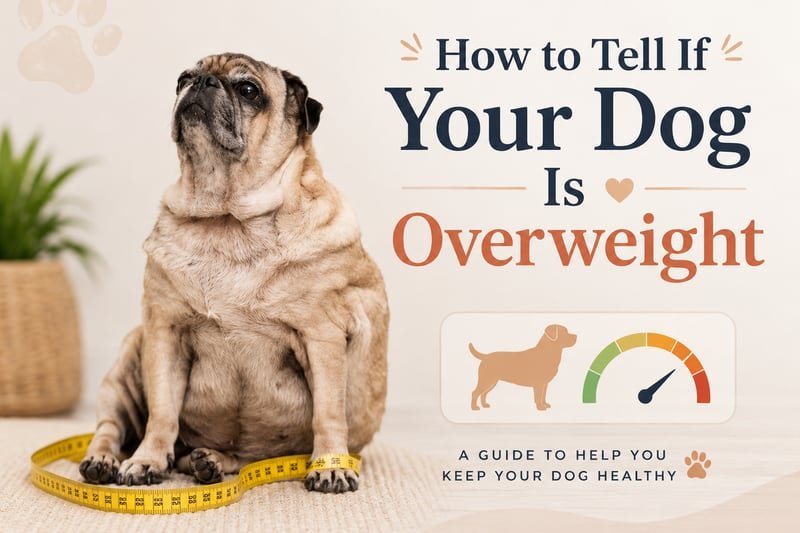
Do not assume the same cup volume provides the same calories after changing recipes. Read the new label and make food transitions gradually. For broader context, see Healthy Dog Weight Basics and how to check whether a dog may be overweight.
Why accurate portions matter for dog weight
Small measuring differences can accumulate when they happen at every meal. That matters particularly for a dog on a weight-loss plan, a small dog receiving small portions, or any dog whose body condition is changing unexpectedly.
Record grams when repeatability matters most. You can keep cups as a convenient secondary reference: “112 grams, approximately one level cup of this food.” That instruction remains clearer when different family members feed the dog and helps expose changes when a new kibble weighs differently by cup.
COMMON QUESTIONS
Dog food cups-per-pound FAQ
How many cups are in a pound of dry dog food?
About four cups is a rough estimate for some kibbles, but there is no universal number. Divide 453.6 by the grams in one cup of the specific food.
How do you calculate dog food cups per pound?
Weigh one level cup in grams, then divide 453.6 by that number. A food weighing 120 grams per cup provides about 3.78 cups per pound.
How many cups are in a 30-pound bag of dog food?
It depends on density. At 120 grams per cup, a 30-pound bag contains approximately 113.4 cups. Use the calculator with the grams-per-cup value for your food.
Is weighing dog food better than using a measuring cup?
A digital scale generally gives a more repeatable portion because it measures weight directly. Cups can vary with kibble shape, fill level, and technique.
Does cups per pound tell you how much to feed a dog?
No. It estimates food density and bag yield. Feeding amount depends on calories, label directions, and the individual dog's needs and body condition.
RESEARCH Research and references The conversion constant, label rules, example density, and cup-accuracy evidence are separated clearly.
Fact-checked August 21, 2026. Product formulations can change, so use the current package or manufacturer data for grams and calories per cup.
- Mass conversionNIST conversion factors: one pound equals 453.59237 gramsOpen source
- Calorie exampleAAFCO calorie-content calculation using 120 grams per cupOpen source
- Pet food labelsAAFCO guidance for calorie statements and feeding directionsOpen source
- Portion accuracyImprecision when using measuring cups to weigh out extruded dry kibbled foodOpen source
- Owner measurementsDog owners' accuracy using different dry-food measuring devicesOpen source
Use the conversion as a planning tool
Calculate bag yield, then track your dog's weight and body condition separately instead of treating cups per pound as a feeding target.