Adult weight
Read the adult reference in kg and lb
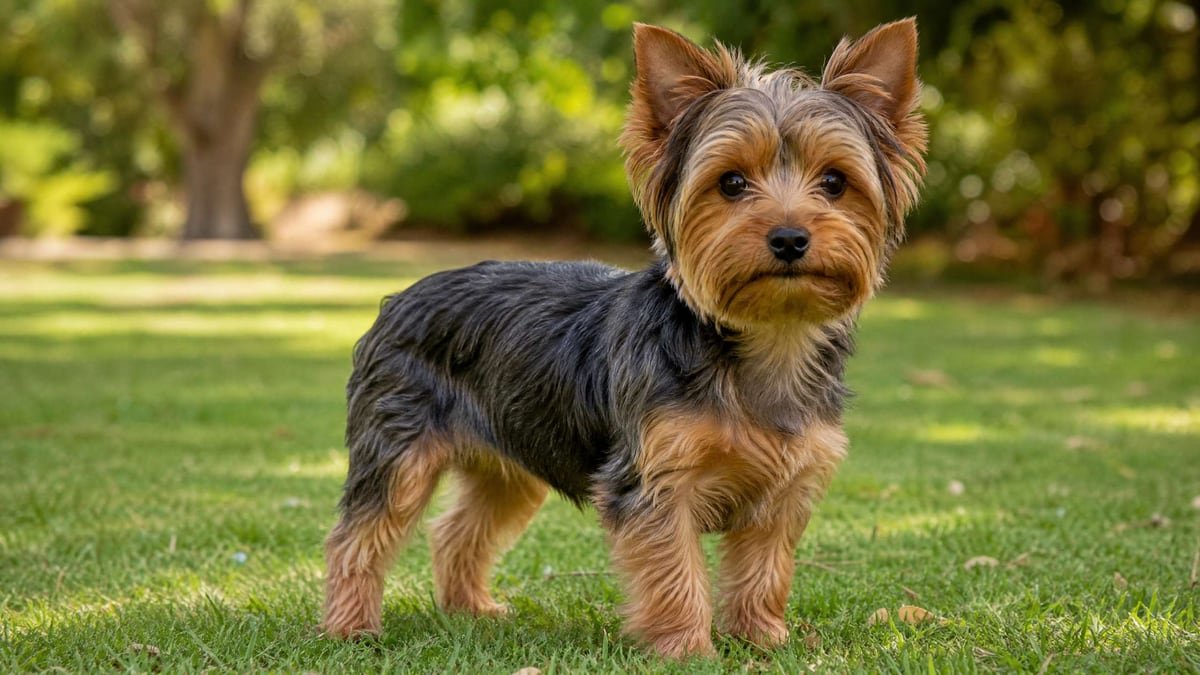
The AKC Yorkshire Terrier standard specifies a maximum of 7 lb (about 3.2 kg) and no minimum. It is a breed standard, not a reason to restrict food until every pet weighs less than 7 lb.

Calculators
Browse
Learn
Company & trust
Estimates only. Not veterinary advice.
Estimate your Yorkie's adult weight from its age and current weight. The Yorkshire Terrier standard sets a maximum of 7 lb (about 3.2 kg), with no minimum weight.
The breed standard is a size reference. A larger pet should not be put on a diet just to meet it.
Overview
Breed standard
Not over about 3.2 kg; no stated minimum
Not over 7 lb; no stated minimum
Size class
Toy breed
Matched size chart
Growth pace
Faster
Typical for this breed size
Check-in cadence
Weekly to monthly
Suggested rhythm
<16 w weekly | 16-32 w biweekly | 32 w+ monthly
Quick answers
Start with adult size, then use your own measurements to follow puppy growth.
Adult weight
The AKC Yorkshire Terrier standard specifies a maximum of 7 lb (about 3.2 kg) and no minimum. It is a breed standard, not a reason to restrict food until every pet weighs less than 7 lb.
Calculator
Open the calculator with Yorkshire Terrier selected, enter your puppy's age and current weight, and choose the correct units. The result is an adult-size estimate, not an assessment of whether your puppy is healthy.
Size labels
The AKC standard does not define separate teacup or miniature weight classes. Choose care and feeding for your individual puppy rather than aiming for a marketing label.
Puppy growth
There is no single monthly number that every puppy should reach. Compare repeat measurements with a suitable growth chart and body condition, and ask your veterinarian about a changed trend.
Adult weight reference
The AKC Yorkshire Terrier standard specifies a maximum of 7 lb (about 3.2 kg) and no minimum. It is a breed standard, not a reason to restrict food until every pet weighs less than 7 lb.
For puppy weights by age, follow measurements over time on a chart suited to sex and expected adult size. WALTHAM offers charts from 12 weeks; ask your veterinarian which chart to use.
| Reference | Adult weight |
|---|---|
| Adult Yorkshire Terrier breed standard | Not over 7 lb (about 3.2 kg); no minimum specified |
Maturity
Smaller dogs commonly reach adulthood around a year, but individual timing varies. Follow your dog's measurements and development when deciding whether to change food or activity.
Record weight and any changes in meals, activity or health. Bring the record to routine veterinary visits.
A slower rate of gain can be part of approaching maturity. Ask your veterinarian when a puppy growth diet should change.
Body condition
Use a scale precise enough for a small dog, subtract any carrier weight, and keep the unit consistent. Check the body beneath the coat.
Growth check
A good Yorkie growth trend shows steady appetite, bright energy, safe handling, and body condition you can confirm under the coat.
Tiny-puppy note
A Yorkie puppy that is not eating, is weak, or seems shaky should be discussed with a veterinarian promptly.
Weight factors
Yorkie weight is shaped by tiny frame size, meal timing, dental comfort, coat care, warmth, activity, and the household treat plan.
A small change can be a meaningful percentage of a Yorkie's body weight.
Young Yorkies often need scheduled small meals to support steady energy.
Small mouths can have retained teeth or dental discomfort that changes appetite.
A harness is often safer than collar pressure if coughing or trachea concerns appear.
Long coat and mats can hide thinness, padding, or skin irritation.
Breed snapshot
Temperament profile
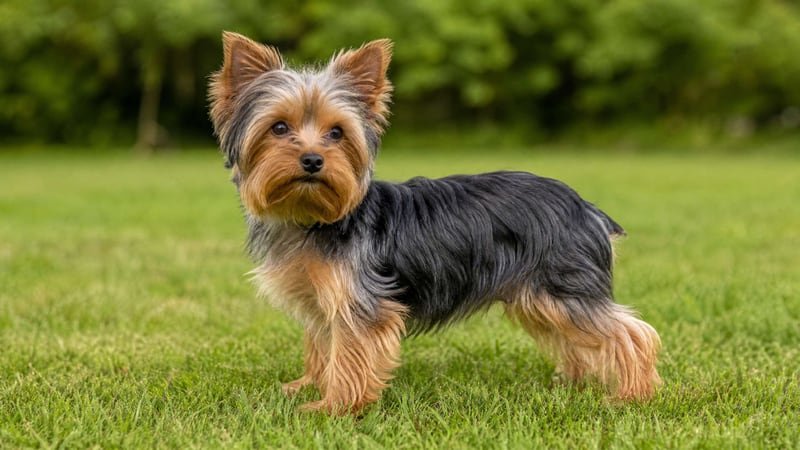
Yorkshire Terrier dogs are usually bold and alert, and their very small frame means even minor routine changes can move the scale.
Daily rhythm
Use short sessions, careful handling, and tiny rewards to avoid overfeeding.
Weight-tracking note
A small treat can be a large calorie event for a Yorkie
Use this page with
Calculator
Open the homepage calculator with Yorkshire Terrier selected and compare the live result with this guide.
Open calculatorSize chart
Explore the site's general size estimates. These are planning tools, not the official breed standard or a veterinary growth assessment.
Open size chartGuide
Review the core framework for trend tracking, body condition, and using ranges responsibly.
Open guideAge calculator
Use Yorkshire Terrier's usual adult-size band to compare dog age with human years.
Calculate ageRelated guides
Age guide
Read general growth context and the limits of age-based weight estimates.
Open age guideCondition
Use rib, waist, and tuck checks to decide whether Yorkshire Terrier's number looks healthy in real life.
Open condition guideMaturity
Compare Toy growth timing with the point when height, muscle, and fill-out usually slow.
Open timing guideHealthy range
Use trend tracking and routine notes to keep Yorkshire Terrier's estimate grounded.
Open basicsGrowth tracking
Stages
Use a consistent record as your puppy develops.
First weigh-in
Record the date, age, weight and units. Ask your veterinarian about expected adult size and an appropriate chart.
Repeat visits
Use a scale precise enough for a small dog, subtract any carrier weight, and keep the unit consistent. Check the body beneath the coat.
Approaching adulthood
Discuss feeding and activity as growth slows. Continued gain is not automatically a sign that more food is needed.
Feeding rules
Young Yorkies often need several tiny meals daily. Ask your vet before reducing meal frequency.
Use a precise scoop or kitchen scale because small errors matter.
Small kibble can fit tiny mouths and make portions easier to manage.
Watch stool, appetite, energy, and skin during any food change.
Hydration and warmth support comfort in a very small dog.
A harness avoids neck pressure and helps protect the trachea during leash work.
Feeding
Yorkie portions depend on age, adult target, food calories, appetite, dental comfort, and body condition under the coat.
Puppy rhythm
Young Yorkies often need frequent small meals to keep energy steady.
Treat rule
Break rewards into tiny pieces or use meal kibble during training.
Mouth check
Dental crowding or retained baby teeth can affect appetite and weight trends.
Daily life

Good fit for
Things to watch
Care
Use precise tiny meals, frequent puppy feeding, and crumb-sized rewards.
Short walks and safe indoor play support condition without overwhelming a delicate frame.
Brush the silky coat often and use grooming time to check ribs, skin, teeth, and nails.
Keep sessions short and confident, using tiny rewards and gentle handling.
Warning signs
Yorkies need precise body checks because long coat and tiny size can hide meaningful changes.
Similar breeds
Next step
Use age and current weight for a planning estimate. Track repeat measurements and discuss your dog's individual growth with your vet.
FAQ
The adult-size references are linked below. They do not supply the monthly puppy weights: puppy growth is assessed using repeat measurements, suitable growth charts and body condition.
Estimates only. Not veterinary advice.