Adult range
Most adult Shih Tzus are about 9-16 lb
The AKC profile and official Shih Tzu standard both place mature dogs in the 9-16 lb range. A healthy Shih Tzu should feel compact and solid, not round, padded, or rib-sharp under the coat.

Calculators
Browse
Learn
Company & trust
Estimates only. Not veterinary advice.
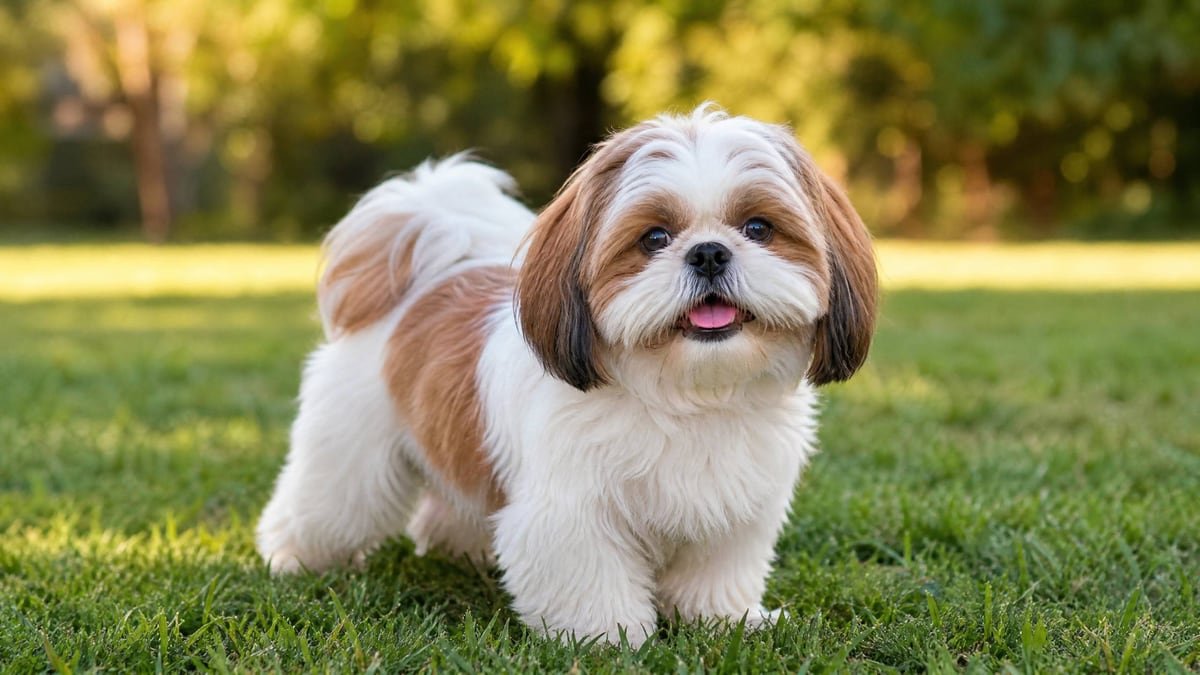
Shih Tzus are affectionate toy companions, but their coat and compact body can hide slow extra gain. This guide focuses on measured portions, grooming-based body checks, heat-aware activity, dental care, and the warning signs that matter for a short-muzzled lap dog.
A Shih Tzu's coat may look full even when the body underneath needs a portion change.
Overview
Adult range
4.1-7.3 kg
9-16.1 lb
Size class
Toy breed
Matched size chart
Growth pace
Faster
Typical for this breed size
Check-in cadence
Weekly to monthly
Suggested rhythm
<16 w weekly | 16-32 w biweekly | 32 w+ monthly
Quick answers
Use these answers when you need the practical version first. A Shih Tzu's healthiest weight depends on frame, rib feel, waist, muscle, coat length, breathing comfort, heat tolerance, dental comfort, activity, and your veterinarian's body-condition score.
Adult range
The AKC profile and official Shih Tzu standard both place mature dogs in the 9-16 lb range. A healthy Shih Tzu should feel compact and solid, not round, padded, or rib-sharp under the coat.
6 months
This chart places many 6-month Shih Tzus around 7-12 lb, but frame size and sex create normal variation. Repeated weigh-ins and rib checks are more useful than one isolated number.
Full grown
Weight often slows before the first birthday. Coat, muscle, dental comfort, activity routine, and body condition can keep changing after the scale looks stable.
Body check
Part the coat and use your hands to check ribs and waist. Because Shih Tzus are brachycephalic, extra weight can also show up as earlier panting, heat sensitivity, and reduced comfort on walks.
Weight by age
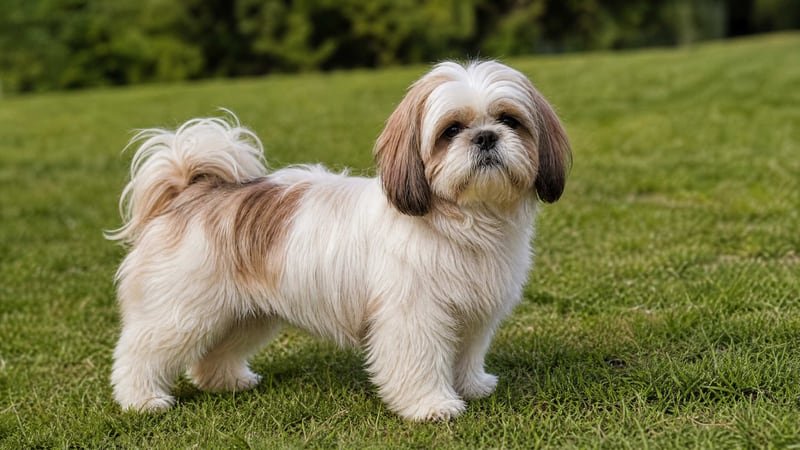
Shih Tzus are toy dogs with a compact, sturdy body. Many adults fall around 9-16 lb, but coat length can make a dog look larger than the body underneath.
Use the chart with hands-on checks. A healthy Shih Tzu should have ribs you can feel, a waist you can find, and enough comfort for short daily movement.
| Age | Typical Range | Body-Condition Note |
|---|---|---|
| 2 months | 2-4 lb (0.9-1.8 kg) | Frequent meals and gentle handling |
| 3 months | 3-6 lb (1.4-2.7 kg) | Fast toy-breed growth |
| 4 months | 5-8 lb (2.3-3.6 kg) | Coat starts hiding shape |
| 5 months | 6-10 lb (2.7-4.5 kg) | Treats begin to matter |
| 6 months | 7-12 lb (3.2-5.4 kg) | Check waist under coat |
| 8 months | 8-14 lb (3.6-6.4 kg) | Adult outline forming |
| 10 months | 9-16 lb (4.1-7.3 kg) | Growth slowing |
| 12 months | 9-16 lb (4.1-7.3 kg) | Adult range for many dogs |
| 18 months | 9-16 lb (4.1-7.3 kg) | Maintain lean comfort |
Maturity
Shih Tzus usually mature faster than large breeds, but their adult routine depends on coat care, breathing comfort, dental care, and portion control.
The puppy is gaining quickly and learning grooming, handling, and meal routines.
Many Shih Tzus look close to adult shape, but the coat can hide whether condition is lean or soft.
Weight should begin stabilizing. Treat discipline becomes more important than adding more food.
Measured meals, grooming checks, dental care, and short daily exercise keep slow extra gain from becoming normal.
Key takeaway
Shih Tzus can carry good substance, but ribs, waist, breathing comfort, and movement should stay easy.
Growth check
A healthy Shih Tzu trend combines steady weight, clear breathing comfort, good grooming condition, and a body you can assess under the coat.
Heat note
For a short-muzzled Shih Tzu, portion control and cooler short activity are safer than pushing long hot walks.
Weight factors
Shih Tzu weight is shaped by compact frame, coat length, treat habits, heat-safe exercise, dental comfort, and knee health.
A Shih Tzu should be sturdy for its size, but sturdy does not mean padded.
A full coat can make body shape hard to judge, so use brushing and grooming time for body checks.
Heat, humidity, and extra weight can reduce breathing comfort and safe exercise time.
Dental disease can affect appetite, chewing, and overall comfort.
Luxating patella signs or reduced walks can lower activity and shift weight.
Breed snapshot
Temperament profile
Shih Tzu dogs are usually affectionate and calm, and their very small frame means even minor routine changes can move the scale.
Daily rhythm
Consistency and calm positive reinforcement work best for routine habits.
Weight-tracking note
Coat can hide weight gain until the waist is already soft
Use this page with
Calculator
Open the homepage calculator with Shih Tzu selected and compare the live result with this guide.
Open calculatorSize chart
Use the Toy size chart to compare the broader checkpoint range behind this breed guide.
Open size chartGuide
Review the core framework for trend tracking, body condition, and using ranges responsibly.
Open guideAge calculator
Use Shih Tzu's usual adult-size band to compare dog age with human years.
Calculate ageRelated guides
Age guide
Compare Shih Tzu checkpoints with month-by-month puppy growth context before reading the breed graph.
Open age guideCondition
Use rib, waist, and tuck checks to decide whether Shih Tzu's number looks healthy in real life.
Open condition guideMaturity
Compare Toy growth timing with the point when height, muscle, and fill-out usually slow.
Open timing guideHealthy range
Use trend tracking and routine notes to keep Shih Tzu's estimate grounded.
Open basicsGrowth
Growth graph
Male and female Shih Tzu dogs grow at different rates through the first year.
Chart span
1-12 months
Breed-specific monthly view
Male at 12 months
5.7 kg
12.5 lb
Female at 12 months
5.7 kg
12.5 lb
Re-check cadence
1-2 weeks early
Trend beats one weigh-in
This breed-specific chart tracks the average monthly line for male and female Shih Tzu puppies from 1-12 months. Steady progress matters more than one weigh-in.
Calculator bridge
Open the homepage calculator with Shih Tzu selected, add the latest weigh-in, then compare the result back against this guide.
What this means
When to re-check
Re-check a Shih Tzu every 2 weeks during active growth, then monthly once adult routine, grooming, and meals are stable.
Next action
Most useful after a fresh weigh-in, then compare the result back against this breed graph and the matching size chart.
Stages
Shih Tzu growth is compact and companion-focused, with grooming, face care, and portion control becoming habits early.
Birth - 8 weeks
Puppies depend on breeder care, stable weaning, and gentle handling before coming home.
2 - 4 months
Meals are frequent, and calm brushing, face handling, and socialization should become normal.
4 - 7 months
Growth is still active, and coat length can start hiding the waist. Keep treats small and planned.
7 - 10 months
The body is close to adult shape for many Shih Tzus. Monitor heat comfort and knee movement.
10 - 12 months
Growth slows. Adult portion habits and dental care become more important.
12+ months
Adult care centers on measured meals, short walks, grooming, dental care, and heat awareness.
Feeding rules
Toy breeds can gain slowly from small extras, so portions need a consistent plan.
Training rewards, table bites, and dental chews all count toward total calories.
Use short walks and play when breathing and temperature are comfortable.
Use puppy food during growth and transition to adult food when maturity and your vet's guidance line up.
Watch stool, skin, appetite, and tear or face irritation during diet changes.
Fresh water is important, especially in warm weather and after play.
Feeding
Shih Tzu portions depend on adult target, food calories, body condition under the coat, heat-safe activity, and treat use.
Puppy rhythm
Young puppies often need several meals, while many adults do well with two measured meals.
Treat plan
This breed loves praise and treats, but small rewards should be counted because calories add up fast.
Grooming check
Confirm ribs and waist by hand before changing portions based on appearance.
Daily life
Good fit for
Things to watch
Care
Use measured meals and strict treat limits because rewards add up fast in this toy breed.
Short daily walks and play are useful, but avoid heat and watch breathing comfort.
Brush and trim regularly so mats, skin irritation, and body-condition changes are not hidden.
Use positive reinforcement with tiny rewards, praise, and short sessions that fit this companion breed.
Warning signs
Shih Tzus need coat-aware checks because long hair can hide body shape and slow extra gain.
Similar breeds
Next step
Use live age and weight inputs, then compare the result with this breed guide and its matching size chart.
FAQ
This page combines official Shih Tzu size references, parent-club health guidance, veterinary brachycephalic-airway resources, feeding practice references, body-condition guidance, dental context, and knee-health references. It is a tracking guide, not a diagnosis.
Estimates only. Not veterinary advice.