Small breed

Pug Weight Chart & Growth Guide

Updated weekly

Pugs should be solid, not soft. Because their short muzzle, heat sensitivity, food motivation, and skin folds make extra weight more risky, this guide reads the growth chart through breathing comfort, measured meals, safe exercise, eye and skin checks, and a body-condition target that keeps the dog playful without padding.

For a Pug, healthy weight is airway care, heat care, joint care, and skin care all at once.

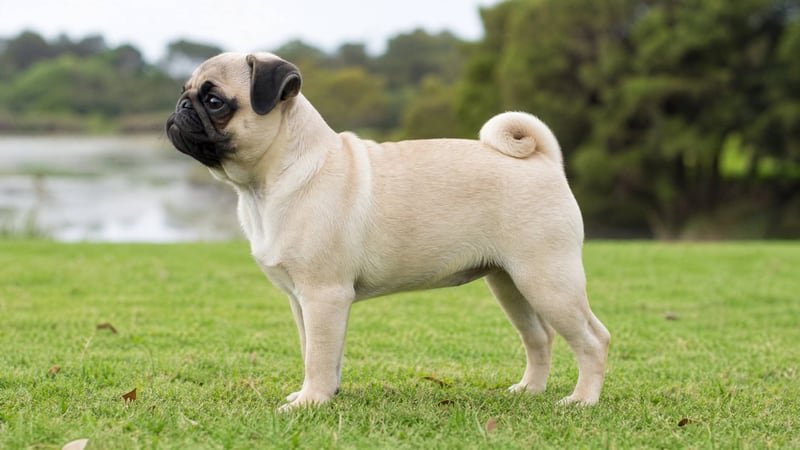
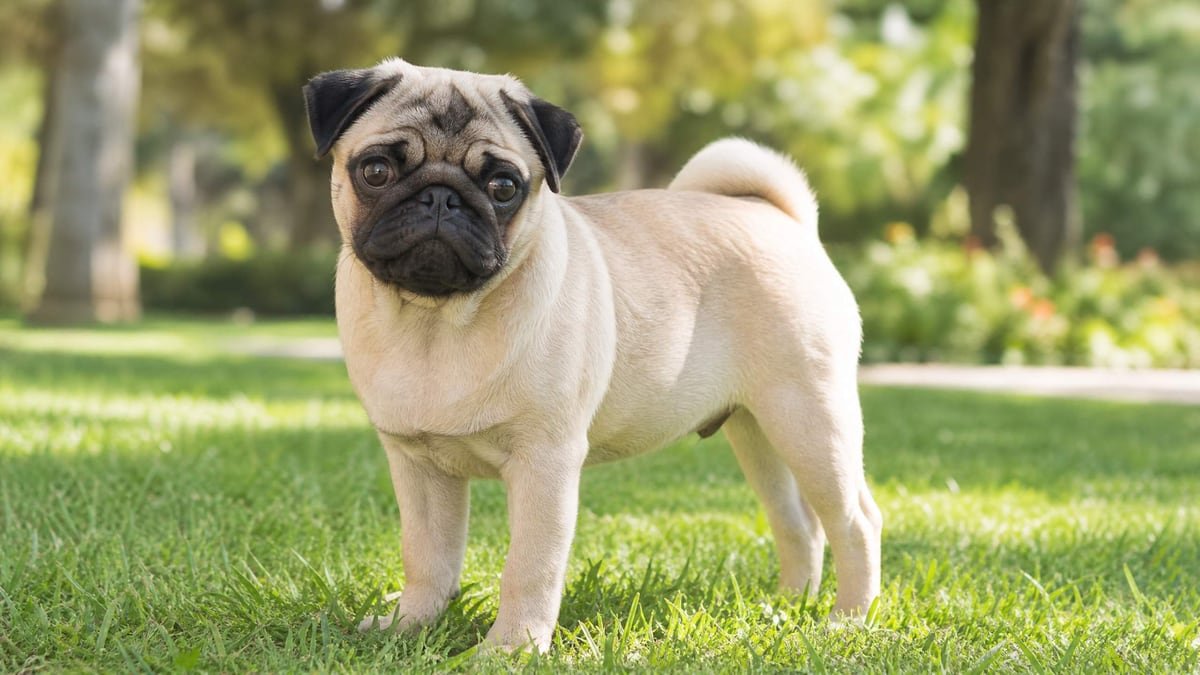
Pug puppy for the Pug weight chart and growth guide

Life Span

Adult range

6-8 kg

13.2-17.6 lb

Size class

Small breed

Matched size chart

Growth pace

Faster

Typical for this breed size

Check-in cadence

Weekly to monthly

Suggested rhythm

<16 w weekly | 16-32 w biweekly | 32 w+ monthly

Pug Weight Chart by Age

Many adult Pugs fall around 14-18 lb, but healthy Pug weight is not about looking round. The dog should be compact, solid, and able to breathe and move comfortably.

Use this chart with treat logs, breathing notes, skin-fold checks, and heat tolerance.

AgeTypical Male WeightTypical Female Weight
2 months3-5 lb (1.4-2.3 kg)3-5 lb (1.4-2.3 kg)
3 months5-8 lb (2.3-3.6 kg)4-7 lb (1.8-3.2 kg)
4 months7-11 lb (3.2-5 kg)6-10 lb (2.7-4.5 kg)
5 months9-13 lb (4.1-5.9 kg)8-12 lb (3.6-5.4 kg)
6 months11-15 lb (5-6.8 kg)10-14 lb (4.5-6.4 kg)
8 months13-17 lb (5.9-7.7 kg)12-16 lb (5.4-7.3 kg)
10 months14-18 lb (6.4-8.2 kg)13-17 lb (5.9-7.7 kg)
12 months14-18 lb (6.4-8.2 kg)14-18 lb (6.4-8.2 kg)
18 months14-18 lb (6.4-8.2 kg)14-18 lb (6.4-8.2 kg)

When Does a Pug Stop Growing?

Pugs often reach most height before the first birthday, then adult condition depends heavily on portions, heat-safe exercise, and body condition.

2-5 months

Compact puppy stage

The frame fills quickly, and meal habits are established early.

5-9 months

Sturdy adolescent

The Pug begins looking adult, but extra treats can hide as normal roundness.

9-12 months

Adult outline

Height is close to mature for many dogs, while weight habits keep changing.

12+ months

Breathing-friendly condition

Adult care focuses on lean weight, heat safety, skin folds, and moderate activity.

Solid is healthy; round is risky.

A Pug should have feelable ribs and a manageable waist because extra weight can make breathing and heat harder.

Signs Your Pug Is Growing Well

A healthy Pug trend supports playful movement, normal breathing comfort, and clean skin folds.

Positive signs

  • Ribs are easy to feel under light cover.
  • Waist is present even with a compact body.
  • Breathing returns to normal after moderate play.
  • Skin folds stay clean and dry.
  • Eyes look comfortable, clear, and protected.

Worth monitoring

  • Breathing noise, snoring, or heat intolerance increases.
  • Weight rises while exercise is limited by weather.
  • Face folds become red, damp, smelly, or painful.
  • Eyes are red, cloudy, injured, or held closed.
  • Treats and table food become part of the daily routine.

Weight changes breathing margin.

Keeping a Pug lean is one of the most practical ways to support daily comfort.

What Affects a Pug's Weight?

Pug weight is shaped by appetite, short-muzzle heat limits, activity tolerance, skin folds, joints, and how carefully treats are controlled.

Airway

Short muzzle limits hard exercise

Pugs may not burn off extra calories through intense workouts safely.

Appetite

Food motivation

Many Pugs gain quickly when treats, scraps, or free-feeding are allowed.

Heat

Weather changes activity

Hot or humid weeks may require less food because safe exercise drops.

Skin

Fold comfort

Skin irritation can reduce play and hide weight-related friction.

Eyes

Eye comfort affects behavior

Eye problems can change activity and should be checked promptly.

Joints

Lean weight protects movement

Extra weight increases stress on knees, hips, spine, and daily comfort.

Why this breed needs context

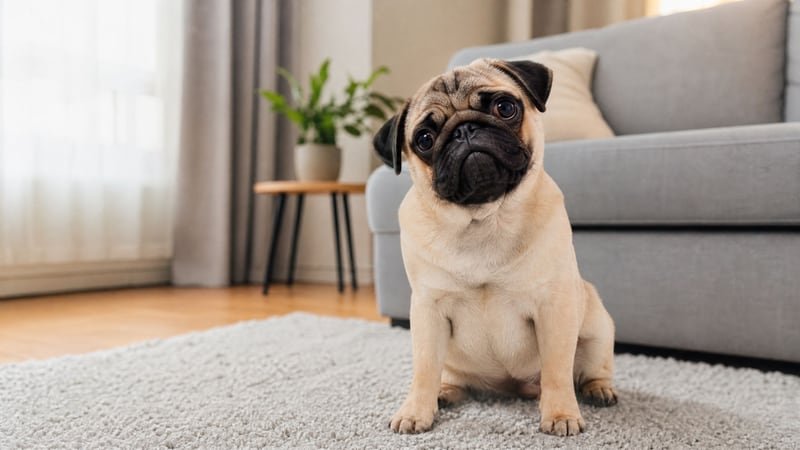
Pug puppy body condition snapshot for growth tracking
Faster early settling<16 w weekly | 16-32 w biweekly | 32 w+ monthly

Charming • Companion • Food-motivated

Pug dogs are usually charming and companion, and their compact frame makes measured meals and repeat check-ins especially useful.

Medium energy, Low grooming

Use short positive sessions and keep treats tiny because compact frames gain quickly.

Best read through repeat check-ins

Extra weight can worsen breathing and heat tolerance

Updated weeklyPlanning estimates onlyView sourcesEditorial policy

Keep the next step obvious

Run a live estimate

Open the homepage calculator with Pug selected and compare the live result with this guide.

Open calculator

Open the matching size chart

Use the Small size chart to compare the broader checkpoint range behind this breed guide.

Open size chart

Read healthy weight basics

Review the core framework for trend tracking, body condition, and using ranges responsibly.

Open guide

Pug Growth and Weight Chart

Pug growth chart

Use this small companion-dog reference to compare Pug growth from 1 to 12 months.

Breed-specific monthly chart

Chart span

1-12 months

Breed-specific monthly view

Male at 12 months

-- kg

-- lb

Female at 12 months

-- kg

-- lb

Re-check cadence

1-2 weeks early

Trend beats one weigh-in

Monthly reference 1-12 months
Pug growth chart Breed-specific growth chart for Pug from 1 through 12 months in kg.0246810123456789101112 Upper-frame Pug Lower-frame Pug Age (months) Weight (kg)
Male line Female line

This breed-specific chart tracks the average monthly line for male and female Pug puppies from 1-12 months. Steady progress matters more than one weigh-in.

Want a live estimate from your dog's current age and weight?

Open the homepage calculator with Pug selected, add the latest weigh-in, then compare the result back against this guide.

How to read this graph for Pug

  • Use the male line for male puppies and the female line for female puppies, because Pug dogs often grow at different rates through the first year.
  • Month-to-month progress matters more than one high or low weigh-in, especially during the faster early-growth months.
  • Use the live calculator after repeat weigh-ins, then compare the result back to this breed-specific chart to confirm the trend is still moving steadily.

<16 w weekly | 16-32 w biweekly | 32 w+ monthly

Re-check a Pug every 2 to 3 weeks during growth, and sooner if breathing, heat tolerance, skin folds, food intake, or activity changes.

Run the live estimate with this breed selected

Most useful after a fresh weigh-in, then compare the result back against this breed graph and the matching size chart.

Pug Growth Stages Explained

Pug growth blends small-frame development, appetite control, breathing comfort, skin-fold care, and heat-safe activity.

Early breeder care

Weaning, breathing observation, and early records provide the baseline.

Meal routine stage

Start measured meals, gentle play, face handling, and safe indoor routines.

Fast compact growth

The puppy fills out quickly, so watch ribs and treats rather than accepting roundness.

Adult look appears

Heat-safe exercise, skin-fold care, and food control become the main focus.

Lean companion maintenance

Adult care centers on breathing comfort, weight, skin folds, eyes, nails, and moderate play.

Feeding Rules Every Pug Owner Should Know

Rule 1

Measure meals strictly

A small daily excess can become a breathing and heat problem.

Rule 2

Avoid free-feeding

Scheduled meals make appetite and weight easier to monitor.

Rule 3

Keep exercise calm around meals

Short-muzzle dogs do best with calm meal timing and safe activity.

Rule 4

Use life-stage food

Puppy, adult, and senior foods have different calorie targets.

Rule 5

Hydrate in warm weather

Water, shade, and cool indoor rest are part of weight care.

Rule 6

Change food gradually

Track stool, skin folds, appetite, and weight during changes.

How Much Should I Feed My Pug?

Pug portions depend on age, frame, food calories, treats, activity tolerance, weather, breathing comfort, and body condition.

Measured portions - heat-aware activity - tiny rewards

Build portion discipline early

A Pug puppy can look cute and round, but steady lean growth is safer.

Use praise and tiny bites

Training food should be small enough to count inside the day's plan.

Feed the activity you can safely do

Hot weather can reduce safe movement, so do not keep portions high out of habit.

Temperament & daily fit

Pug puppy daily life photo for healthy weight guidance
CharmingCompanionFood-motivated

Homes that match this breed

  • Homes wanting a charming companion with moderate exercise needs
  • Owners who can protect against overheating and overfeeding
  • People ready for face-fold, eye, nail, and body-condition checks

What can change the trend

  • Extra weight can worsen breathing and heat tolerance
  • Food motivation can push weight up quickly
  • Skin folds, eyes, and breathing signs need routine attention

Care routine

Feeding

Measure meals closely, limit treats, and keep body condition lean for breathing comfort.

Exercise

Use short walks and indoor play, avoiding heat, humidity, and hard exercise around meals.

Grooming

Brush the short coat, clean face folds as advised, and monitor eyes, nails, skin, and breathing.

Training

Use tiny rewards, praise, and calm routines that do not overheat the dog.

Warning Signs: Is Your Pug Overweight or Underweight?

Pugs are compact, but extra padding should not be treated as part of the breed.

Signs of extra weight

  • Ribs are hard to feel
  • Waist disappears behind a rounded body
  • Breathing noise or snoring increases
  • Heat tolerance worsens
  • Skin folds stay damp or irritated
  • The dog tires quickly during normal short walks

Signs of too little weight

  • Ribs, spine, or hips look sharp
  • Muscle over shoulders or thighs feels thin
  • Appetite drops or vomiting occurs
  • Energy is low even in cool weather
  • Stool changes with weight loss
  • A health problem or stress change matches the weight drop

Compare similar guides

Run the estimate with Pug selected

Use live age and weight inputs, then compare the result with this breed guide and its matching size chart.

Frequently asked questions

Many Pugs fall around 14-18 lb (6-8 kg), but ribs, waist, breathing comfort, and heat tolerance matter more than a single number.

Many 6-month Pugs are around 10-15 lb (4.5-6.8 kg), depending on frame and sex.

Many Pugs are close to adult size by 10-12 months, then adult condition depends on food and exercise habits.

Extra weight can worsen breathing, overheating, joint stress, skin-fold irritation, and stamina.

Use short cool-weather walks and indoor play. Avoid heat, humidity, and hard exercise.

Track treats, ribs, waist, breathing noise, heat tolerance, skin folds, eyes, stool, activity, and recovery.

Call your vet for breathing trouble, overheating, collapse, eye injury, fast weight gain, repeated skin-fold irritation, limping, vomiting, or diarrhea.

Estimates only. Not veterinary advice.