Small breed

Miniature Poodle Weight Chart & Growth Guide

Updated weekly

Miniature Poodles may be small, but they are not low-effort lap dogs. Their healthy growth depends on lean portions, plenty of movement, puzzle-style mental work, and coat care that lets you actually feel the body under the curls.

The scale is most useful when paired with a hands-on check under the curls.

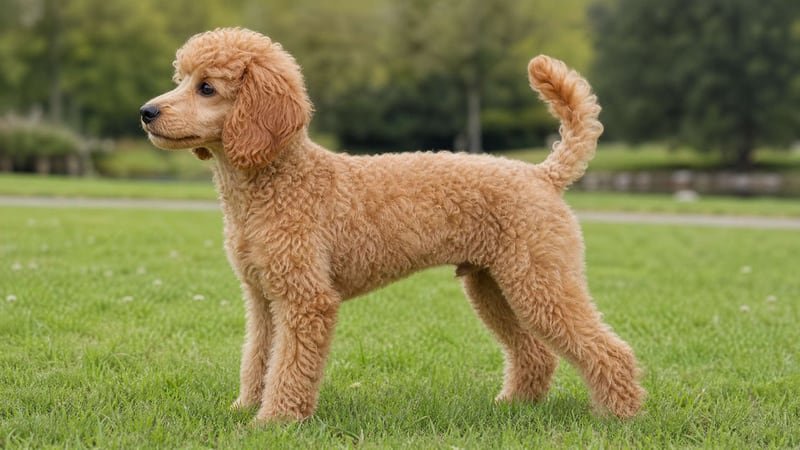
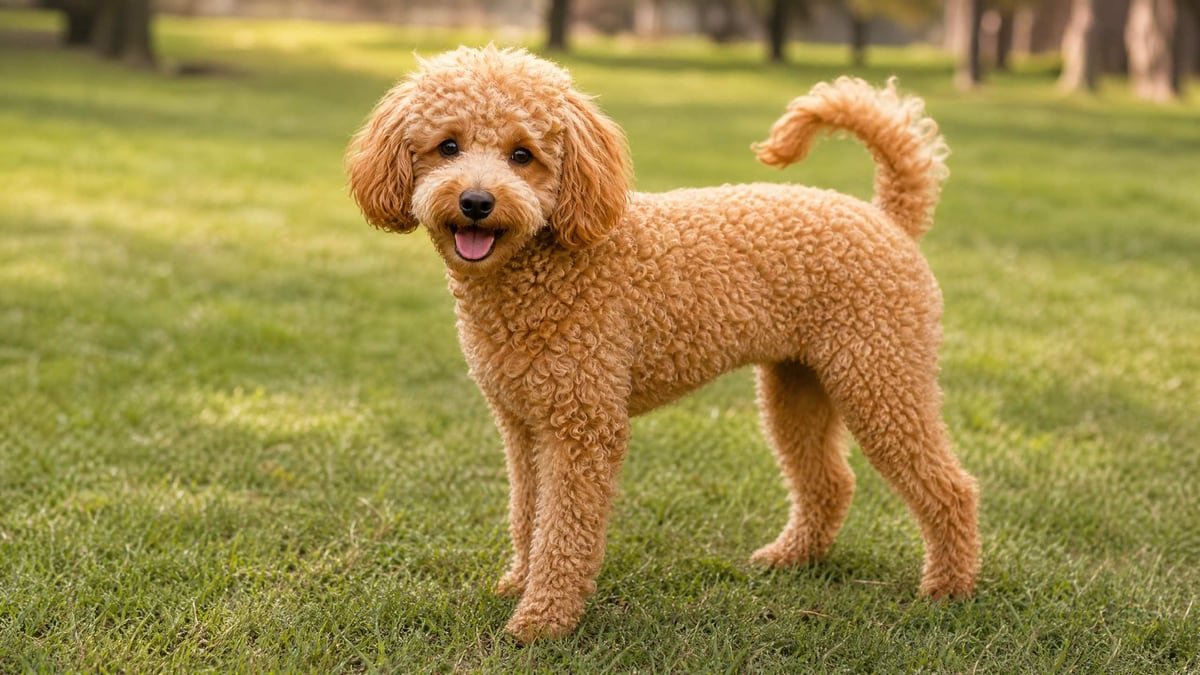
Miniature Poodle puppy for the Miniature Poodle weight chart and growth guide

Life Span

Adult range

5-9 kg

11-19.8 lb

Size class

Small breed

Matched size chart

Growth pace

Faster

Typical for this breed size

Check-in cadence

Weekly to monthly

Suggested rhythm

<16 w weekly | 16-32 w biweekly | 32 w+ monthly

Miniature Poodle Weight Chart by Age

Miniature Poodles are measured by height more than weight in breed standards, so individual weight varies with frame. This site uses a practical adult range around 11-20 lb for many Miniature Poodles.

A Miniature Poodle should feel lean, springy, and well-muscled under the curls. The coat can hide shape, so always pair the chart with a hands-on body-condition check.

AgeTypical RangeBody-Condition Note
2 months3-5 lb (1.4-2.3 kg)Tiny frame, ribs easy to feel
3 months4-7 lb (1.8-3.2 kg)Gaining steadily, not round
4 months6-9 lb (2.7-4.1 kg)Leggy and active stage
5 months7-11 lb (3.2-5 kg)Waist should remain clear
6 months8-13 lb (3.6-5.9 kg)Treat calories start to matter
8 months10-16 lb (4.5-7.3 kg)Adult outline forming
10 months11-18 lb (5-8.2 kg)Growth slows; condition matters
12 months11-20 lb (5-9.1 kg)Near adult size for many dogs
18 months11-20 lb (5-9.1 kg)Maintain lean muscle

When Does a Miniature Poodle Stop Growing?

Miniature Poodles often finish most height earlier than large breeds, but their adult muscle, coat routine, and body condition continue to settle afterward.

6-8 months

Fast height change slows

Many puppies are already close to adult height, though they may still look narrow or puppyish.

8-12 months

Adult outline appears

The dog begins to look more balanced. This is where training treats and missed exercise can start showing as soft condition.

12-18 months

Muscle and coat mature

Lean muscle develops with walks, swimming, play, and training. Coat maintenance becomes part of reading condition accurately.

Adult years

Routine drives weight

Adult Miniature Poodles stay easiest to manage when food, activity, grooming, dental care, and enrichment are predictable.

Do not read a Miniature Poodle by coat shape alone.

A fresh trim can make the same dog look thinner, while a fluffy coat can hide extra gain or matting. Use your hands.

Signs Your Miniature Poodle Is Growing Well

A healthy Miniature Poodle trend combines lean weight, bright energy, clean skin under the coat, and comfortable movement.

Positive signs

  • Ribs are easy to feel under the curls without sharpness.
  • Waist is present when the coat is parted or felt from above.
  • Puppy wants to walk, play, learn tricks, and explore.
  • Coat is brushed free of mats and skin looks calm.
  • Ears stay dry and comfortable after baths or swimming.
  • Weight rises gradually instead of jumping after treat-heavy training.

Worth monitoring

  • Ribs become hard to find after the coat is parted.
  • Matting hides skin irritation, sores, or body-shape changes.
  • Limping, skipping, or reluctance to jump or play appears.
  • Ear odor, head shaking, or wax builds up after water exposure.
  • Bored behavior increases while exercise or training has dropped.

Brush, then judge body condition.

For Miniature Poodles, grooming is part of weight tracking because curls can hide both health problems and condition changes.

What Affects a Miniature Poodle's Weight?

Miniature Poodle weight is shaped by height, activity, coat care, dental comfort, and the reward system used in training.

Frame

Height varies inside the variety

Miniature Poodles are defined by height, so two healthy dogs can differ in weight if one is taller or more muscular.

Coat

Curls hide condition

A fluffy coat can make a lean dog look larger and can hide extra fat unless you check ribs and waist by hand.

Training

Treat frequency

This breed learns quickly, which is wonderful, but repeated food rewards need to be tiny and counted.

Activity

Walks, swimming, and tricks

Miniature Poodles often burn energy through mixed physical and mental work, not just short potty walks.

Health

Teeth, knees, ears, and skin

Dental discomfort, knee issues, ear irritation, or skin problems can reduce activity and change the weight trend.

Why this breed needs context

Miniature Poodle puppy body condition snapshot for growth tracking
Faster early settling<16 w weekly | 16-32 w biweekly | 32 w+ monthly

Smart • Active • Responsive

Miniature Poodle dogs are usually smart and active, and their compact frame makes measured meals and repeat check-ins especially useful.

High energy, High grooming

Mental enrichment plus predictable meal timing helps support stable growth.

Best read through repeat check-ins

Curly coat can hide both matting and body-condition drift

Updated weeklyPlanning estimates onlyView sourcesEditorial policy

Keep the next step obvious

Run a live estimate

Open the homepage calculator with Miniature Poodle selected and compare the live result with this guide.

Open calculator

Open the matching size chart

Use the Small size chart to compare the broader checkpoint range behind this breed guide.

Open size chart

Read healthy weight basics

Review the core framework for trend tracking, body condition, and using ranges responsibly.

Open guide

Miniature Poodle Growth and Weight Chart

Miniature Poodle male & female growth chart

Male and female Miniature Poodle dogs grow at different rates through the first year.

Breed-specific monthly chart

Chart span

1-12 months

Breed-specific monthly view

Male at 12 months

7.7 kg

17 lb

Female at 12 months

5.7 kg

12.5 lb

Re-check cadence

1-2 weeks early

Trend beats one weigh-in

Monthly reference 1-12 months
Miniature Poodle male & female growth chart Breed-specific growth chart for Miniature Poodle from 1 through 12 months in kg.0123456789123456789101112 Male Female Age (months) Weight (kg)
Male line Female line

This breed-specific chart tracks the average monthly line for male and female Miniature Poodle puppies from 1-12 months. Steady progress matters more than one weigh-in.

Want a live estimate from your dog's current age and weight?

Open the homepage calculator with Miniature Poodle selected, add the latest weigh-in, then compare the result back against this guide.

How to read this graph for Miniature Poodle

  • Use the male line for male puppies and the female line for female puppies, because Miniature Poodle dogs often grow at different rates through the first year.
  • Month-to-month progress matters more than one high or low weigh-in, especially during the faster early-growth months.
  • Use the live calculator after repeat weigh-ins, then compare the result back to this breed-specific chart to confirm the trend is still moving steadily.

<16 w weekly | 16-32 w biweekly | 32 w+ monthly

Re-check a Miniature Poodle every 2 weeks during active growth, and sooner after a grooming change, diet change, or drop in activity.

Run the live estimate with this breed selected

Most useful after a fresh weigh-in, then compare the result back against this breed graph and the matching size chart.

Miniature Poodle Growth Stages Explained

Miniature Poodles grow quickly, but the adult routine is built around movement, grooming, dental care, and mental work.

Early care and weaning

Puppies depend on breeder care, early handling, and stable weaning before moving into a home routine.

Home foundation

Meals are frequent, socialization matters, and gentle grooming practice should begin early.

Active learner stage

Energy and curiosity increase. Use walks, puzzle games, short training, and calm coat handling.

Adult outline

Growth slows, but the dog may still be building muscle and confidence. Avoid letting treats replace measured meals.

Final condition setting

The adult body settles. Grooming, dental care, and exercise consistency become the main weight-control tools.

Maintenance

Adult care centers on lean portions, regular trims, mental enrichment, and hands-on body checks.

Feeding Rules Every Miniature Poodle Owner Should Know

Rule 1

Use measured small portions

Small frames leave little room for scoop errors, especially when several people reward the dog during training.

Rule 2

Count training rewards

Miniature Poodles learn fast and earn many rewards, so use tiny treats or part of the meal ration.

Rule 3

Match food to life stage

Use puppy food during growth and adult food after maturity unless your veterinarian recommends another plan.

Rule 4

Plan for baths and swimming

Keep water available during play, then dry the ears and coat after water exposure.

Rule 5

Change foods slowly

Watch stool, appetite, skin, and ears during diet transitions before deciding whether the new food fits.

Rule 6

Feed around activity, not boredom

If the dog is restless, add training or enrichment first. Do not use snacks as the main boredom fix.

How Much Should I Feed My Miniature Poodle?

Miniature Poodle portions depend on height, adult target, activity, food calories, and body condition under the coat.

Small portions - counted rewards - coat-aware checks

3-4 meals early, then two meals

Young puppies often do best with frequent meals. Many adults settle into two measured meals daily.

Use meal kibble for training

This keeps training frequent without adding extra calories every time the dog learns something new.

Feel through the curls

Part the coat, feel ribs and waist, and check skin before adjusting portions.

Temperament & daily fit

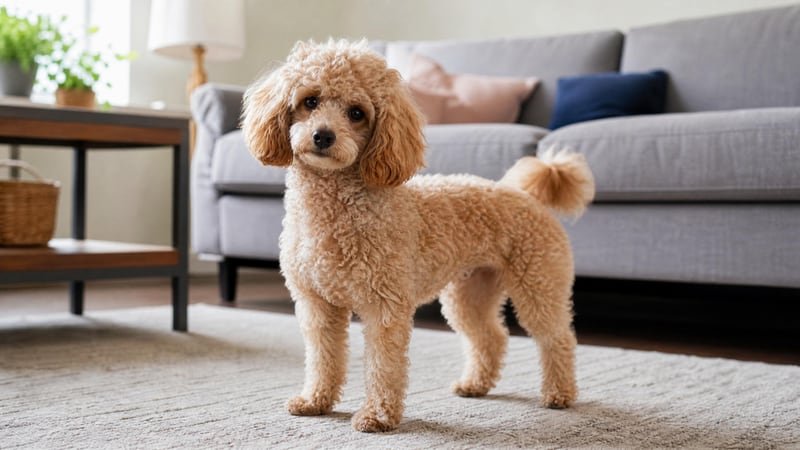
Miniature Poodle puppy daily life photo for healthy weight guidance
SmartActiveResponsive

Homes that match this breed

  • Owners who enjoy training, tricks, and puzzle games
  • Homes that can keep a regular grooming and brushing schedule
  • Families wanting a small dog with real athletic energy

What can change the trend

  • Curly coat can hide both matting and body-condition drift
  • Treat-heavy training can move the scale quickly on a small frame
  • Boredom or missed exercise can change appetite, behavior, and weight

Care routine

Feeding

Use measured small-breed meals and count training rewards, because Miniature Poodles learn fast and earn many treats.

Exercise

Plan daily walks, play, swimming, tricks, or agility-style games to match this breed's busy brain.

Grooming

Brush curls often and schedule regular trims so mats do not hide skin, ribs, or waist changes.

Training

Keep training varied and upbeat; this breed often thrives when food rewards, praise, and problem-solving are mixed.

Warning Signs: Is Your Miniature Poodle Overweight or Underweight?

Miniature Poodles need hands-on checks because coat volume can make body shape misleading.

Signs of extra weight

  • Ribs are hard to feel through coat and padding
  • Waist disappears when the coat is parted
  • Dog tires quickly during normal walks or play
  • Skipping or knee discomfort appears more often
  • Grooming becomes harder because mats form around padded areas
  • Training treats have increased while meal portions stayed the same

Signs of too little weight

  • Ribs, spine, or hip points feel sharp under the coat
  • Muscle over shoulders or thighs looks thin after grooming
  • Energy drops for normal play or training
  • Coat looks dull or skin becomes flaky
  • Weight stalls across repeated checkpoints
  • Appetite changes or dental discomfort affects eating

Compare similar guides

Run the estimate with Miniature Poodle selected

Use live age and weight inputs, then compare the result with this breed guide and its matching size chart.

Frequently asked questions

Many Miniature Poodles fall around 11-20 lb (5-9 kg), though height and frame matter because the variety is defined by height. Use body condition with the number.

Many 6-month Miniature Poodles are around 8-13 lb (3.6-5.9 kg), but a taller or smaller-frame puppy may be outside that range and still healthy.

Many are close to adult height by 8-12 months, then continue building muscle, coat maturity, and adult condition through about 12-18 months.

The curly coat can hide ribs, waist, matting, and skin changes. Brush first, then use your hands to check body condition.

Yes for their size. They usually need daily walks, play, training, and mental enrichment, not only couch time.

Track rib feel, waist, grooming schedule, mats, skin, ears after water, dental comfort, activity, and training treat calories.

Call your vet if weight changes quickly, your puppy limps, stops eating well, has repeated ear or skin problems, or seems unusually flat or restless.

Estimates only. Not veterinary advice.