Small breed

Miniature American Shepherd Weight Chart & Growth Guide

Updated weekly

Miniature American Shepherds pack a lot of herding-dog energy into a compact body. This guide focuses on small-to-medium growth, coat-aware body checks, workload-matched feeding, training reward discipline, and health context such as eyes, hips, and MDR1 drug sensitivity.

A Mini American weight check should include what the dog did that week, not only what the scale says.

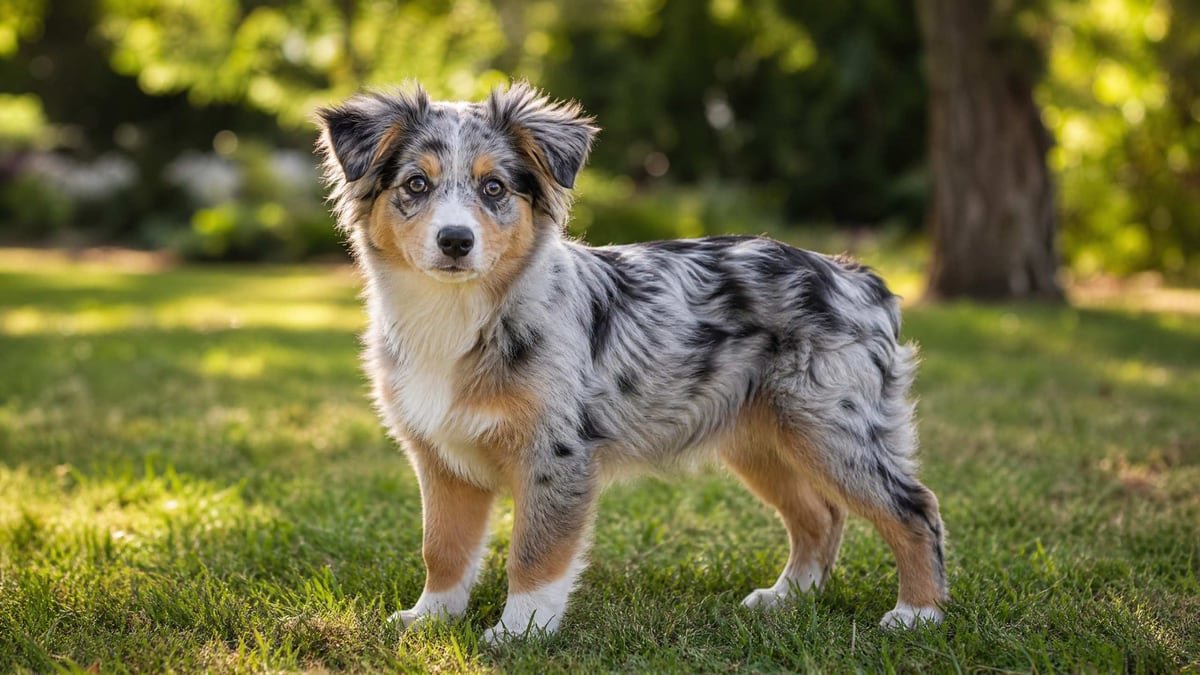
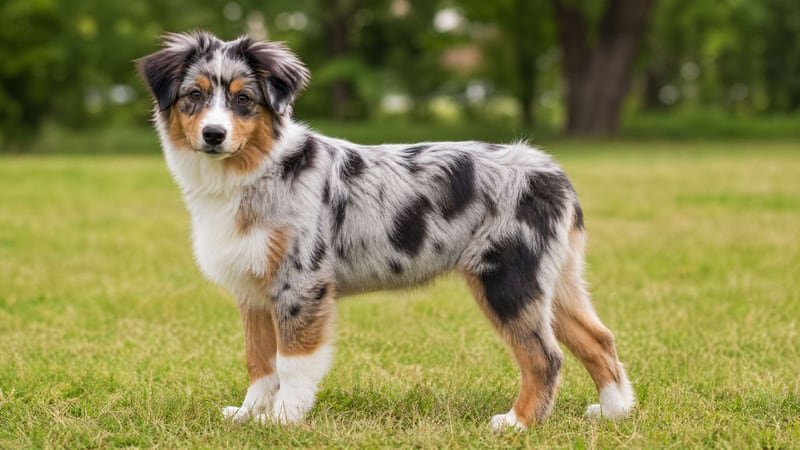
Miniature American Shepherd puppy for the Miniature American Shepherd weight chart and growth guide

Life Span

Adult range

9.1-18.1 kg

20.1-39.9 lb

Size class

Small breed

Matched size chart

Growth pace

Faster

Typical for this breed size

Check-in cadence

Weekly to monthly

Suggested rhythm

<16 w weekly | 16-32 w biweekly | 32 w+ monthly

Miniature American Shepherd weight quick answers

Use these answers when you need the practical version first. A Miniature American Shepherd's healthiest weight depends on height, sex, frame, moderate bone, rib feel, waist, muscle, coat, agility, workload, reward use, medication context, and your veterinarian's body-condition and health-screening guidance.

Many adult Miniature American Shepherds are about 20-40 lb

This page uses about 20-40 lb (9.1-18.1 kg) as the practical adult planning range. The breed standard focuses on height, moderate bone, agility, and balance, so a healthy dog should look compact and athletic rather than heavy, slight, or soft under the coat.
A 6-month Miniature American Shepherd is often about 18-31 lb

This chart places many 6-month Miniature American Shepherds around 18-31 lb (8.2-14.1 kg). Read that checkpoint with expected adult height, sex, frame, coat, ribs, waist, thigh muscle, activity, rest, appetite, stool, and training rewards.

Many Miniature American Shepherds are near adult height by 12 months

The outline may look adult around the first birthday, while muscle, coat, stamina, focus, and adult condition often keep settling through about 18 months.

The double coat can hide both padding and thinness

Brush and part the coat before judging condition. Ribs should be easy to feel, the waist should be findable, and the dog should move smoothly without looking bulky or under-muscled.

Growth notes should include MAS health-screening context

Useful records include hip results, annual eye exams, PRA-PRCD, MDR1, HSF-4 cataracts, NAD status where known, elbow and patella comfort, dentition, merle/color breeding context, medication notes, appetite, stool, gait, and recovery. Sudden changes need veterinary guidance.

Miniature American Shepherd Weight Chart by Age

Miniature American Shepherds are compact herding dogs. Adult size varies, and many fall around 20-40 lb depending on sex, height, and frame.

Read the chart with workload and coat checks. A compact dog can still become padded if training rewards and reduced activity stack up.

AgeMale WeightFemale Weight
2 months6-10 lb (2.7-4.5 kg)5-9 lb (2.3-4.1 kg)
3 months10-16 lb (4.5-7.3 kg)8-14 lb (3.6-6.4 kg)
4 months14-22 lb (6.4-10 kg)12-19 lb (5.4-8.6 kg)
5 months18-27 lb (8.2-12.2 kg)15-23 lb (6.8-10.4 kg)
6 months21-31 lb (9.5-14.1 kg)18-27 lb (8.2-12.2 kg)
8 months25-36 lb (11.3-16.3 kg)21-32 lb (9.5-14.5 kg)
10 months28-40 lb (12.7-18.1 kg)23-35 lb (10.4-15.9 kg)
12 months28-40 lb (12.7-18.1 kg)25-38 lb (11.3-17.2 kg)
18 months28-40 lb (12.7-18.1 kg)25-38 lb (11.3-17.2 kg)

When Does a Miniature American Shepherd Stop Growing?

Mini Americans often look close to adult size before mental maturity, coat, and working condition are fully developed.

5-8 months

Compact frame growth

The puppy gains strength and speed while still needing protected rest and structured exercise.

8-12 months

Adult outline appears

Height and outline are close for many dogs, but muscle and coat still settle.

12-18 months

Conditioning stage

Training, activity, and recovery shape adult athletic condition.

Adult years

Workload maintenance

Adult portions should reflect real activity, not the breed's busy reputation alone.

Compact does not mean low energy.

Food, training, rest, and mental work all shape the weight trend.

Signs Your Miniature American Shepherd Is Growing Well

Healthy growth shows lean condition, bright focus, normal recovery, and body shape you can confirm under the coat.

Positive signs

  • Ribs are easy to feel through the coat.
  • Waist is findable when the coat is parted.
  • Puppy recovers normally after age-appropriate training and play.
  • Stool and appetite stay steady after food changes.
  • Coat and skin look healthy during brushing.
  • Rewards are small enough that training does not add a meal.

Worth monitoring

  • Weight rises quickly after training rewards increase.
  • Ribs become hard to feel under coat and padding.
  • Limping, paw soreness, or slow recovery appears.
  • Energy drops, appetite changes, or stool problems persist.
  • Vision changes or medication reactions occur.

Mental work changes the routine.

Puzzle work, training, and settle practice can reduce restlessness without adding calories.

What Affects a Miniature American Shepherd's Weight?

Mini American weight is shaped by height, sex, activity, double coat, reward use, genetics, and health comfort.

Frame

Compact size range

Two healthy Mini Americans can differ noticeably if one is taller or more muscular.

Workload

Herding-dog activity

Training, play, hiking, and rest weeks can change calorie needs.

Coat

Double-coat illusion

A full coat can hide ribs, waist, skin irritation, or padding.

Health

Eyes, hips, and MDR1

Eye concerns, orthopedic comfort, and drug sensitivity context belong in vet conversations.

Training

Reward discipline

Smart dogs learn fast, but repeated food rewards can exceed the plan.

Why this breed needs context

Miniature American Shepherd puppy body condition snapshot for growth tracking
Faster early settling<16 w weekly | 16-32 w biweekly | 32 w+ monthly

Smart • Active • Responsive

Miniature American Shepherd dogs are usually smart and active, and their compact frame makes measured meals and repeat check-ins especially useful.

High energy, Medium grooming

Pair mental enrichment with measured activity and portion-aware rewards.

Best read through repeat check-ins

Double coat can hide early gain or thinness

Updated weeklyPlanning estimates onlyView sourcesEditorial policy

Keep the next step obvious

Run a live estimate

Open the homepage calculator with Miniature American Shepherd selected and compare the live result with this guide.

Open calculator

Open the matching size chart

Use the Small size chart to compare the broader checkpoint range behind this breed guide.

Open size chart

Read healthy weight basics

Review the core framework for trend tracking, body condition, and using ranges responsibly.

Open guide

Miniature American Shepherd Growth and Weight Chart

Miniature American Shepherd male and female growth chart

Use this compact herding-dog line as a reference from 1 to 12 months.

Breed-specific monthly chart

Chart span

1-12 months

Breed-specific monthly view

Male at 12 months

17 kg

37.5 lb

Female at 12 months

15 kg

33.1 lb

Re-check cadence

1-2 weeks early

Trend beats one weigh-in

Monthly reference 1-12 months
Miniature American Shepherd male and female growth chart Breed-specific growth chart for Miniature American Shepherd from 1 through 12 months in kg.05101520123456789101112 Male Female Age (months) Weight (kg)
Male line Female line

This breed-specific chart tracks the average monthly line for male and female Miniature American Shepherd puppies from 1-12 months. Read with coat, workload, and reward notes.

Want a live estimate from your dog's current age and weight?

Open the homepage calculator with Miniature American Shepherd selected, add the latest weigh-in, then compare the result back against this guide.

How to read this graph for Miniature American Shepherd

  • Use the male line for male puppies and the female line for female puppies, because Miniature American Shepherd dogs often grow at different rates through the first year.
  • Month-to-month progress matters more than one high or low weigh-in, especially during the faster early-growth months.
  • Use the live calculator after repeat weigh-ins, then compare the result back to this breed-specific chart to confirm the trend is still moving steadily.

<16 w weekly | 16-32 w biweekly | 32 w+ monthly

Re-check a Miniature American Shepherd every 2 to 3 weeks during growth, and sooner after training, reward, or exercise changes.

Run the live estimate with this breed selected

Most useful after a fresh weigh-in, then compare the result back against this breed graph and the matching size chart.

Miniature American Shepherd Growth Stages Explained

Mini American growth combines compact athletic development with fast learning and coat changes.

Early foundation

Puppies depend on breeder care, handling, and early social exposure before coming home.

Home routine

Start meals, socialization, brushing, crate rest, and simple cues.

Fast learner stage

Energy rises quickly. Use short training, play, sniffing, and settle practice.

Teen herder

The dog may want more work than the body is ready for, so build recovery and manners.

Conditioning window

Muscle, coat, stamina, and focus settle with balanced work and rest.

Active adult

Adult care centers on measured food, mental work, brushing, and workload-aware check-ins.

Feeding Rules Every Miniature American Shepherd Owner Should Know

Rule 1

Count training rewards

Use tiny treats, meal kibble, toys, and praise so training does not become extra food.

Rule 2

Use scheduled meals

Measured meals make growth and activity changes easier to compare.

Rule 3

Use life-stage food

Feed puppy food during growth and transition when maturity and vet advice align.

Rule 4

Feed after calm recovery

Let the dog cool down after active play before a full meal.

Rule 5

Hydrate on active days

Offer water during hikes, play, warm weather, and training.

Rule 6

Change diets gradually

Watch stool, skin, appetite, energy, and weight during food changes.

How Much Should I Feed My Miniature American Shepherd?

Mini American portions depend on age, adult size, food calories, activity, training rewards, and body condition under the coat.

Compact frame - high workload - counted rewards

Regular meals while growing

Predictable meals help separate growth from training-reward drift.

Match food to the real week

A heavy training week and a quiet weather week may not need the same calories.

Train without calorie creep

Use meal kibble or non-food rewards when sessions are frequent.

Temperament & daily fit

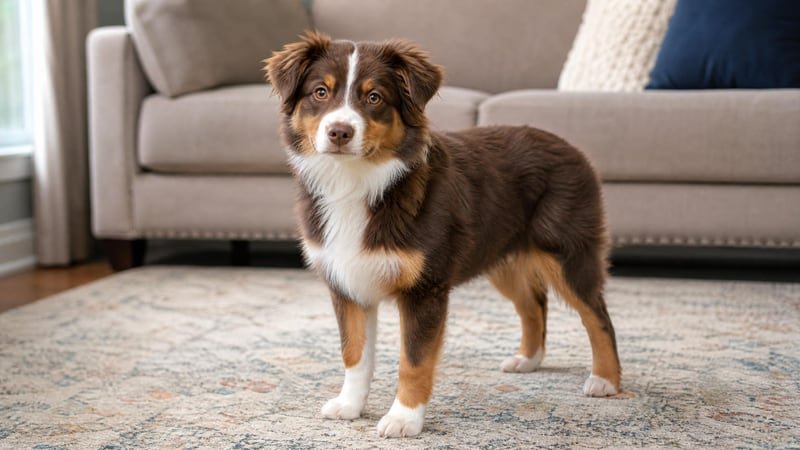
Miniature American Shepherd puppy daily life photo for healthy weight guidance
SmartActiveResponsive

Homes that match this breed

  • Active homes that enjoy training, games, and daily enrichment
  • Owners who can manage a smart dog without overfeeding rewards
  • People prepared for brushing and hands-on body-condition checks

What can change the trend

  • Double coat can hide early gain or thinness
  • High drive can mask fatigue if rest is skipped
  • MDR1 drug sensitivity and eye issues are worth discussing with your vet

Care routine

Feeding

Adjust measured meals around activity and keep training rewards tiny.

Exercise

Use age-appropriate movement, problem-solving games, and rest during growth spurts.

Grooming

Brush routinely and check ribs, waist, skin, paws, and coat under the fluff.

Training

Use short varied sessions that channel herding focus without endless food rewards.

Warning Signs: Is Your Miniature American Shepherd Overweight or Underweight?

Mini Americans should feel compact and athletic under the coat.

Signs of extra weight

  • Ribs are hard to feel through coat and padding
  • Waist softens when coat is parted
  • Dog tires sooner during normal training
  • Movement looks heavier or slower
  • Weight rises after rewards or rest days increase
  • Tail base or shoulders feel padded

Signs of too little weight

  • Ribs, spine, or hips feel sharp under the coat
  • Muscle over shoulders or thighs looks thin
  • Energy fades before normal work is done
  • Recovery takes longer than expected
  • Appetite stays high but weight falls
  • Coat quality or stool changes appear

Compare similar guides

Run the estimate with Miniature American Shepherd selected

Use live age and weight inputs, then compare the result with this breed guide and its matching size chart.

Frequently asked questions

Many adult Miniature American Shepherds are about 20-40 lb (9.1-18.1 kg). The right point depends on height, sex, frame, moderate bone, muscle, coat, workload, and your veterinarian's body-condition score.

Many 6-month Miniature American Shepherds are around 18-31 lb (8.2-14.1 kg), depending on expected adult height, sex, frame, appetite, activity, rest, and body condition.

Many are close to adult height by about 12 months, then continue building adult muscle, coat, stamina, focus, and condition through about 18 months.

The standard lists males at 14-18 inches and females at 13-17 inches at the withers. Height, proportion, and moderate bone explain weight differences better than the scale alone.

Not always. A taller, well-muscled male may sit near 40 lb, but 40 lb can be too heavy for a smaller dog. Check ribs, waist, tail base, shoulder padding, gait, and stamina before deciding.

It can be normal for a smaller adult within the height range, especially if the dog has moderate bone and good muscle. Sharp ribs, poor coat, low energy, weight loss, diarrhea, or appetite changes need a vet check.

Many people use the nickname Mini Aussie, but the AKC breed page is Miniature American Shepherd. For this page, use the MAS standard and 20-40 lb adult planning range rather than assuming all small Australian Shepherd-type dogs match.

The medium double coat can make a lean dog look fuller or hide early padding. Brush and part the coat, then feel ribs, waist, tail base, shoulders, and thigh muscle with your hands.

The standard calls for smooth, free, easy movement with agility and balance. Limping, stiffness, short steps, reluctance to turn, or slow recovery can point to pain, conditioning problems, or weight stress.

They are compact herding dogs with high mental and physical drive. Training, hiking, agility, rest weeks, weather, and reward use can all change weekly calorie needs.

Smart dogs can earn many rewards in one session. Use tiny pieces, meal kibble, toys, praise, and short sessions so training does not quietly add an extra meal.

Yes. MASCUSA lists MDR1 DNA testing among required MAS health tests, and OFA describes MDR1 as a drug-sensitivity issue involving the ABCB1 gene. Share test status with your vet before medications.

Ask a vet urgently about vomiting, diarrhea, lethargy, tremors, ataxia, excess salivation, seizures, breathing trouble, or collapse after medication or parasite-control exposure.

MASCUSA lists annual ACVO eye exams and PRA-PRCD, HSF-4 hereditary cataracts, and other eye-related testing context. Vision changes can alter activity, confidence, appetite, and safety during training.

Track limping, bunny-hopping, stiffness after rest, reluctance to jump or climb, uneven stride, and reduced stamina. MASCUSA lists hips as required testing and elbows as recommended testing for the breed.

They can. MASCUSA recommends patellar luxation and dentition evaluations. Knee discomfort, skipping steps, mouth pain, retained teeth, or chewing changes can affect activity, appetite, and weight trends.

MASCUSA lists Neuroaxonal Dystrophy, Miniature American Shepherd type, among required health tests. Ask your breeder and veterinarian about test records and discuss any unusual weakness, coordination, or neurologic signs.

No. Merle color does not set weight. MASCUSA notes the M locus for safe breeding practices, while weight should still be judged by height, moderate bone, ribs, waist, muscle, movement, and veterinary context.

Track ribs, waist, thigh muscle, gait, stamina, recovery, coat, skin, stool, appetite, training rewards, workload, rest days, eye changes, medication notes, and any hip, elbow, or patella concerns.

Call your vet for lameness, stiffness, vision changes, medication reactions, sudden weight gain or loss, appetite changes, persistent digestive upset, poor recovery, neurologic signs, or pain during normal activity.
ResearchResearch & referencesOfficial standards, parent-club health guidance, and veterinary sources (7 sources).

This page combines AKC breed data, the MASCUSA breed standard, parent-club health testing guidance, OFA MDR1 drug-sensitivity information, veterinary feeding guidance, and nutrition-assessment principles. It is a tracking guide, not a diagnosis.

  • Breed profileAKC Miniature American Shepherd profileOpen
  • Breed standardMASCUSA Miniature American Shepherd breed standardOpen
  • Health testingMASCUSA breed health guideOpen
  • Drug sensitivityOFA Multiple Drug Sensitivity (MDR1) referenceOpen
  • Official standardAKC Official Standard of the Miniature American ShepherdOpen
  • Feeding practiceMerck Veterinary Manual feeding practicesOpen
  • Body conditionWSAVA Global Nutrition GuidelinesOpen

Estimates only. Not veterinary advice.