Adult range
Most adult Cardigans are about 25-38 lb
AKC lists males at 30-38 lb and females at 25-34 lb. Cardigans are often heavier-bodied than people expect, but the dog should still have a defined waist.

Calculators
Browse
Learn
Company & trust
Estimates only. Not veterinary advice.
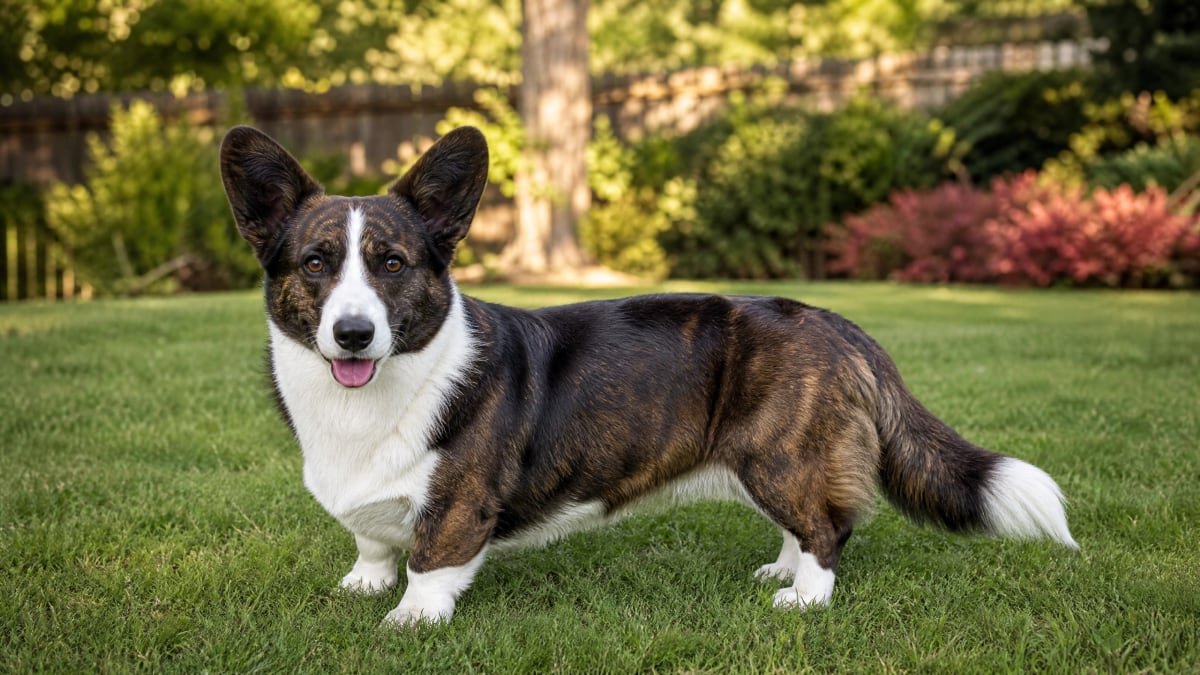
Cardigan Welsh Corgis grow into sturdy, long-bodied herding dogs with a low frame. This guide connects the weight chart with rib and waist checks, back comfort, stair and jumping habits, food rewards, and the importance of keeping a low-set dog lean enough to move well.
A healthy Cardigan Welsh Corgi should feel sturdy but clearly waisted, with comfortable movement.
Overview
Adult range
11-17 kg
24.3-37.5 lb
Size class
Small breed
Matched size chart
Growth pace
Faster
Typical for this breed size
Check-in cadence
Weekly to monthly
Suggested rhythm
<16 w weekly | 16-32 w biweekly | 32 w+ monthly
Quick answers
Start here if you need the practical answer. Cardigans are sturdy, low-set dogs, so healthy weight is about balance, waist, and movement, not just being light.
Adult range
AKC lists males at 30-38 lb and females at 25-34 lb. Cardigans are often heavier-bodied than people expect, but the dog should still have a defined waist.
Growth timing
A Cardigan may be close to adult height by around one year, but chest, muscle, coat, and adult condition can keep settling into 15-18 months.
Best check
The illustrated standard emphasizes balance. At home, that means feelable ribs, a definite waist, a modest tuck, smooth gait, and no extra padding hiding the low outline.
Back-aware
Cardigans are built long and low. Keep treats measured, use controlled jumping habits, and call your vet for back pain, limping, dragging feet, or sudden stair refusal.
Weight by age
Cardigan Welsh Corgis grow into sturdy, moderately heavy-boned herding dogs with a long, low outline. The healthiest trend is steady growth with a waist, easy movement, and comfortable stairs or low-impact activity.
Use this chart as planning context, not a medical target. Males usually finish heavier than females, and a Cardigan can be substantial without being padded.
| Age | Male Weight | Female Weight |
|---|---|---|
| 8 weeks | 7-10 lb (3.2-4.5 kg) | 6-9 lb (2.7-4.1 kg) |
| 3 months | 10-14 lb (4.5-6.4 kg) | 9-13 lb (4.1-5.9 kg) |
| 4 months | 13-18 lb (5.9-8.2 kg) | 11-16 lb (5-7.3 kg) |
| 5 months | 16-22 lb (7.3-10 kg) | 14-19 lb (6.4-8.6 kg) |
| 6 months | 18-25 lb (8.2-11.3 kg) | 16-22 lb (7.3-10 kg) |
| 8 months | 22-30 lb (10-13.6 kg) | 19-27 lb (8.6-12.2 kg) |
| 10 months | 25-34 lb (11.3-15.4 kg) | 22-30 lb (10-13.6 kg) |
| 12 months | 27-36 lb (12.2-16.3 kg) | 24-32 lb (10.9-14.5 kg) |
| 15-18 months | 30-38 lb (13.6-17.2 kg) | 25-34 lb (11.3-15.4 kg) |
Maturity
Cardigan growth is not just about height. The puppy may look low and long early, but chest, rib, muscle, coat, and adult condition keep changing after the fastest stage.
Weight and length change quickly. Start measured meals early and track treats so the puppy does not become padded during the rapid stage.
The breed silhouette becomes more obvious. Watch gait, stair comfort, rib feel, waist, and jumping habits while the body is still maturing.
Many Cardigans are close to adult height by this window, but chest, muscle, and condition may still be developing.
Weight should settle toward the adult range while the waist, tuck, coat, muscle, and movement become more stable.
Key takeaway
A Cardigan should be sturdy, powerful, and low-set, but the body should not run straight from shoulders to hips without a waist.
Growth check
A healthy Cardigan trend is sturdy, smooth-moving, and clearly waisted. Use these checks with the chart and your veterinarian's advice.
Owner check
During grooming, feel ribs, waist, shoulders, hips, back line, skin, and muscle so the coat and low body shape do not hide condition changes.
Weight factors
Cardigan weight is shaped by sex, length, bone, muscle, coat, food, treats, activity, stairs, and health. The chart works best when those notes sit beside each weigh-in.
AKC lists males at 30-38 lb and females at 25-34 lb. A smaller female can be normal, while a larger male may still be healthy if body condition is ideal.
The illustrated standard describes an ideal length-to-height ratio around 1.8:1. That long outline needs a defined waist, not extra padding.
Cardigans are moderately heavy-boned and powerful for their height, but the standard still emphasizes balance, movement, and a waist.
A short dog can gain quickly from snacks, chews, table food, and training rewards. Count them before changing the main meal.
Track jumping, stairs, ramps, gait, and recovery. New pain, weakness, dragging feet, or sudden mobility change belongs with a veterinarian, not the calculator.
A Cardigan's coat can make weight gain less obvious. Hands-on rib and waist checks are more useful than looking from across the room.
Breed snapshot
Temperament profile
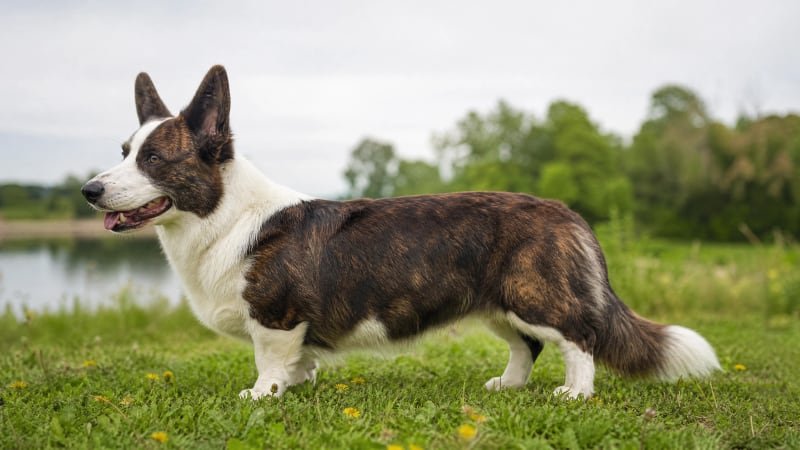
Cardigan Welsh Corgi dogs are usually low-set and herding, and their compact frame makes measured meals and repeat check-ins especially useful.
Daily rhythm
Use herding-style games, leash manners, and small measured rewards.
Weight-tracking note
Extra weight can stress a long back
Use this page with
Calculator
Open the homepage calculator with Cardigan Welsh Corgi selected and compare the live result with this guide.
Open calculatorSize chart
Use the Small size chart to compare the broader checkpoint range behind this breed guide.
Open size chartGuide
Review the core framework for trend tracking, body condition, and using ranges responsibly.
Open guideAge calculator
Use Cardigan Welsh Corgi's usual adult-size band to compare dog age with human years.
Calculate ageRelated guides
Age guide
Compare Cardigan Welsh Corgi checkpoints with month-by-month puppy growth context before reading the breed graph.
Open age guideCondition
Use rib, waist, and tuck checks to decide whether Cardigan Welsh Corgi's number looks healthy in real life.
Open condition guideMaturity
Compare Small growth timing with the point when height, muscle, and fill-out usually slow.
Open timing guideHealthy range
Use trend tracking and routine notes to keep Cardigan Welsh Corgi's estimate grounded.
Open basicsGrowth
Growth graph
Cardigan Welsh Corgis are long, low, sturdy herding dogs, so this chart separates male and female reference lines and keeps the focus on waist, movement, and back comfort.
Chart span
2-18 months
Breed-specific monthly view
Male at 18 months
17 kg
37.5 lb
Female at 18 months
15.4 kg
34 lb
Re-check cadence
1-2 weeks early
Trend beats one weigh-in
This breed-specific chart tracks the average monthly line for male and female Cardigan Welsh Corgi puppies from 2-18 months. Use the line as a planning reference. A healthy Cardigan trend still depends on ribs, waist, tuck, muscle, back comfort, appetite, stool, activity, and veterinary exams.
Calculator bridge
Open the homepage calculator with Cardigan Welsh Corgi selected, add the latest weigh-in, then compare the result back against this guide.
What this means
When to re-check
Re-check a Cardigan Welsh Corgi every 2 to 4 weeks during growth, and sooner after food, treat, activity, or mobility changes.
Next action
Most useful after a fresh weigh-in, then compare the result back against this breed graph and the matching size chart.
Stages
These stages help owners protect a low-set herding dog's waist and movement while it grows into adult balance.
8-12 weeks
Record starting weight, food brand, meal amount, stool quality, appetite, breeder notes, and early vet findings.
3-5 months
Use measured meals, tiny rewards, and calm handling. Begin noting stairs, jumping, gait, and back comfort.
5-8 months
The body looks longer and sturdier. Watch that ribs remain findable and the waist does not disappear.
8-12 months
Many Cardigans are close to adult height. Keep activity regular and avoid letting adult appetite create extra padding.
12-18 months
Weight usually stabilizes near the adult range. Adjust portions around body condition, activity, treats, and mobility.
Adult
Maintain a sturdy dog with a definite waist, smooth gait, comfortable stairs, and easy recovery.
Feeding rules
Feed a complete and balanced puppy food during growth, then transition to adult maintenance with your veterinarian's guidance.
Use a measuring cup or kitchen scale. A small overpour can matter in a short dog whose adult range is only about 25-38 lb.
Each weigh-in should include ribs, waist, tuck, muscle, coat, stool, appetite, gait, stairs, and recovery notes.
Herding games and manners work are useful, but rewards still add calories. Keep pieces tiny and subtract frequent food rewards when needed.
Slow food transitions make stool, appetite, coat, and weight easier to interpret and keep the growth log cleaner.
If walks, play, stairs, or jumping change because of weather, schedule, soreness, or age, review portions after several trend points.
Feeding
The exact amount depends on calories per cup, age, sex, body condition, activity, treats, mobility, and your veterinarian's plan.
Puppy
Use measured meals and monitor the waist as the puppy grows. A round puppy belly should not become a hidden habit of overfeeding.
Adolescent
Training rewards, chews, and table scraps can quickly move the trend. Keep rewards tiny and log frequent extras.
Adult
Adjust portions around walks, play, weather, neuter or spay changes, and body condition so the dog stays sturdy and clearly waisted.
Senior
Older Cardigans may need portion changes as activity and muscle change. Ask your veterinarian before major diet or weight-loss changes.
Treats
Treats should stay a small share of daily calories. Use kibble, tiny soft pieces, or non-food rewards when training sessions are frequent.
Vet review
Bring weight history, food amount, treat count, body photos, gait notes, stair changes, stool notes, and appetite notes to your vet.
Daily life
Good fit for
Things to watch
Care
Use measured meals and small rewards to protect waist and back comfort.
Offer walks, herding games, play, and controlled jumping habits.
Use brushing to check ribs, waist, coat, skin, and muscle.
Build manners and focus with tiny rewards and consistent routines.
Warning signs
Use this page for tracking, not diagnosis. Call your veterinarian when weight changes appear with back pain, mobility change, appetite loss, stool changes, or unusual weakness.
Similar breeds

Next step
Use live age and weight inputs, then compare the result with this breed guide and its matching size chart.
FAQ
The page combines official breed size information, Cardigan structure language, veterinary nutrition guidance, back-aware health context, and search-intent review.
Estimates only. Not veterinary advice.