Adult range
Most adult Saint Bernards are about 120-180 lb
AKC lists males at 140-180 lb and females at 120-140 lb. A lighter or heavier-looking dog still needs body-condition checks because the breed's size range is wide.

Calculators
Browse
Learn
Company & trust
Estimates only. Not veterinary advice.
Saint Bernards grow slowly into massive, gentle working dogs. This guide connects the weight chart with giant-breed growth pace, joint comfort, rib and waist checks, controlled portions, and the importance of keeping a very large frame steady rather than pushing fast gains.
A healthy Saint Bernard should feel substantial but not overloaded through the waist or joints.
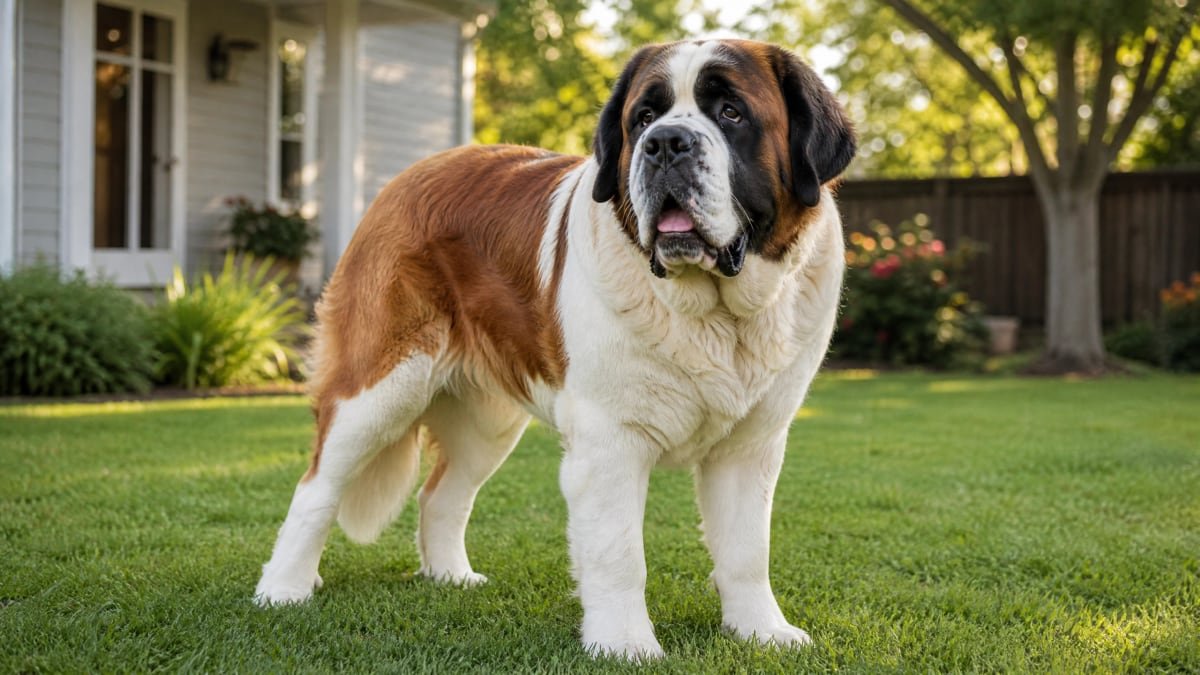
Overview
Adult range
54-82 kg
119-180.8 lb
Size class
Giant breed
Matched size chart
Growth pace
Slower
Typical for this breed size
Check-in cadence
Weekly to monthly
Suggested rhythm
<16 w weekly | 16-32 w biweekly | 32 w+ monthly
Quick answers
Start here if you only need the practical answer. Saint Bernards have a very wide healthy range, so sex, frame, maturity, and condition matter.
Adult range
AKC lists males at 140-180 lb and females at 120-140 lb. A lighter or heavier-looking dog still needs body-condition checks because the breed's size range is wide.
Growth timing
The Saint Bernard Club of America notes rapid growth in the first year, but full maturity may take as long as three years. Height, chest, muscle, and adult condition do not finish on the same day.
Best check
A healthy Saint Bernard should feel massive and strong, but ribs should still be findable, the waist should not disappear, and movement should not look heavy or painful.
Feeding goal
Giant-breed puppies should grow on measured meals and a suitable growth diet. Extra food should not be used to push a Saint Bernard toward the top of the chart.
Weight by age
Saint Bernards grow quickly during puppyhood, then continue maturing slowly. This means a one-year-old can already look enormous while still needing more time for chest, muscle, coordination, and adult condition to settle.
Use this chart as planning context, not a medical target. Males usually finish heavier than females, and the healthiest Saint Bernard is not automatically the heaviest one.
| Age | Male Weight | Female Weight |
|---|---|---|
| 8 weeks | 20-30 lb (9.1-13.6 kg) | 18-28 lb (8.2-12.7 kg) |
| 3 months | 35-55 lb (15.9-24.9 kg) | 32-50 lb (14.5-22.7 kg) |
| 4 months | 50-75 lb (22.7-34 kg) | 45-68 lb (20.4-30.8 kg) |
| 5 months | 65-90 lb (29.5-40.8 kg) | 58-82 lb (26.3-37.2 kg) |
| 6 months | 75-110 lb (34-49.9 kg) | 70-100 lb (31.8-45.4 kg) |
| 8 months | 90-135 lb (40.8-61.2 kg) | 80-120 lb (36.3-54.4 kg) |
| 10 months | 105-155 lb (47.6-70.3 kg) | 95-130 lb (43.1-59 kg) |
| 12 months | 115-165 lb (52.2-74.8 kg) | 105-140 lb (47.6-63.5 kg) |
| 18 months | 130-180 lb (59-81.6 kg) | 115-140 lb (52.2-63.5 kg) |
| 24-36 months | 140-180 lb (63.5-81.6 kg) | 120-140 lb (54.4-63.5 kg) |
Maturity
Saint Bernards are slow-maturing giant dogs. Many are close to adult height before adult mass, muscle, chest, and condition have fully settled.
This is a high-change stage, but fast gain is not the goal. Use frequent weigh-ins, measured meals, and a large or giant-breed puppy diet.
A Saint Bernard may already be taller and heavier than many adult dogs, but coordination, joints, manners, and body condition are still developing.
Growth usually slows, but the dog may continue adding chest, muscle, and mature substance. Keep the dog lean enough to move easily.
Many Saints are close to adult weight during this window, but individual lines and sex still create a wide range.
The parent club notes that full maturity can take as long as three years, so do not judge a young adult only by one birthday or one weigh-in.
Key takeaway
A Saint Bernard should mature into strength and substance without extra padding that makes movement, joints, heat tolerance, or recovery harder.
Growth check
A good giant-breed growth trend is steady, mobile, and comfortable. Use these checks with the chart, calculator, and your veterinarian's advice.
Owner check
Saint Bernards are naturally massive, but body condition still matters. Use hands-on rib, waist, shoulder, hip, and muscle checks during grooming.
Weight factors
Saint Bernard weight is shaped by sex, giant frame, maturity, food amount, activity, coat, and health. The scale needs context every time.
AKC lists males at 140-180 lb and females at 120-140 lb. A female should not be pushed toward a male target just because the breed is giant.
The breed standard calls for heavy bone and powerful muscle, but a healthy Saint Bernard should still have feelable ribs and manageable movement.
Saints may keep filling out after 12 months and can take much longer to reach full maturity. Use trend history instead of judging one age alone.
Training rewards, chews, leftovers, and snacks add up quickly in a giant dog. Count them as part of the daily food plan.
A sore, tired, overheated, or under-exercised giant dog may gain condition even if meal size stays the same. Track activity and recovery.
Rapid gain, weight loss, vomiting, diarrhea, limping, poor appetite, abdominal swelling, or sudden distress should not be treated as a chart problem.
Breed snapshot
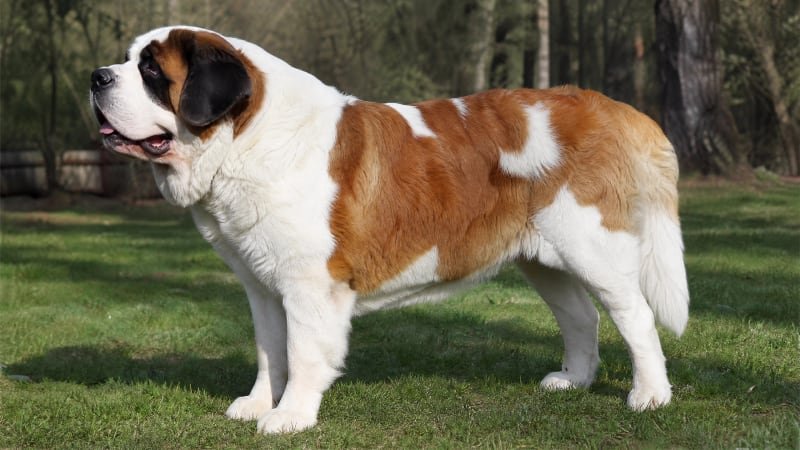
Temperament profile
Saint Bernard dogs are usually giant and gentle, and their larger frame is easiest to read when meals, activity, and weigh-ins stay steady.
Daily rhythm
Use calm manners, slow growth support, and low-impact routines for a giant breed.
Weight-tracking note
Fast growth can stress joints
Use this page with
Calculator
Open the homepage calculator with Saint Bernard selected and compare the live result with this guide.
Open calculatorSize chart
Use the Giant size chart to compare the broader checkpoint range behind this breed guide.
Open size chartGuide
Review the core framework for trend tracking, body condition, and using ranges responsibly.
Open guideAge calculator
Use Saint Bernard's usual adult-size band to compare dog age with human years.
Calculate ageRelated guides
Age guide
Compare Saint Bernard checkpoints with month-by-month puppy growth context before reading the breed graph.
Open age guideCondition
Use rib, waist, and tuck checks to decide whether Saint Bernard's number looks healthy in real life.
Open condition guideLarge growth
Use slow-growth context for Saint Bernard's frame, food routine, and exercise plan.
Open large guideMaturity
Compare Giant growth timing with the point when height, muscle, and fill-out usually slow.
Open timing guideGrowth
Growth graph
Saint Bernards follow one of the slowest giant-breed growth paths, so this chart separates male and female reference lines and keeps the focus on steady development rather than maximum size.
Chart span
2-36 months
Breed-specific monthly view
Male at 36 months
82 kg
180.8 lb
Female at 36 months
64 kg
141.1 lb
Re-check cadence
2-4 weeks
Trend beats one weigh-in
This breed-specific chart tracks the average monthly line for male and female Saint Bernard puppies from 2-36 months. Use the line as a planning reference. A healthy Saint Bernard trend still depends on ribs, waist, muscle, movement, appetite, stool, recovery, and veterinary exams.
Calculator bridge
Open the homepage calculator with Saint Bernard selected, add the latest weigh-in, then compare the result back against this guide.
What this means
When to re-check
Re-check a Saint Bernard every 2 to 4 weeks during growth, and sooner after food, appetite, activity, or mobility changes.
Next action
Most useful after a fresh weigh-in, then compare the result back against this breed graph and the matching size chart.
Stages
These stages help owners understand why a Saint Bernard can look huge long before adult maturity is finished.
8-12 weeks
Record starting weight, food brand, meal amount, stool quality, appetite, breeder notes, and early vet findings.
3-6 months
Weigh often, use measured meals, avoid rapid gain, and keep exercise gentle enough for a fast-changing frame.
6-9 months
The puppy may be very heavy but still immature. Watch rising, stairs, footing, recovery, and leash control.
9-12 months
A Saint Bernard can look close to adult size while still needing time for muscle, chest, and coordination to mature.
12-18 months
Weight changes slow but may continue. Keep portions steady and judge condition through ribs, waist, movement, and recovery.
18-24 months
Many Saints are close to adult weight. Continue routine vet checks and avoid letting mature size become extra fat.
24-36 months
Some Saint Bernards keep settling into adult substance until about three years, so maintain lean condition instead of chasing maximum weight.
Feeding rules
Choose a complete and balanced puppy food formulated for large-size dogs unless your veterinarian gives different instructions.
Use measured portions and keep notes on food, treats, chews, and appetite. Guessing is risky when a puppy is this large.
Review several check-ins with ribs, waist, movement, stool, and appetite before changing food amounts.
Overfeeding can speed growth and add body fat. The goal is controlled development, not reaching the top of the chart early.
A slow transition makes stool, appetite, skin, coat, and weight easier to interpret. Sudden changes can confuse the growth record.
Keep meals predictable, water available, and activity calmer around feeding. Ask your vet about GDV risk and prevention for your individual Saint.
Feeding
The exact amount depends on calories per cup, age, sex, activity, body condition, health, and your veterinarian's plan. The structure matters as much as the number.
Puppy
Use measured meals and a large or giant-breed puppy food. Re-check weight and condition regularly because fast gain is not the same as healthy growth.
Adolescent
A young Saint may weigh more than many adult dogs while still developing. Keep rewards small, activity low-impact, and meals consistent.
Adult
Once adult weight settles, adjust portions around activity, weather, treats, neuter or spay changes, and body condition.
Senior
Older Saints may change activity and muscle condition. Ask your veterinarian before starting a weight-loss plan or major food change.
Treats
Treats should stay a small part of the daily intake. Use tiny rewards and subtract frequent training food from meals when needed.
Vet review
For a better target, bring weight history, food amount, calorie information, treat count, activity, stool notes, and body photos to your vet.
Daily life
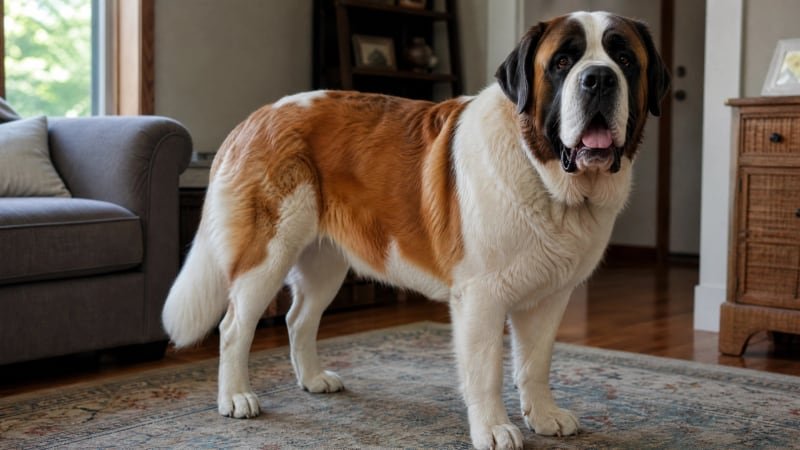
Good fit for
Things to watch
Care
Use measured giant-breed meals and avoid pushing rapid growth.
Favor steady walks, gentle play, and recovery over repetitive impact.
Check ribs, waist, skin, coat, paws, and joint comfort during handling.
Build calm leash manners early with rewards counted.
Warning signs
Use this page for tracking, not diagnosis. Giant dogs need quick veterinary help when weight changes appear with mobility, appetite, digestive, or abdominal warning signs.
Similar breeds

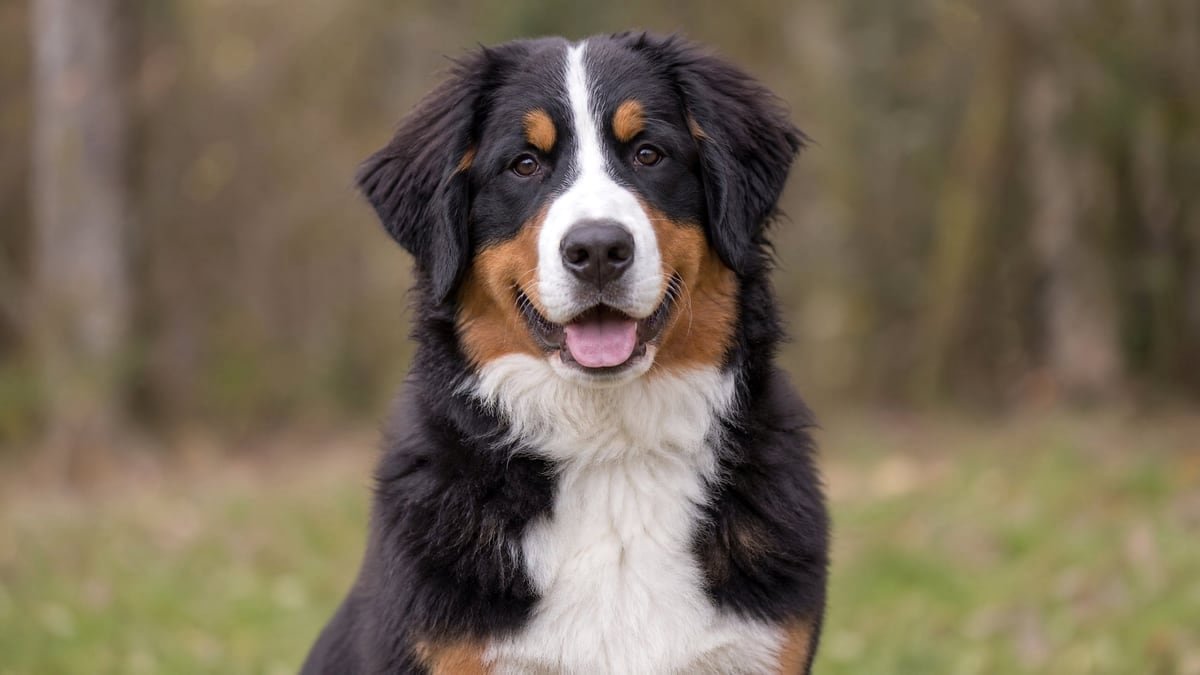
Next step
Use live age and weight inputs, then compare the result with this breed guide and its matching size chart.
FAQ
The page combines official breed size information, parent-club breed guidance, veterinary nutrition principles, and search-intent review for Saint Bernard growth questions.
Estimates only. Not veterinary advice.