Large breed

Rhodesian Ridgeback Weight Chart & Growth Guide

Updated weekly

Rhodesian Ridgebacks should grow into lean, muscular hounds, not padded heavy dogs. This guide connects the weight chart with athletic condition, deep-chested build, adolescent exercise, food portions, and the need to watch ribs, waist, and movement together.

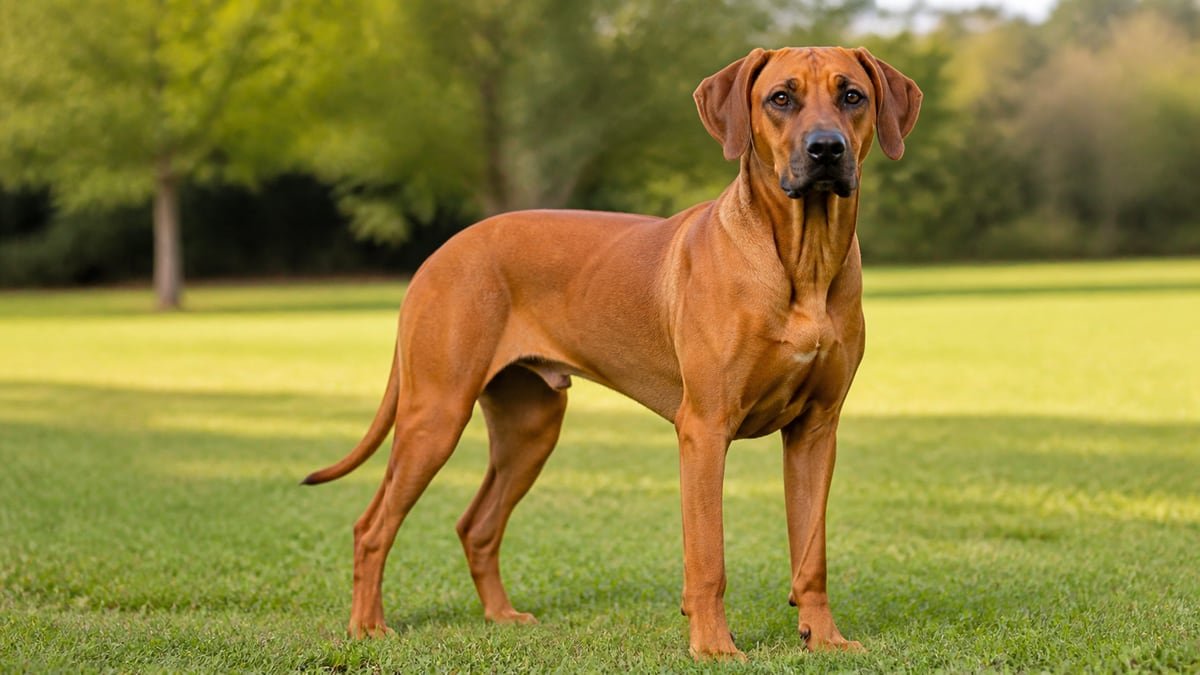
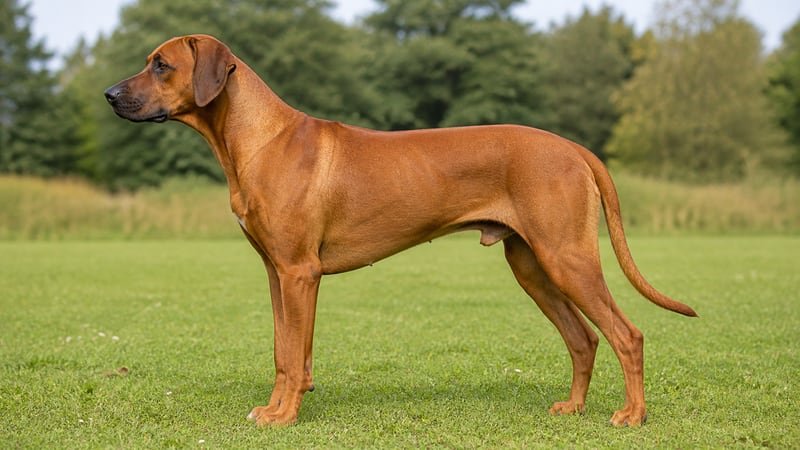
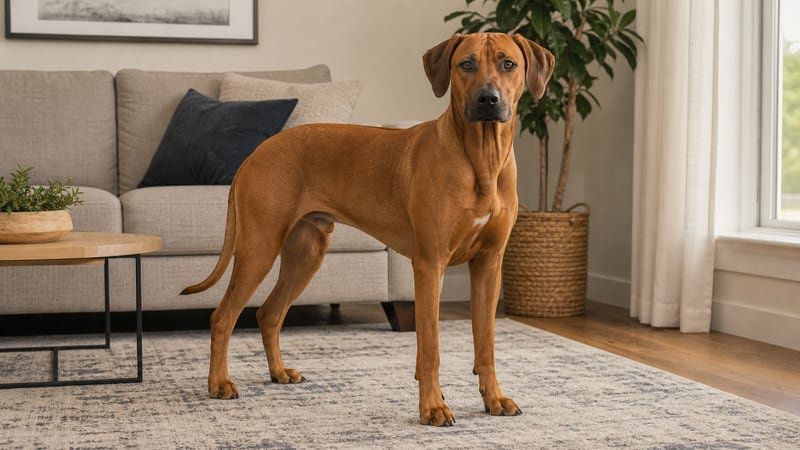
A healthy Ridgeback should feel powerful and lean, with visible athletic shape but not sharp bones.

Rhodesian Ridgeback puppy breed detail hero image

Life Span

Adult range

32-39 kg

70.5-86 lb

Size class

Large breed

Matched size chart

Growth pace

Slower

Typical for this breed size

Check-in cadence

Weekly to monthly

Suggested rhythm

<16 w weekly | 16-32 w biweekly | 32 w+ monthly

Rhodesian Ridgeback weight quick answers

Use these answers when you need the practical version first. A Ridgeback should mature into a lean, muscular, balanced athlete, not a bulky hound whose scale number is treated as the goal.

Official desirable weights are 85 lb for males and 70 lb for females

AKC and the official standard list males at 25-27 inches and about 85 lb, and females at 24-26 inches and about 70 lb. Healthy pet weight still depends on frame and body condition.
Many Ridgebacks fill out through 18-24 months

Height often settles before mature chest, muscle, and endurance. Some males keep filling in longer, but that should mean athletic condition, not extra padding.

Lean and powerful is correct

The standard describes a strong, muscular, active hound with endurance and speed. Ribs should be findable, the waist should stay visible, and movement should look efficient.

Free feeding is not a good Ridgeback plan

The RRCUS owner flyer says Ridgebacks have large appetites, may act like food is never enough, and that free feeding is not recommended. Measured meals protect the athletic waist.

Rhodesian Ridgeback Weight Chart by Age

Rhodesian Ridgeback puppies grow into strong, muscular, active hounds with a deep chest, clean muscle, efficient movement, and enough endurance to work at speed. The healthiest trend is steady gain without losing rib feel, waist shape, appetite, stool quality, or comfortable movement.

Use this chart as owner planning context, not a diagnosis. The official desirable adult weights are 85 lb for males and 70 lb for females, but height, sex, frame, family line, training food, activity, body condition, hip and elbow comfort, and veterinary guidance decide the healthy target for an individual Ridgeback.

AgeMale / Larger FrameFemale / Smaller Frame
8 weeks12-18 lb (5.4-8.2 kg)10-14 lb (4.5-6.4 kg)
3 months24-32 lb (10.9-14.5 kg)20-26 lb (9.1-11.8 kg)
4 months35-45 lb (15.9-20.4 kg)30-38 lb (13.6-17.2 kg)
5 months45-58 lb (20.4-26.3 kg)38-50 lb (17.2-22.7 kg)
6 months55-70 lb (24.9-31.8 kg)48-58 lb (21.8-26.3 kg)
8 months63-78 lb (28.6-35.4 kg)55-65 lb (24.9-29.5 kg)
10 months70-84 lb (31.8-38.1 kg)60-70 lb (27.2-31.8 kg)
12 months75-88 lb (34-39.9 kg)62-73 lb (28.1-33.1 kg)
15 months79-90 lb (35.8-40.8 kg)65-75 lb (29.5-34 kg)
18 months80-90 lb (36.3-40.8 kg)65-75 lb (29.5-34 kg)
24 months80-90 lb (36.3-40.8 kg)65-75 lb (29.5-34 kg)

When Does a Rhodesian Ridgeback Stop Growing?

Ridgebacks often look tall before they look finished. Height, chest, loin, muscle, coordination, and mature condition do not all arrive at once.

3-6 months

Fast large-breed growth

This is the biggest change window for many puppies. Weigh regularly, measure meals, count rewards, and keep exercise age-appropriate while legs and coordination change quickly.

6-10 months

Adolescent athlete phase

Many Ridgebacks look lean, long-legged, and unfinished. That can be normal, but limping, poor appetite, sharp bones, or stalled growth should be checked.

10-15 months

Adult outline appears

Height may be close to adult size, but the dog may still need time for chest depth, muscle, and mature stamina. Do not feed for bulk.

18-24 months

Mature condition settles

Many Ridgebacks finish adult weight and muscle through the second year. The goal is a balanced hound with speed, endurance, and a visible athletic waist.

Do not mistake adolescent leanness for failure

A young Ridgeback can be lean and healthy. Judge trend, ribs, waist, muscle, gait, appetite, stool, and veterinary body-condition score together.

Signs Your Rhodesian Ridgeback Is Growing Well

A good Ridgeback growth trend is steady, lean, muscular, and comfortable. Use the chart with hands-on body checks and a simple activity and feeding log.

Good signs

  • Weight rises gradually without sudden jumps after meal, treat, activity, or schedule changes.
  • Ribs are easy to feel under light cover, and the waist is visible from above.
  • The puppy has clean muscle over shoulders, back, loin, and thighs rather than a soft rounded outline.
  • Movement looks long, free, and efficient, with no repeated limping, stiffness, or reluctance.
  • Appetite, stool, energy, training focus, skin, ridge area, recovery, and meal tolerance stay consistent.

Needs monitoring

  • Ribs become hard to feel, the waist disappears, or the dog looks bulky instead of athletic.
  • Ribs, spine, hips, or shoulder points look sharp and muscle coverage is fading.
  • The puppy gains quickly after free feeding, large treats, table food, lower activity, or injury rest.
  • There is limping, bunny-hopping, stiffness, poor recovery, or reluctance to run, turn, rise, or climb.
  • There is a lump, draining area, or sore spot along the ridge, or weight changes appear with vomiting, diarrhea, food refusal, bloating, or collapse.

Athletic should not mean sharp or soft

A Ridgeback should feel lean and powerful. If the number looks fine but the dog feels weak, padded, sore, or uncomfortable, the scale is missing part of the story.

What Changes a Rhodesian Ridgeback's Weight?

Ridgeback weight is shaped by sex, height, frame, muscle, activity, training rewards, meal control, hip and elbow comfort, thyroid status, appetite, and health history.

Standard

Official desirable weights are 85 lb and 70 lb

The standard lists 85 lb for dogs and 70 lb for bitches. Some healthy pets vary, but the official anchor helps push back against the idea that heavier is automatically better.

Build

The breed should be balanced and athletic

The standard asks for a strong, muscular, active hound with endurance, speed, and balanced outline. Extra bulk can work against the breed's purpose.

Chest

Deep-chested dogs need meal awareness

The Ridgeback standard describes a deep and capacious chest. Use measured meals, discourage gulping, and avoid hard activity right after eating.

Appetite

Food motivation is common

RRCUS warns that Ridgebacks have large appetites and may try to convince owners that meals are not enough. Free feeding is not recommended.

Joints

Weight and speed of gain affect comfort

RRCUS notes that hip and elbow issues can be influenced by calorie intake, exercise, weight, and speed of gain. Subtle lameness matters.

Ridge

The ridge is not a weight marker

The ridge is the breed hallmark, but lumps, draining spots, tenderness, or possible dermoid sinus signs along the ridge deserve veterinary review. Do not treat ridge concerns as growth-chart issues.

Why this breed needs context

Rhodesian Ridgeback puppy body condition snapshot for growth tracking
Steady large-breed pace<16 w weekly | 16-32 w biweekly | 32 w+ monthly

Athletic • Independent • Loyal

Rhodesian Ridgeback dogs are usually athletic and independent, and their larger frame is easiest to read when meals, activity, and weigh-ins stay steady.

High energy, Low grooming

Use consistent positive training, recall practice, and structured outlets for athletic energy.

Best read through repeat check-ins

A fit Ridgeback may look leaner than some owners expect

Updated weeklyPlanning estimates onlyView sourcesEditorial policy

Keep the next step obvious

Run a live estimate

Open the homepage calculator with Rhodesian Ridgeback selected and compare the live result with this guide.

Open calculator

Open the matching size chart

Use the Large size chart to compare the broader checkpoint range behind this breed guide.

Open size chart

Read healthy weight basics

Review the core framework for trend tracking, body condition, and using ranges responsibly.

Open guide

Rhodesian Ridgeback Growth and Weight Chart

Rhodesian Ridgeback growth chart

Rhodesian Ridgebacks are large athletic hounds, so this chart is anchored to the official desirable adult weights of 85 lb for males and 70 lb for females, then interpreted through height, muscle, speed, endurance, ribs, waist, and meal timing.

Rhodesian Ridgeback growth reference

Chart span

2-24 months

Breed-specific monthly view

Male at 24 months

40 kg

88.2 lb

Female at 24 months

34 kg

75 lb

Re-check cadence

2-4 weeks

Trend beats one weigh-in

Monthly reference 2-24 months
Rhodesian Ridgeback growth chart Breed-specific growth chart for Rhodesian Ridgeback from 2 through 24 months in kg.01020304050234568101215182124 Male / larger frame Female / smaller frame Age (months) Weight (kg)
Male line Female line

This breed-specific chart tracks the average monthly line for male and female Rhodesian Ridgeback puppies from 2-24 months. Use the line as a planning reference. A healthy Ridgeback trend still depends on sex, frame, family line, appetite, stool, training food, exercise, recovery, body condition, and veterinary exams.

Want a live estimate from your dog's current age and weight?

Open the homepage calculator with Rhodesian Ridgeback selected, add the latest weigh-in, then compare the result back against this guide.

How to read this graph for Rhodesian Ridgeback

  • Use the male line for male puppies and the female line for female puppies, because Rhodesian Ridgeback dogs often grow at different rates through the first year.
  • Month-to-month progress matters more than one high or low weigh-in, especially during the faster early-growth months.
  • Use the live calculator after repeat weigh-ins, then compare the result back to this breed-specific chart to confirm the trend is still moving steadily.

<16 w weekly | 16-32 w biweekly | 32 w+ monthly

Re-check a Rhodesian Ridgeback every 2 to 4 weeks during growth, especially around activity changes, growth spurts, or appetite shifts.

Run the live estimate with this breed selected

Most useful after a fresh weigh-in, then compare the result back against this breed graph and the matching size chart.

Rhodesian Ridgeback Growth Stages

These stages help owners understand why a Ridgeback can look lean, powerful, unfinished, or suddenly heavier during normal development.

New puppy baseline

Record starting weight, food brand, meal amount, stool quality, appetite, breeder notes, ridge-area check, and early vet findings.

Fast growth and coordination

Use measured meals, short training rewards, gentle activity, and regular weigh-ins while legs, chest, appetite, and coordination change quickly.

Lean adolescent hound

The puppy may look leggy and lean. Check ribs, waist, muscle, gait, appetite, stool, ridge area, and recovery before assuming more food is needed.

Adult outline and impulse control

Height and strength are now more obvious. Keep recall, leash manners, meal routines, and calm recovery consistent as portions settle.

Mature athletic condition

Final condition is about muscle, endurance, speed, soundness, and waist shape. Keep the dog fit rather than chasing an oversized look.

Rhodesian Ridgeback Feeding Rules for Healthy Growth

Rule 1

Use a large-breed growth plan

Feed a complete and balanced growth diet unless your veterinarian recommends something different. Controlled steady gain matters more than fast gain.

Rule 2

Measure meals every day

Ridgebacks are often enthusiastic eaters. Measured meals make the chart meaningful and prevent slow drift into a soft waist.

Rule 3

Do not free feed

RRCUS specifically says free feeding is not recommended and that first-time owners often let Ridgebacks get too fat. Meal structure is part of breed care.

Rule 4

Count training rewards

Recall, leash manners, impulse control, and scent games often use food. Count those calories and use part of the measured meal when rewards are frequent.

Rule 5

Feed around deep-chest safety

Offer sensible meal sizes, discourage gulping, keep fresh water available, and avoid hard exercise right after meals. Ask your vet about GDV prevention for your dog.

Rule 6

Watch sudden appetite changes

The RRCUS flyer says sudden food refusal is a reason to consult a veterinarian. Do not treat abrupt appetite loss as normal picky eating.

How to Feed a Rhodesian Ridgeback at Different Ages

The exact amount depends on calories per cup, expected adult size, body condition, activity, training rewards, growth pace, health history, and your veterinarian's advice. The routine matters as much as the scoop size.

Feed the athlete, not the myth of bigger

Build steady lean growth

Use measured meals, regular weigh-ins, and a log of appetite, stool, ribs, waist, energy, ridge-area checks, and movement.

Protect joints and recovery

A young Ridgeback may look thin after a growth spurt. Adjust food from body condition, not from pressure to make the dog look bulkier.

Maintain speed and waist

Once adult weight settles, portions should match activity, training rewards, heat, rest weeks, body condition, and mobility.

Watch muscle and thyroid-like changes

Older Ridgebacks may lose muscle or gain fat with lower activity. Ask your veterinarian before starting a major weight-loss plan or diet change.

Know the urgent pattern

Retching without vomit, drooling, restlessness, swollen or painful belly, pale gums, weakness, collapse, or praying posture is not a routine feeding issue.

Bring the useful details

For a better target, bring weight history, food amount, calorie information, treat count, activity notes, body photos, stool, appetite, gait, and any ridge or belly concerns.

Temperament & daily fit

Rhodesian Ridgeback puppy daily life photo for healthy weight guidance
AthleticIndependentLoyal

Homes that match this breed

  • Active homes that can offer structured exercise and recovery
  • Owners ready for consistent training and secure off-leash choices
  • People who can monitor lean muscle without overfeeding

What can change the trend

  • A fit Ridgeback may look leaner than some owners expect
  • Overfeeding can soften the waist and reduce athletic comfort
  • Deep-chested dogs need careful meal and exercise routines

Care routine

Feeding

Measure meals and adjust for training, growth stage, and activity rather than chasing a bulky look.

Exercise

Use age-appropriate walks, training games, and controlled running as the body matures.

Grooming

The short coat makes ribs and waist easier to assess, so check body condition often.

Training

Prioritize recall, impulse control, leash manners, and calm recovery after excitement.

Rhodesian Ridgeback Weight Warning Signs

Use this page for tracking, not diagnosis. Call your veterinarian when weight changes appear with appetite, stool, movement, belly comfort, or ridge-area changes.

Possible overweight signs

  • Ribs become hard to feel or the waist disappears from above.
  • The dog looks bulky, soft, or rounded instead of lean and athletic.
  • Recovery slows after normal walks, training, or running, and heat tolerance worsens.
  • Free feeding, table food, large treats, reduced activity, or injury rest increased before weight rose.
  • Your veterinarian scores body condition above ideal or recommends a controlled weight plan.

Possible underweight or urgent signs

  • Ribs, spine, hips, or shoulder points look sharp and muscle coverage is fading.
  • Weight drops quickly or growth stalls while appetite, stool, hydration, or energy changes.
  • The dog limps, bunny-hops, refuses activity, struggles to rise, or seems painful.
  • There is a lump, draining spot, tenderness, swelling, or possible dermoid sinus sign along the ridge or back.
  • There is retching without vomit, excessive drooling, restlessness, swollen or painful belly, pale gums, weakness, collapse, or praying posture.

Compare similar guides

Run the estimate with Rhodesian Ridgeback selected

Use live age and weight inputs, then compare the result with this breed guide and its matching size chart.

Frequently asked questions

The official desirable adult weights are about 85 lb for males and 70 lb for females. Healthy pet Ridgebacks may vary by frame, but body condition, muscle, waist, movement, and veterinary guidance matter more than chasing a bigger number.

Many 6 month old Ridgebacks are roughly 48-70 lb, with females often around 48-58 lb and males around 55-70 lb. Compare the number with ribs, waist, muscle, stool, appetite, and movement.

Many Ridgebacks are close to adult height by 12-15 months, but chest, muscle, endurance, and final condition often keep developing until about 18-24 months.

Ninety pounds can be normal for a tall, well-muscled male, but it is above the official desirable 85 lb male weight. Use rib feel, waist, gait, and vet body-condition scoring.

One hundred pounds deserves a careful body-condition check. Some very large-framed dogs may carry more weight, but many Ridgebacks at 100 lb are carrying more body fat than is ideal for speed, joints, and heat comfort.

Adolescent Ridgebacks can look lean and leggy while height arrives before chest and muscle. Concern rises when bones are sharp, muscle is fading, appetite is poor, weight is dropping, or the puppy is weak or sore.

No. The RRCUS owner flyer says free feeding is not recommended and warns that Ridgebacks have large appetites. Measured meals and counted rewards are better for this athletic breed.

The ridge itself is a coat feature and does not decide weight. But lumps, draining spots, tenderness, or swelling along the ridge can suggest a health issue such as dermoid-sinus concern and should be checked by a veterinarian.

Use measured meals, discourage gulping, and avoid hard running right after eating. Because Ridgebacks are deep-chested, ask your veterinarian about individual GDV risk and prevention.

Call your veterinarian for rapid gain, fast weight loss, limping, food refusal, vomiting, diarrhea, belly swelling, retching without vomit, excessive drooling, restlessness, weakness, collapse, or ridge-area swelling or drainage.
ResearchResearch & referencesOfficial standards, parent-club health guidance, and veterinary sources (8 sources).

This page combines official breed-size data, the Rhodesian Ridgeback standard, RRCUS owner guidance, breed-club health context, GDV veterinary guidance, and nutrition/body-condition principles. The chart is an owner planning aid, not a diagnosis.

  • AKC breed profileAKC Rhodesian Ridgeback profileOpen
  • Breed standardOfficial Rhodesian Ridgeback standardOpen
  • Parent club flyerRRCUS owner flyerOpen
  • Health testingAKC hound-group health testingOpen
  • RRCUS health statementRhodesian Ridgeback health statementOpen
  • RRCUS health screeningsRRCUS health screeningsOpen
  • GDV sourceCornell GDV overviewOpen
  • NutritionWSAVA nutrition guidelinesOpen

Estimates only. Not veterinary advice.