Adult range
Adult males are often 55-70 lb; females are often 45-60 lb
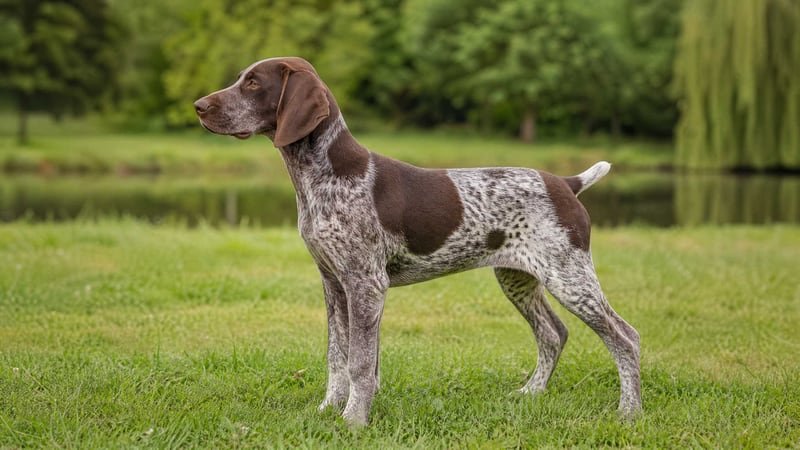
AKC breed references list male GSPs around 55-70 lb and females around 45-60 lb. The breed should look athletic and balanced, not bulky, padded, or rib-sharp.

Calculators
Browse
Learn
Company & trust
Estimates only. Not veterinary advice.
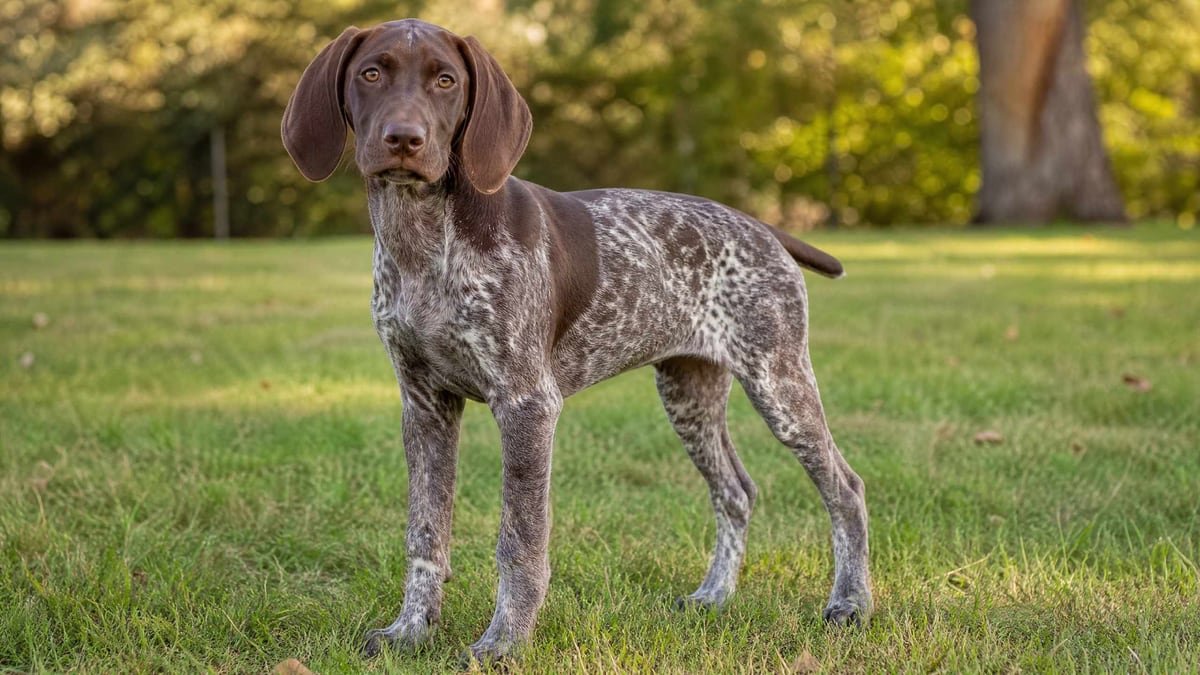
German Shorthaired Pointers are built for speed, stamina, and field work. Their weight chart should be read through an athletic lens: ribs should be easy to feel, muscle should build gradually, and food should match real activity without adding bulk.
A GSP should be fueled for stamina, not fed to look heavy.
Overview
Adult range
20.4-31.8 kg
45-70.1 lb
Size class
Large breed
Matched size chart
Growth pace
Slower
Typical for this breed size
Check-in cadence
Weekly to monthly
Suggested rhythm
<16 w weekly | 16-32 w biweekly | 32 w+ monthly
Quick answers
Use these answers when you need the practical version first. A German Shorthaired Pointer's healthiest weight depends on sex, height, frame, rib feel, waist, muscle, workload, field conditioning, recovery, stool, and your veterinarian's body-condition and muscle-condition assessment.
Adult range
AKC breed references list male GSPs around 55-70 lb and females around 45-60 lb. The breed should look athletic and balanced, not bulky, padded, or rib-sharp.
6 months
Many 6-month German Shorthaired Pointers fall around 36-55 lb, with males often heavier than females. Read the number with frame, workload, muscle, stool, appetite, and recovery.
Full grown
Many GSPs reach most height around the first year, then keep building adult muscle, stamina, coordination, and field condition through 18 months or more.
Lean check
The official standard protects hard, lean field condition while penalizing overly fat or poorly muscled dogs. Ribs should be easy to feel, but hips, spine, and stamina should not look depleted.
Weight by age
German Shorthaired Pointers are athletic sporting dogs that commonly mature around 45-70 lb. They are deep-chested, lean, and built for endurance rather than bulk.
Read the chart with workload in mind. A healthy GSP may look lighter than a stockier large breed at the same age but should still have muscle, energy, and normal recovery.
| Age | Male Weight | Female Weight |
|---|---|---|
| 2 months | 12-18 lb (5.4-8.2 kg) | 10-16 lb (4.5-7.3 kg) |
| 3 months | 20-28 lb (9.1-12.7 kg) | 18-25 lb (8.2-11.3 kg) |
| 4 months | 28-38 lb (12.7-17.2 kg) | 24-34 lb (10.9-15.4 kg) |
| 5 months | 35-47 lb (15.9-21.3 kg) | 30-42 lb (13.6-19.1 kg) |
| 6 months | 42-55 lb (19.1-24.9 kg) | 36-48 lb (16.3-21.8 kg) |
| 8 months | 50-62 lb (22.7-28.1 kg) | 42-55 lb (19.1-24.9 kg) |
| 10 months | 55-68 lb (24.9-30.8 kg) | 45-60 lb (20.4-27.2 kg) |
| 12 months | 58-70 lb (26.3-31.8 kg) | 45-60 lb (20.4-27.2 kg) |
| 18 months | 58-70 lb (26.3-31.8 kg) | 45-60 lb (20.4-27.2 kg) |
Maturity
GSPs often reach much of their height before they have finished building adult stamina, coordination, and muscle.
The puppy may look lean and rangy while speed and coordination are still developing.
Height and outline are closer to adult size, but conditioning is not finished.
Field work, running, swimming, and training shape adult condition when introduced sensibly.
The same dog may need different portions during hunting season, sport training, hot weather, or rest weeks.
Key takeaway
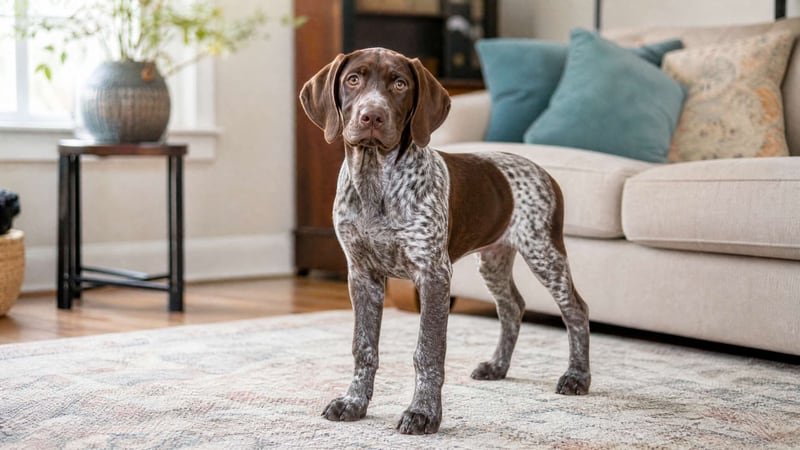
A GSP should have a clear waist and easy-to-feel ribs, but sharp bones, poor recovery, or fading stamina need attention.
Growth check
A good GSP trend shows lean muscle, strong appetite, comfortable movement, and recovery that matches the day's work.
Activity note
A field-training week, a rest week, and a hot-weather week can all change the same GSP's weight picture.
Weight factors
GSP weight is shaped by sex, line type, endurance work, food timing, recovery, and how quickly workload changes.
Males often finish larger, while females can be lighter and still strongly athletic.
A dog doing hunting, running, or dock diving may need different fuel from a quieter house week.
Visible athletic tuck is normal; sharp bones or poor stamina are not.
Orthopedic or stamina changes can alter activity and weight trends.
Meal size, speed, water intake, and exercise timing deserve attention.
Breed snapshot
Temperament profile
German Shorthaired Pointer dogs are usually athletic and eager, and their larger frame is easiest to read when meals, activity, and weigh-ins stay steady.
Daily rhythm
Pair daily activity with calm structure and short reward-based training sessions.
Weight-tracking note
High activity can hide underfeeding until stamina drops
Use this page with
Calculator
Open the homepage calculator with German Shorthaired Pointer selected and compare the live result with this guide.
Open calculatorSize chart
Use the Large size chart to compare the broader checkpoint range behind this breed guide.
Open size chartGuide
Review the core framework for trend tracking, body condition, and using ranges responsibly.
Open guideAge calculator
Use German Shorthaired Pointer's usual adult-size band to compare dog age with human years.
Calculate ageRelated guides
Age guide
Compare German Shorthaired Pointer checkpoints with month-by-month puppy growth context before reading the breed graph.
Open age guideCondition
Use rib, waist, and tuck checks to decide whether German Shorthaired Pointer's number looks healthy in real life.
Open condition guideLarge growth
Use slow-growth context for German Shorthaired Pointer's frame, food routine, and exercise plan.
Open large guideMaturity
Compare Large growth timing with the point when height, muscle, and fill-out usually slow.
Open timing guideGrowth
Growth graph
Use this chart as a lean sporting-dog reference from 1 to 12 months.
Chart span
1-12 months
Breed-specific monthly view
Male at 12 months
30 kg
66.1 lb
Female at 12 months
26.5 kg
58.4 lb
Re-check cadence
2-4 weeks
Trend beats one weigh-in
This breed-specific chart tracks the average monthly line for male and female German Shorthaired Pointer puppies from 1-12 months. Read the line with activity level and recovery notes.
Calculator bridge
Open the homepage calculator with German Shorthaired Pointer selected, add the latest weigh-in, then compare the result back against this guide.
What this means
When to re-check
Re-check a German Shorthaired Pointer every 2 to 3 weeks during growth, and sooner if workload changes sharply.
Next action
Most useful after a fresh weigh-in, then compare the result back against this breed graph and the matching size chart.
Stages
GSP growth blends body development with stamina, field instinct, recall, and recovery habits.
Birth - 8 weeks
Puppies depend on stable weaning, handling, and early social exposure before coming home.
2 - 4 months
Start meals, crate rest, recall basics, leash confidence, and gentle exploration.
4 - 7 months
Energy rises quickly. Build skills and coordination without forced long-distance work.
7 - 12 months
The dog may want more work than the body is ready for, so include rest and controlled training.
12 - 18 months
Muscle, stamina, and field-style focus mature with measured food and sensible workload.
18+ months
Adult care centers on workload-matched calories, ear and paw checks, bloat awareness, and recovery.
Feeding rules
Adjust slowly when running, hunting, sport, or rest weeks change, then confirm with body condition.
Measured meals make it easier to compare appetite, stool, and weight over time.
Deep-chested dogs should not do intense exercise right before or after a full meal.
Feed puppy food during growth and review adult formulas once growth and workload settle.
Offer water during active days, but allow calm recovery before a full meal.
Watch stool, skin, energy, and appetite during diet changes.
Feeding
GSP portions depend on age, adult frame, activity load, food calories, and recovery.
Puppy rhythm
Young puppies need predictable meals. As growth slows, portions should follow body condition and workload.
Activity rule
A heavy field week and a quiet week at home should not automatically use the same calories.
Bloat awareness
Use slow feeders if needed and keep intense work away from full meals.
Daily life
Good fit for
Things to watch
Care
Adjust measured meals around workload while keeping the waist visible.
Use daily activity and training, but build endurance gradually during growth.
The short coat is simple, but check ears, paws, skin, and body condition after outdoor work.
Short clear sessions, recall practice, scent work, and calm recovery suit this energetic sporting breed.
Warning signs
GSPs are naturally lean, so assess muscle, stamina, recovery, and body shape together.
Similar breeds
Next step
Use live age and weight inputs, then compare the result with this breed guide and its matching size chart.
FAQ
This page combines official German Shorthaired Pointer size references, the AKC breed standard, parent-club health guidance, veterinary active-dog feeding guidance, body-condition principles, orthopedic references, and bloat-aware feeding sources. It is a tracking guide, not a diagnosis.
Estimates only. Not veterinary advice.