Why Is My Dog Shaking?
Common causes, warning signs, and a practical way to decide whether to watch, call your veterinarian, or seek emergency care.

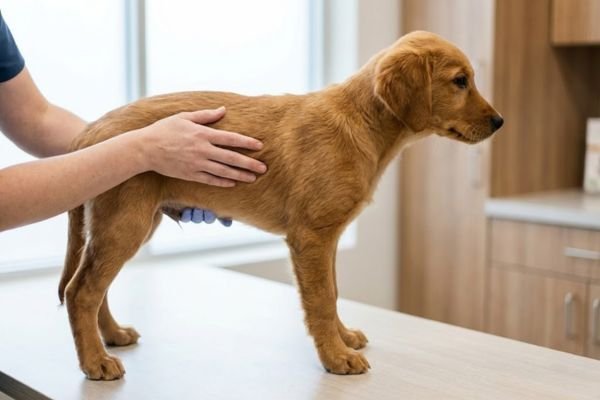
A quick visual summary of common reasons dogs shake and signs that need veterinary attention. Use the full article for context.
Quick answer
Dogs shake for ordinary reasons such as cold, excitement, fear, getting wet, or dreaming, but shaking can also signal pain, nausea, low blood sugar, medication effects, poisoning, a neurologic problem, or a seizure. Look at awareness, walking, breathing, gum color, vomiting, pain, duration, and possible toxin access—not the shaking alone.
Get urgent veterinary help now if...
- your dog collapses, cannot stand, is difficult to wake, or seems severely confused;
- breathing is labored, gums look blue, gray, very pale, or unusually dark red;
- shaking occurs with repeated vomiting, severe pain, marked weakness, or loss of coordination;
- poisoning or medication exposure is possible; or
- a seizure lasts five minutes, or seizures repeat close together.
In the United States, you can also call ASPCA Animal Poison Control at (888) 426-4435; a consultation fee may apply.
First, what kind of shaking are you seeing?
Owners use “shaking” for several different movements. Describing the movement precisely helps a veterinarian narrow the possibilities.
| Movement | What it can look like | Useful clue |
|---|---|---|
| Shivering or trembling | Fine, repeated muscle movement while the dog remains awake | Temperature, stress, pain, nausea, weakness, or illness |
| Full-body shake-off | One quick head-to-tail shake | Often follows getting wet, waking, play, restraint, or tension |
| Head shaking | Repeated side-to-side head movement | Check for ear odor, redness, discharge, pain, or a foreign object |
| Sleep twitching | Paw, face, or body twitches during sleep | Often stops when the dog wakes and is otherwise normal |
| Tremor | Rhythmic or irregular movement of one area or the whole body | Can be metabolic, toxic, medication-related, or neurologic |
| Possible seizure | Loss of awareness, stiffening, paddling, jaw movement, drooling, or collapse | Time the episode and note recovery afterward |
Common reasons dogs shake
The same-looking tremble can have very different causes. Start with what happened immediately before it, then consider the dog's age, health, medications, environment, and accompanying signs.
1. Cold
Small dogs, short-coated dogs, puppies, seniors, and thin dogs may shiver sooner in cool weather. Move the dog to a dry, comfortably warm place and watch whether the shaking settles. Do not use intense direct heat or heating pads that could burn the skin.
2. Being wet
A vigorous shake-off after a bath, swim, or rain is normal. Continuing fine tremors after drying and warming deserve closer attention, especially if the dog is lethargic or weak.
3. Excitement
Some dogs tremble before meals, walks, visitors, play, or car rides. Excitement-related shaking should be brief, predictable, and absent once the event passes.
4. Fear, stress, or anxiety
Thunder, fireworks, travel, grooming, veterinary visits, or unfamiliar people can trigger trembling. Look for a tucked tail, lowered posture, panting, pacing, lip licking, yawning, avoidance, or attempts to hide. Give the dog space and reduce the trigger when it is safe to do so.
5. Pain
Pain may cause trembling together with panting, restlessness, a hunched posture, guarding, reluctance to climb or jump, or a sudden behavior change. Pain can be internal or musculoskeletal and cannot be located from shaking alone.
6. Nausea or illness
Nausea may appear with lip licking, drooling, swallowing, refusing food, vomiting, abdominal discomfort, or restlessness. Fever, infection, dehydration, and other illnesses can also produce shaking or weakness.
7. Ear irritation
Repeated head shaking—rather than whole-body trembling—can occur with ear inflammation, mites, allergies, moisture, or a foreign body. Do not place drops or tools into a painful ear until a veterinarian has checked the ear canal and eardrum.
8. Low blood sugar
Hypoglycemia can cause weakness, trembling, disorientation, collapse, or seizures. Very young or very small dogs, dogs receiving insulin, and dogs with certain illnesses may be at greater risk. This needs prompt veterinary guidance rather than a home diagnosis.
9. Aging and muscle weakness
Older dogs may tremble in the legs from weakness, discomfort, or loss of muscle. A new tremor should still be evaluated because arthritis, pain, metabolic disease, medication effects, and neurologic disorders can overlap with aging. If trembling appears with thinning or an unexplained downward weight trend, review why a dog can lose weight while still eating.
10. Medication effects
Trembling can occur after a new medicine, a dose change, an accidental double dose, or access to a human medication. Call the prescribing veterinarian or poison-control service and have the product, strength, dose, and time available.
11. Poisoning or toxins
Chocolate, xylitol-containing products, some human medicines, insecticides, recreational drugs, and moldy food or compost can cause tremors or seizures. Do not induce vomiting or give a home remedy unless a veterinarian or poison specialist tells you to do so.
12. Neurologic or tremor disorders
Tremors can affect the head, one limb, or the whole body. They may be posture-related or become more obvious with movement. Diagnosis can require a neurologic examination plus tests that rule out metabolic and toxic causes.
13. Seizures
A seizure may begin with restlessness, staring, mild shaking, or salivation and progress to loss of awareness, stiffening, paddling, jaw movements, urination, or defecation. Confusion, pacing, temporary blindness, or marked tiredness can follow. Keep the dog away from stairs and hard objects, do not put anything in the mouth, and time the episode.

What do common symptom combinations mean?
| What you notice | Possible explanations | What to do |
|---|---|---|
| Shaking and panting | Stress, pain, overheating, nausea, or illness | Check temperature and context; call promptly if panting is heavy at rest or breathing looks difficult |
| Shaking and vomiting | Nausea, pain, toxin exposure, gastrointestinal or systemic illness | Call sooner for repeated vomiting, weakness, a painful abdomen, or possible toxin access |
| Shaking but otherwise normal | Cold, excitement, stress, wet coat, or a brief shake-off | Warm or calm the dog and monitor; record recurrent or unexplained episodes |
| Twitching during sleep | Normal dream-related movement is common | Observe whether it stops on waking and awareness is normal |
| Shaking with weakness or wobbling | Low blood sugar, toxin exposure, metabolic or neurologic disease | Seek prompt veterinary assessment; urgent care if severe or worsening |
How can you tell trembling from a seizure?
A trembling dog is usually conscious, tracks you with the eyes, and can respond to a familiar cue. A generalized seizure commonly alters awareness and may include stiffening, paddling, chewing motions, drooling, urination, or a confused recovery period. Some focal seizures are subtler, so a clear video is often more useful than a label.
Do not restrain a seizing dog or place hands near the mouth. Move hard or sharp objects away, block access to stairs, dim stimulation, and note the start and stop time. VCA classifies a seizure lasting more than five minutes as status epilepticus, a life-threatening emergency.
What should you do when your dog starts shaking?
- Make the area safe. Prevent falls and move the dog away from stairs, water, traffic, and sharp furniture.
- Check responsiveness and breathing. Note whether your dog recognizes you, can stand and walk, and breathes comfortably.
- Look for context. Was the dog cold, wet, sleeping, excited, frightened, recently medicated, or near food waste or chemicals?
- Record a video and time it. Capture the full body and face without delaying urgent care.
- Note other signs. Vomiting, diarrhea, drooling, panting, gum color, pain, appetite, urination, weakness, and coordination all matter.
- Call for guidance. New, recurrent, worsening, or unexplained episodes deserve veterinary advice.
Do not give human pain medicine, sedatives, essential oils, supplements, food, or sugar as a general treatment. The right response depends on the cause, and some home treatments can be dangerous.
If your veterinarian asks you to monitor weight alongside the episodes, use the dog weight calculator and keep the scale, time of day, and measuring conditions consistent.
Bring a better record to the veterinarian
Save the video, duration, trigger, medication list, possible exposures, and recent changes in appetite, thirst, stool, activity, and weight.
When should you call a veterinarian?
Call the same day when shaking is new and unexplained, keeps returning, lasts longer than a brief trigger, or occurs with pain, ear symptoms, reduced appetite, vomiting, diarrhea, unusual thirst, weakness, or a behavior change. Puppies, very small dogs, seniors, dogs receiving insulin, and dogs with chronic disease may need earlier assessment.
Use emergency care for collapse, severe weakness, trouble breathing, abnormal gums, inability to stand, repeated vomiting with deterioration, a painful swollen abdomen, suspected poisoning, serious trauma, a seizure lasting five minutes, or repeated seizures. When in doubt, call the clinic and describe the complete episode.
COMMON QUESTIONS
Why is my dog shaking FAQ
Why is my dog shaking but acting normal?
Brief shaking can follow cold, excitement, stress, getting wet, or a full-body reset after rest. If it keeps returning, becomes stronger, or is new for your dog, record a video and contact your veterinarian because pain, nausea, medication effects, and illness can also cause shaking.
When is dog shaking an emergency?
Seek urgent veterinary care when shaking occurs with collapse, trouble breathing, abnormal gum color, severe weakness, repeated vomiting, loss of coordination, suspected toxin exposure, or seizure-like activity. A seizure lasting five minutes or repeated seizures close together require emergency treatment.
How can I tell shaking from a seizure?
A dog that is shivering or trembling is often still aware and responsive. During a generalized seizure, awareness is commonly impaired and there may be stiffening, paddling, jaw movements, drooling, urination, or a confused period afterward. Video and timing help a veterinarian distinguish episodes.
Can pain make a dog shake?
Yes. Pain can cause trembling, panting, restlessness, guarding, a hunched posture, reluctance to move, or a change in behavior. Shaking alone cannot identify the source, so new or persistent episodes deserve veterinary assessment.
Should I give medicine to a shaking dog?
Do not give human pain relievers, sedatives, supplements, or another pet's prescription unless a veterinarian specifically directs you. Some common human medicines are dangerous to dogs and can make diagnosis or treatment harder.
Final takeaway
Brief shaking can be a normal response to cold, wet fur, excitement, stress, or sleep. The important question is what else is happening: awareness, walking, breathing, pain, vomiting, gum color, duration, recovery, and possible toxin exposure determine how urgent the situation may be.
When shaking is new, recurrent, worsening, or paired with another abnormal sign, record it and contact your veterinarian. For collapse, breathing difficulty, suspected poisoning, or prolonged or repeated seizures, seek emergency care.
RESEARCH Veterinary emergency and toxicology references Seizure timing, emergency triage, poison-control guidance, and tremorgenic toxins.
Reviewed August 28, 2026. These sources support general education and cannot identify the cause of an individual dog's shaking.
- SeizuresVCA: Seizures in DogsOpen source
- Emergency careVCA: Common Emergencies in DogsOpen source
- TriageMerck Veterinary Manual: Initial Triage and ResuscitationOpen source
- ToxinsMerck Veterinary Manual: Tremorgenic NeuromycotoxicosisOpen source
- Poison helpASPCA Animal Poison ControlOpen source
Educational information only. This article cannot diagnose your dog and is not a substitute for veterinary examination, emergency triage, or poison-control guidance.