When Should You Talk to a Vet About Your Dog’s Weight?
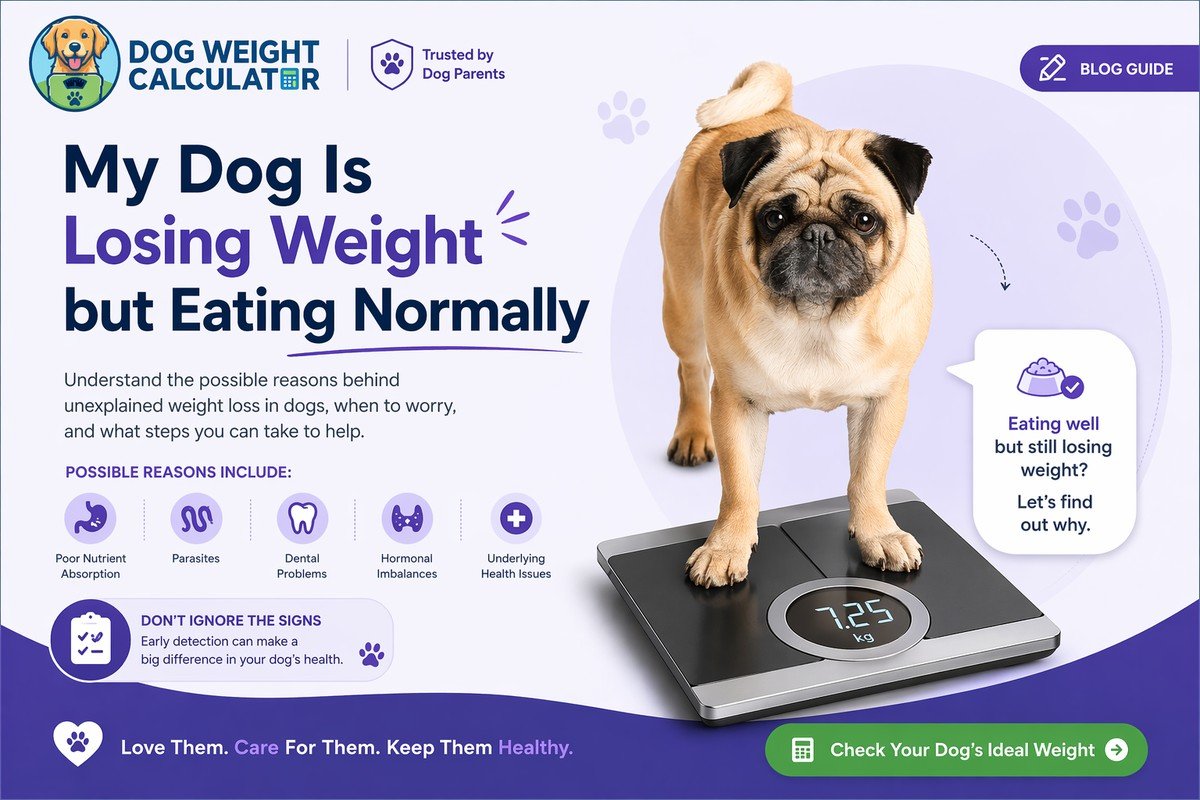
Keeping track of your dog's weight sounds simple enough. Put them on a scale, write down the number and compare it with the last measurement.
The harder question is what that number actually means.
Two dogs can weigh exactly the same amount and have very different body conditions. Breed, body frame, age, muscle mass and life stage all influence what a healthy weight looks like for an individual dog. Even more importantly, sometimes the change in weight matters more than the number itself.
Weight calculators and regular weigh-ins can be useful for spotting patterns, but they cannot tell you why your dog has gained or lost weight. That is where your veterinarian comes in.
So, when is a weight change something to monitor, and when is it time to make an appointment?
When your dog's weight changes unexpectedly
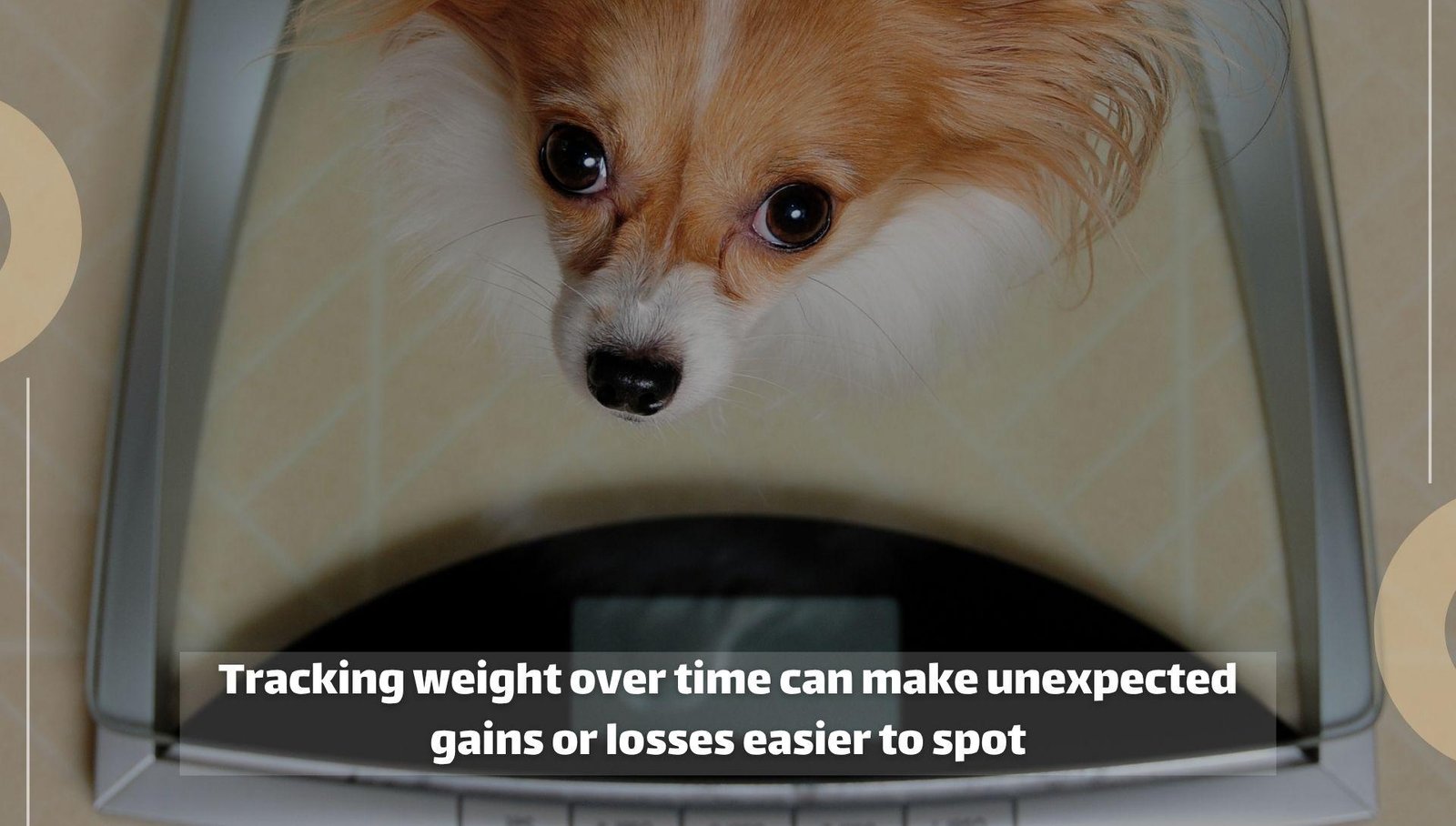
One weigh-in rarely tells the whole story.
A gradual change might be related to food portions, activity, age or a change in routine. But weight that rises or falls without an obvious explanation deserves more attention.
This is especially true when you have not intentionally changed your dog's diet or exercise.
Instead of reacting to a single measurement, keep a simple record. Note the date, weight and any relevant changes in appetite, activity or routine. If the trend continues, you will have useful information to share with your veterinarian.
Your vet can look at the number alongside your dog's overall condition and medical history rather than interpreting weight in isolation.
When you can no longer easily feel the ribs
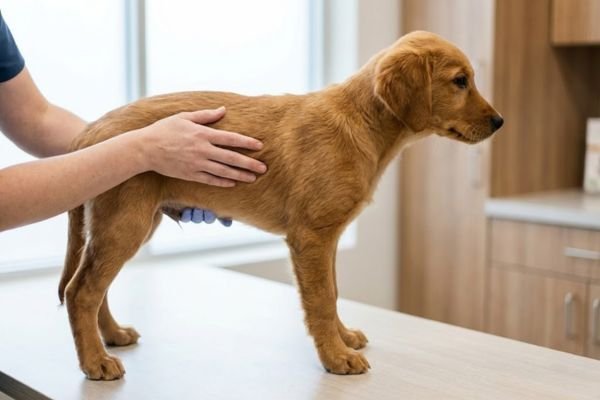
A dog's appearance can provide useful clues, but judging body condition is more structured than simply deciding whether a pet “looks a little chunky.”
Veterinarians commonly use a body condition score, or BCS, to evaluate body fat. The assessment considers areas such as the ribs, waist and abdominal profile.
The World Small Animal Veterinary Association provides body-condition charts that show how these physical characteristics change across different scores.
You can become familiar with your dog's normal shape at home, but a veterinarian can show you how to assess body condition correctly. That is particularly useful with dogs whose coat, build or body shape makes visual assessment difficult.
When your dog's appetite changes along with their weight
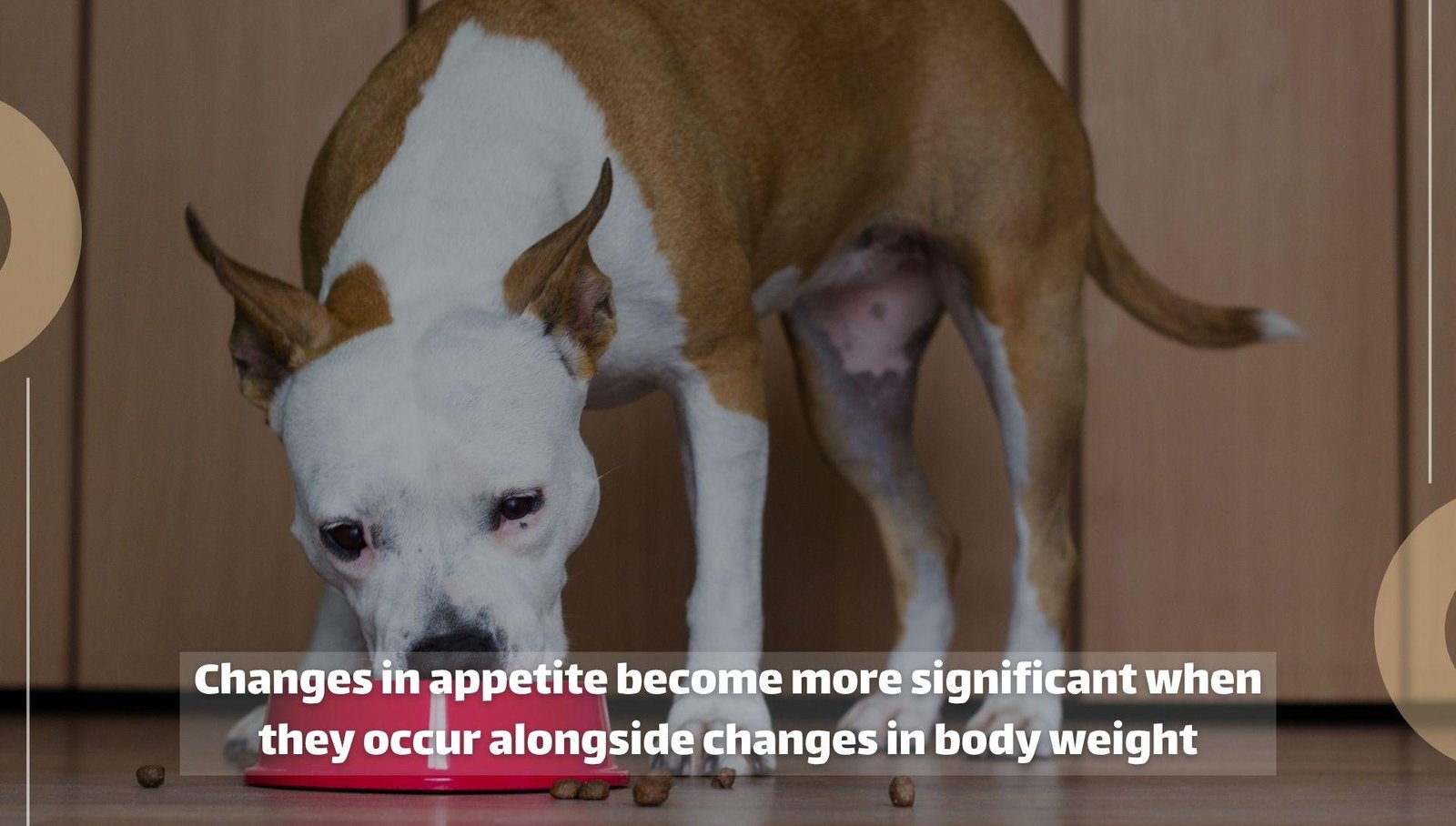
Weight becomes more informative when you consider it alongside other changes.
Has your dog suddenly become much hungrier? Are they eating less than usual? Have they begun leaving meals unfinished when they previously cleaned the bowl?
An appetite change does not automatically mean something serious is wrong, but when it appears alongside unexplained weight gain or loss, it is worth discussing with your veterinarian.
The same applies if you notice changes in thirst, urination, digestion, energy or behavior.
Avoid assuming that an unexplained weight change can always be fixed by simply increasing or decreasing the amount of food. The first step may be understanding why the change is happening.
If the difference is noticeable, persistent or accompanied by other symptoms, arranging a veterinary assessment is more useful than repeatedly adjusting portions at home. For Denver dog owners, being able to book vets in Denver CO can make that follow-up easier to arrange. Sploot's Denver clinics offer routine veterinary care alongside same-day appointments and urgent drop-offs, with after-hours and weekend access 365 days a year.
When activity becomes noticeably harder
Dogs naturally vary in enthusiasm for exercise. A young working breed and a senior companion dog are unlikely to have identical activity needs.
What deserves attention is a change from your dog's normal.
Perhaps your dog starts slowing down earlier on familiar walks. Maybe jumping into the car becomes harder, stairs are suddenly less appealing or play sessions end sooner than they used to.
Body weight can influence mobility, but mobility problems can also reduce activity and contribute to weight gain. That makes it difficult to know from observation alone which came first.
A veterinary examination can help put the pieces together. Rather than simply trying to exercise the extra weight away, you can discuss an activity plan that takes your dog's age, body condition and overall health into account.
When you're unsure how much your dog should eat
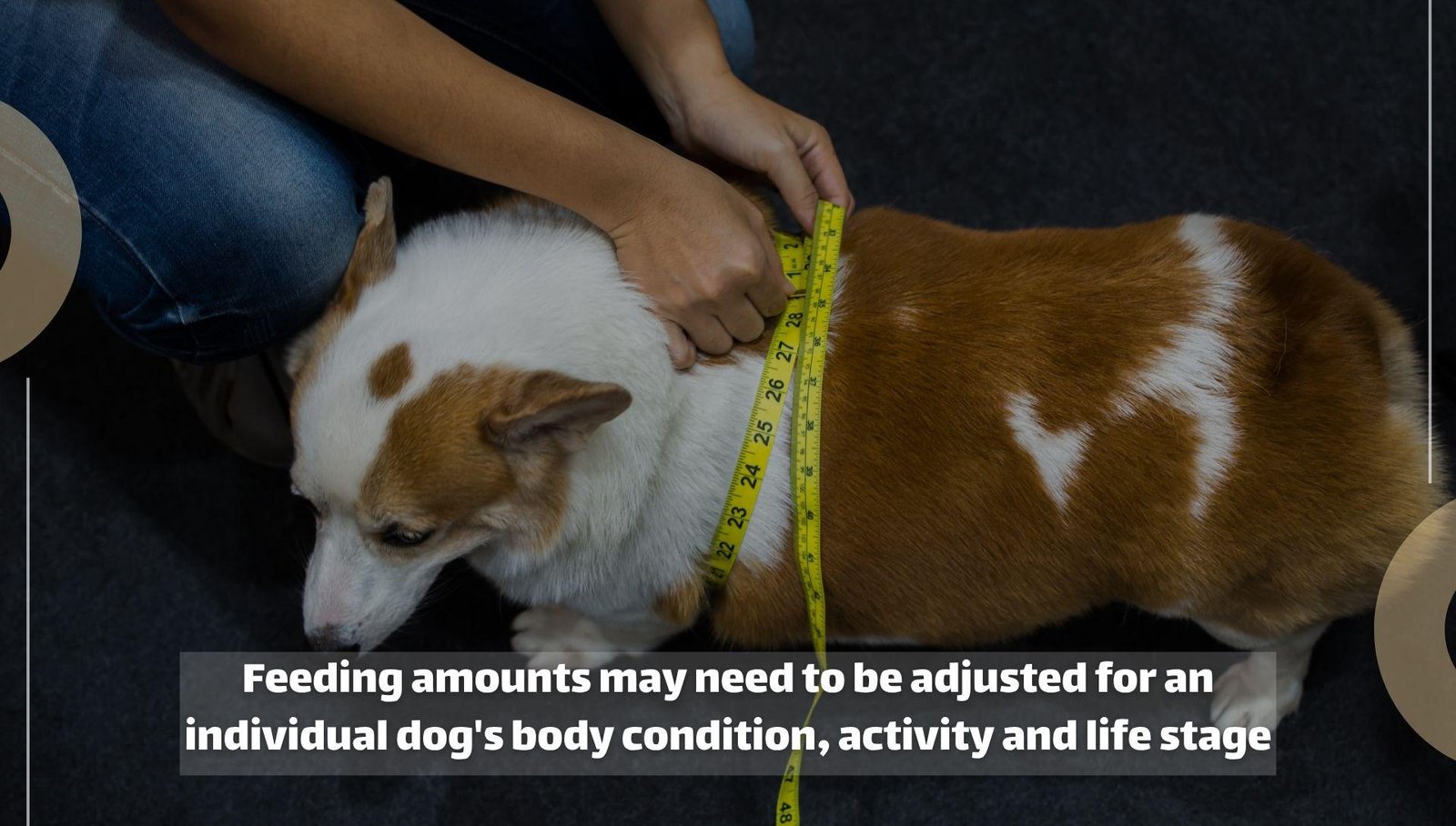
The feeding guide on a bag of dog food is useful, but it is a starting point rather than a personalized prescription.
Individual calorie needs vary. Age, activity, reproductive status, body condition and health can all affect how much energy a dog requires.
Treats count as well.
Small extras can become a meaningful part of daily calorie intake, particularly for smaller dogs. That includes training rewards, chews and the occasional bite offered from someone's plate.
If your dog's weight is moving in the wrong direction, talk to your veterinarian about what and how much they are actually eating. Bring the name of the food, the amount offered each day and a realistic estimate of treats and extras.
Specific information is far more useful than saying, “They don't eat very much.”
When a puppy or senior dog's weight starts changing
Weight deserves different attention at different stages of life.
Puppies are growing, so their nutritional needs cannot simply be approached as smaller versions of adult dogs. Growth rate, breed and expected adult size can influence feeding decisions.
Senior dogs bring different considerations. Changes in muscle mass, activity, appetite or underlying health can affect both body weight and body condition.
That is why an online estimate should always be viewed in context.
A veterinarian can assess whether a puppy is developing appropriately or whether changes in an older dog's weight warrant a closer look. Regular measurements also create a history, making it easier to recognize when a dog's normal pattern begins to change.
When a diet change isn't producing the expected result
If you have already made reasonable changes to your dog's diet or activity and the weight is not responding as expected, resist the temptation to keep cutting food without guidance.
A healthy weight-management plan should still meet your dog's nutritional needs.
Your veterinarian may review the food being offered, portion sizes, treats, activity and body condition. Depending on the dog's history and examination, the vet can determine whether further evaluation is appropriate.
It can help to bring a short food diary to the appointment. Include meals, treats, chews, supplements and regular table scraps.
That last category is worth being honest about. The veterinarian is not there to judge the piece of chicken that mysteriously falls from the dinner table every evening. Accurate information simply makes the conversation more useful.
When weight changes happen alongside other symptoms
Sometimes the scale is only one clue. Contact your veterinarian when unexplained weight changes occur alongside other concerning signs, particularly if your dog seems unwell.
Changes in drinking, urination, vomiting, diarrhea, breathing, mobility, coat condition, appetite or energy can provide important context.
Sudden or severe symptoms may require more immediate attention. If you are uncertain about the urgency of a change, contact a veterinary professional and describe what you are seeing.
This is also why it helps to know your veterinary options before you need them. Routine weight questions may fit comfortably into a scheduled wellness appointment, while an unwell dog with rapidly developing symptoms may need to be assessed sooner.
Use the scale as a conversation starter
Knowing your dog's weight is useful. Tracking it over time is even better.
But the number should not become the entire story.
Body condition, muscle mass, appetite, activity, age and general health all provide context that a scale cannot. An online calculator can help you organize information and recognize a trend, but it cannot examine your dog or determine the reason behind an unexpected change.
Try weighing your dog under reasonably consistent conditions and keep a simple record rather than worrying about every small fluctuation. Pay attention to how your dog looks, moves, eats and behaves as well.
If something changes unexpectedly, continues moving in one direction or simply does not seem right for your dog, bring the information to your veterinarian.
The goal is not to chase a perfect number. It is to understand what a healthy body condition looks like for the dog standing in front of you.