
Recovery Care Tips After Your Dog's Spay or Neuter Surgery
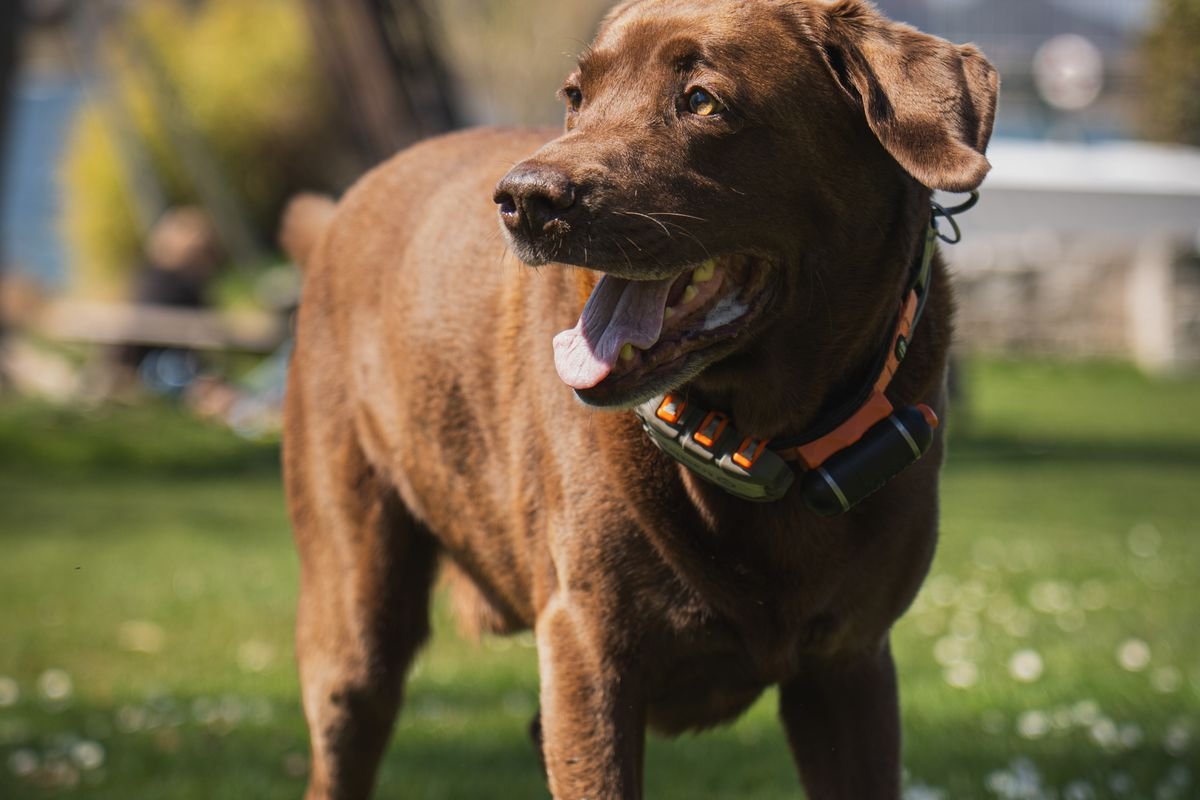
Spaying or neutering can prevent unwanted litters and may offer health benefits for some dogs. The right timing and procedure depend on your dog, so discuss those decisions with your veterinarian. If your dog has recently had surgery, the next step is to follow the discharge plan at home. Proper post-operative care is essential for a smooth, complication-free recovery — and this guide will walk you through everything you need to know.
What to Expect Immediately After Surgery
When you pick up your dog after their spay or neuter procedure, they may still be groggy from the anesthesia. Some drowsiness can occur after anesthesia. Follow the clinic’s discharge instructions and call if your dog is not steadily becoming more alert, seems unusually weak, or has trouble breathing. Your veterinarian may provide pain medication and a protective collar to prevent licking.
The First 24 Hours at Home
The first day after surgery is the most critical. Here's what you should expect and how to respond:
- Drowsiness and disorientation: Your dog may seem confused, unsteady, or unusually quiet. Keep them in a calm, quiet space away from children and other pets.
- Reduced appetite: Appetite may be lower after anesthesia. Offer food and water as directed by your clinic, and call if your dog refuses food for more than 24 hours or you have other concerns.
- Mild whimpering or discomfort: Some discomfort is expected. Administer any pain medication prescribed by your vet as directed.
- Slight swelling at the incision site: A small amount of swelling or redness can be normal in the first day or two.
Always follow the specific instructions given by your veterinary team. Recommendations vary with the procedure and your dog’s health.
Creating a Safe Recovery Environment
Setting up a proper recovery space is one of the most important things you can do to support your dog's healing. Think comfort, containment, and calm.
Set Up a Comfortable Rest Area
Designate a small, cozy area where your dog can rest undisturbed. Use a soft dog bed or blankets and make sure the space is easy to get in and out of — avoid locations that require jumping or climbing stairs. Keep the area warm but not too hot, and limit access to furniture where your dog might fall or injure themselves.
Limit Activity and Exercise
This is often the hardest part for active dogs and their owners. Restricting movement is crucial during recovery. Most veterinarians recommend limiting activity for 10 to 14 days after surgery. This means:
- No running, jumping, or rough play
- Short, leashed bathroom walks only
- No swimming or bathing until the incision has fully healed
- Keeping dogs separated from other pets who may encourage play
It might feel difficult to keep an energetic dog calm, but overexertion can cause the incision to open or lead to complications. Mental stimulation through puzzle toys or quiet bonding time can help keep your pup occupied without physical strain.
Caring for the Incision Site
Monitoring the incision is a daily responsibility during the recovery period. Knowing what's normal and what's not can save your dog from serious complications.
Signs of Normal Healing
A healing incision typically looks like this:
- Slight redness or pinkish coloring around the edges in the first few days
- Minimal swelling that gradually decreases
- Closed sutures or surgical glue holding the skin together
- Possible mild bruising near the site
Warning Signs to Watch For
Contact the clinic that performed the surgery promptly if you notice any of the following:
- Excessive swelling, discharge, or foul odor from the incision
- Sutures that appear to be opening or have come apart
- Persistent bleeding beyond a small amount
- Signs of infection such as heat, pus, or significant redness
- Your dog is excessively licking, chewing, or scratching the wound
The e-collar may be frustrating for your pet, but it's one of the most effective tools for preventing self-inflicted wound complications. Keep it on as directed by your vet — usually for at least 10 to 14 days.
Medications and Veterinary Follow-Up
Administering Pain Medication Correctly
Give only the medications prescribed for your dog, at the dose and schedule on the label. Follow your veterinarian’s directions about giving each medicine with food. Never give human pain relievers, including ibuprofen or acetaminophen, unless your veterinarian specifically directs you to do so.
Call your veterinary provider promptly if your dog seems to be in significant pain despite medication, will not drink, vomits repeatedly, or seems increasingly weak. Follow any more specific warning signs in the discharge instructions.
Scheduling a Follow-Up Appointment
Your clinic may recommend an incision check or a visit to remove stitches or staples. Follow the schedule in your discharge paperwork and call sooner if healing does not look right.
If you haven't yet scheduled your dog's procedure, or you're looking for a trusted provider, consider exploring the spay and neuter services in Bend offered by experienced local veterinarians who prioritize your pet's safety and comfort throughout the entire process.
Special Considerations by Age and Size
Puppies vs. Adult Dogs
Younger dogs often recover more quickly than older ones, but they also tend to be more energetic — making activity restriction more challenging. Adult dogs may take a day or two longer to fully bounce back from anesthesia but are generally easier to keep calm.
Large Breed Dogs
A larger or older dog may need help avoiding jumps or slippery floors. Ask your veterinarian whether a ramp, non-slip mat, or another adjustment would help during recovery.
Nutrition and Hydration During Recovery
Proper nutrition supports tissue repair and immune function. Stick to your dog's regular diet and avoid introducing new foods during recovery, as digestive upset can add unnecessary stress. Make sure fresh water is always available and easily accessible — especially if your dog is wearing an e-collar and may have difficulty reaching a deep bowl. Switching to a wider, shallow dish can help.
Final Thoughts on Post-Surgery Care
Many dogs recover well after spay or neuter surgery, but healing and activity restrictions vary. Follow your veterinarian’s timeline rather than assuming a set recovery date. The key is to follow your vet's instructions closely, keep your dog comfortable and calm, and know the warning signs that warrant a call to the clinic.
Whether you are planning the surgery or caring for your dog afterward, your own veterinary team is the best source of instructions for your dog. Your dog's health and happiness are worth every bit of effort during this important recovery period.