Top 10 High-Protein Dog Foods for Weight Gain
When a dog starts looking too thin, the first thought is usually to feed a little more. That can help in some cases, but I believe the better approach is to look at the quality and calorie density of the food, not just the portion size. A dog that needs to gain weight often benefits from a diet that is rich in calories, contains enough protein to support muscle, and has a suitable amount of fat to provide extra energy. Protein is important, but it does not work alone. Healthy weight gain depends on the full nutritional picture.
Before changing your dog’s diet, it is also worth paying attention to whether the weight loss happened gradually or suddenly. If your dog is losing weight without a clear reason, eating normally but still getting thinner, or showing symptoms such as low energy, vomiting, diarrhea, or appetite changes, it is always safer to speak with a veterinarian first.
For dogs that simply need better nutritional support, the following high-protein dog foods may be worth considering.
1. Purina Pro Plan Sport Performance 30/20
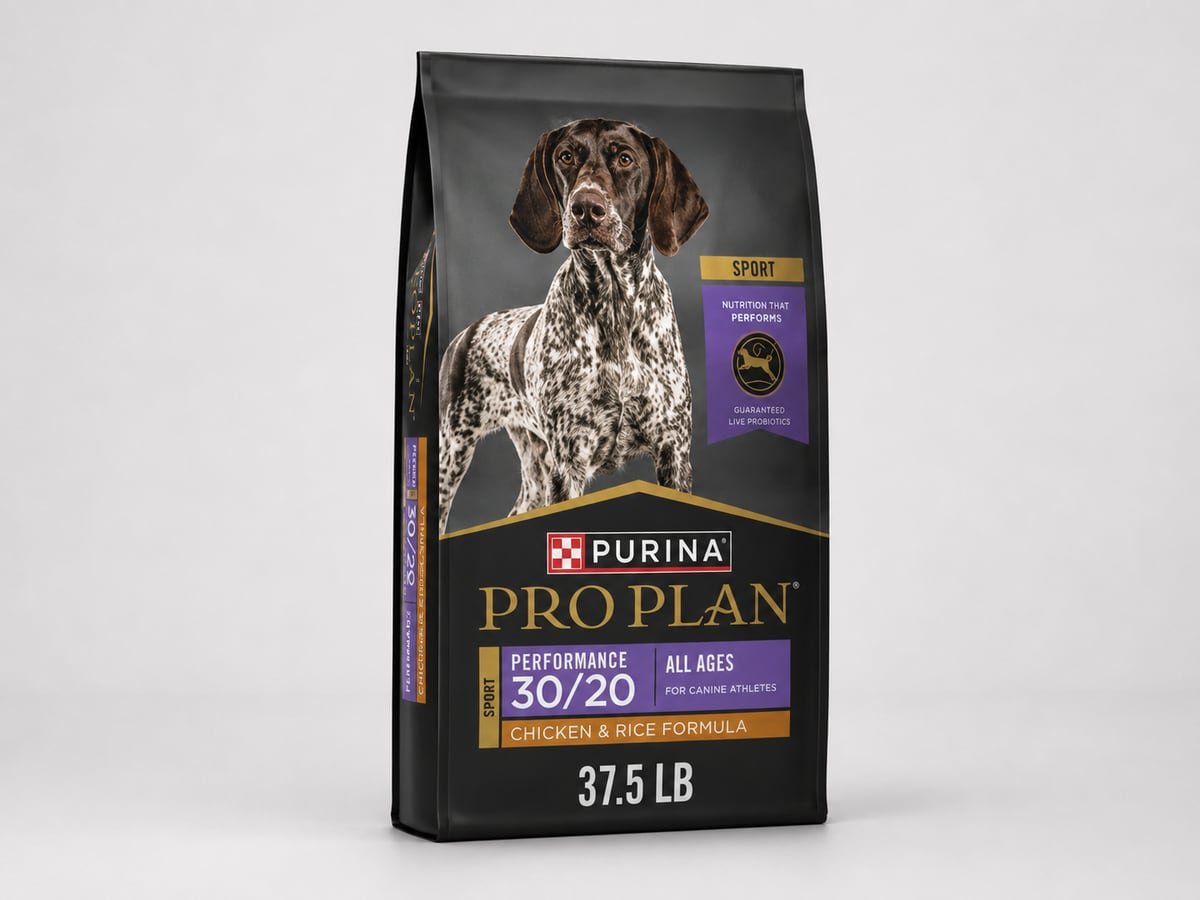
Purina Pro Plan Sport Performance 30/20 is one of the most practical options for active dogs that need more calories than a regular maintenance formula provides. It contains 30% protein and 20% fat, with roughly 484 calories per cup.
I think this food works well for dogs that are naturally energetic, struggle to hold weight, or need a more calorie-dense diet without moving into an extremely rich formula. It is also widely available, which makes it easier for many owners to stick with consistently.
2. Dr. Tim’s Momentum
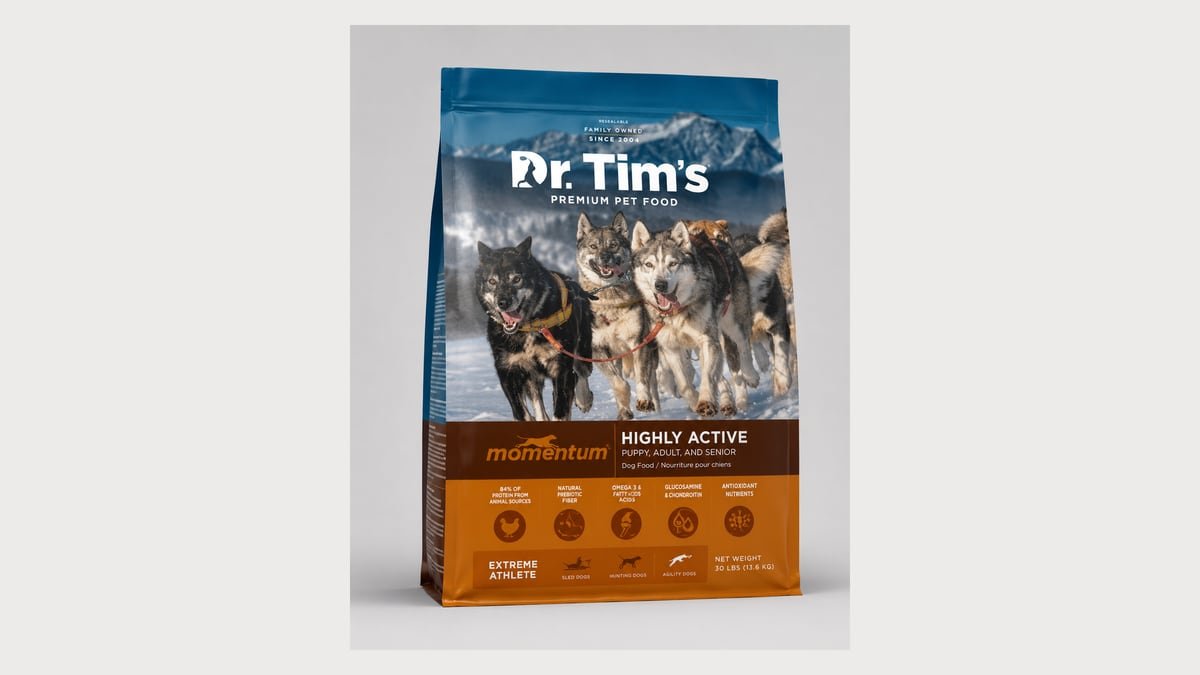
Dr. Tim’s Momentum is a noticeably richer option. With 35% protein, 25% fat, and about 530 calories per cup, it is designed for dogs with higher energy needs.
This is the kind of food I would look at for hard keepers, very active dogs, or dogs that seem to burn through calories quickly. Because it is quite nutrient-dense, it should be introduced slowly to avoid digestive upset.
3. Diamond Naturals Extreme Athlete
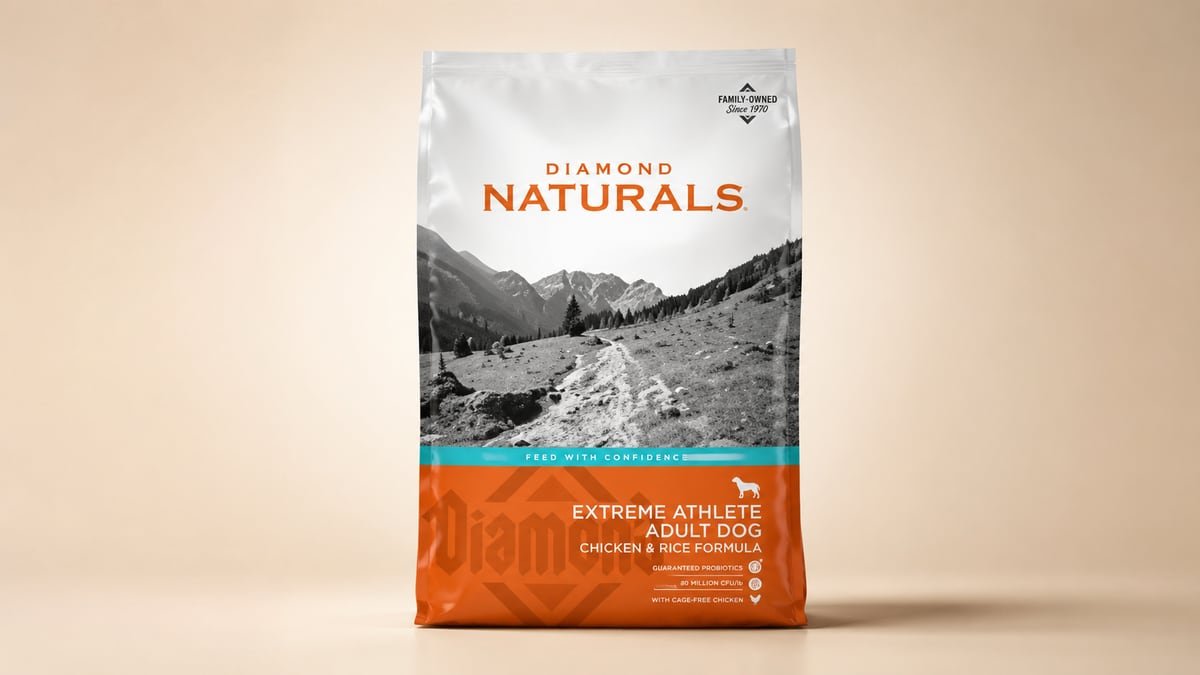
Diamond Naturals Extreme Athlete offers 32% protein, 25% fat, and around 470 calories per cup. It is a strong middle-ground choice for active adult dogs that need extra nutritional support but may not require the most calorie-heavy formula available.
I like that it balances energy density with a more everyday feeding feel. For athletic dogs that stay lean despite good feeding habits, this can be a sensible option.
4. VICTOR Hi-Pro Plus
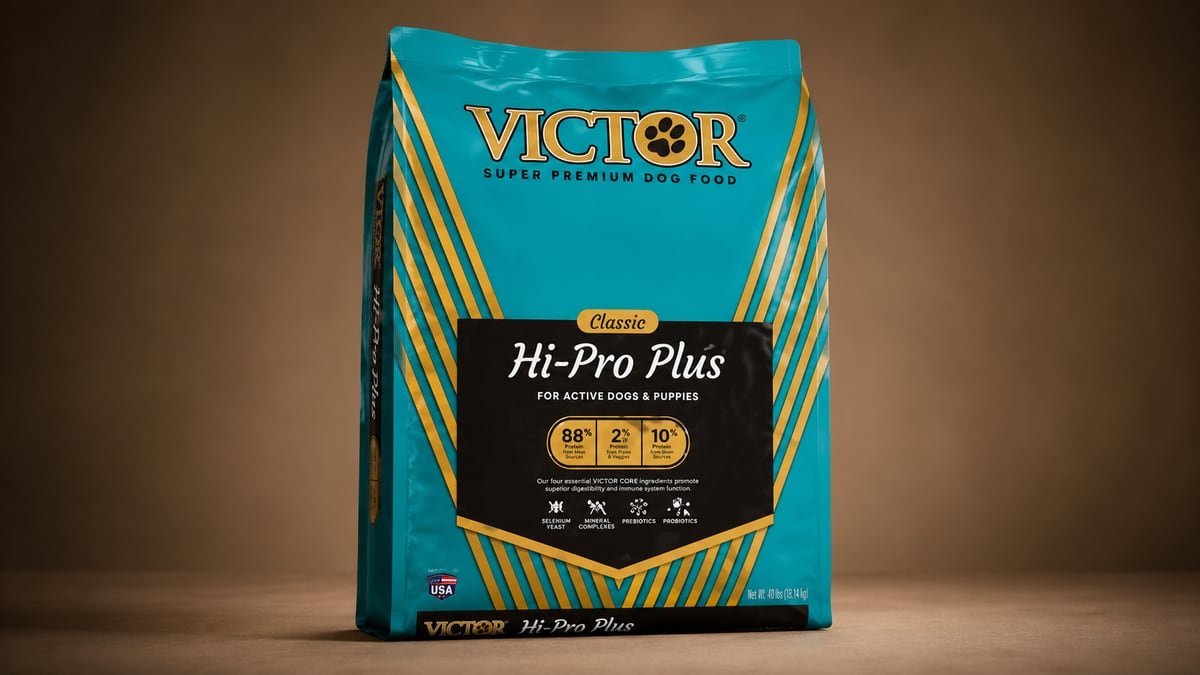
VICTOR Hi-Pro Plus provides 30% protein, 20% fat, and approximately 406 calories per cup. It is not the most calorie-dense food on the list, but it still offers a solid blend of protein and fat for dogs needing more support than a standard formula.
This food may be a good fit for active dogs, working breeds, or dogs that need gradual improvement in body condition rather than aggressive weight gain. I would just make sure the life-stage statement matches the dog before choosing it.
5. Bully Max 30/20 High Protein Dog Food
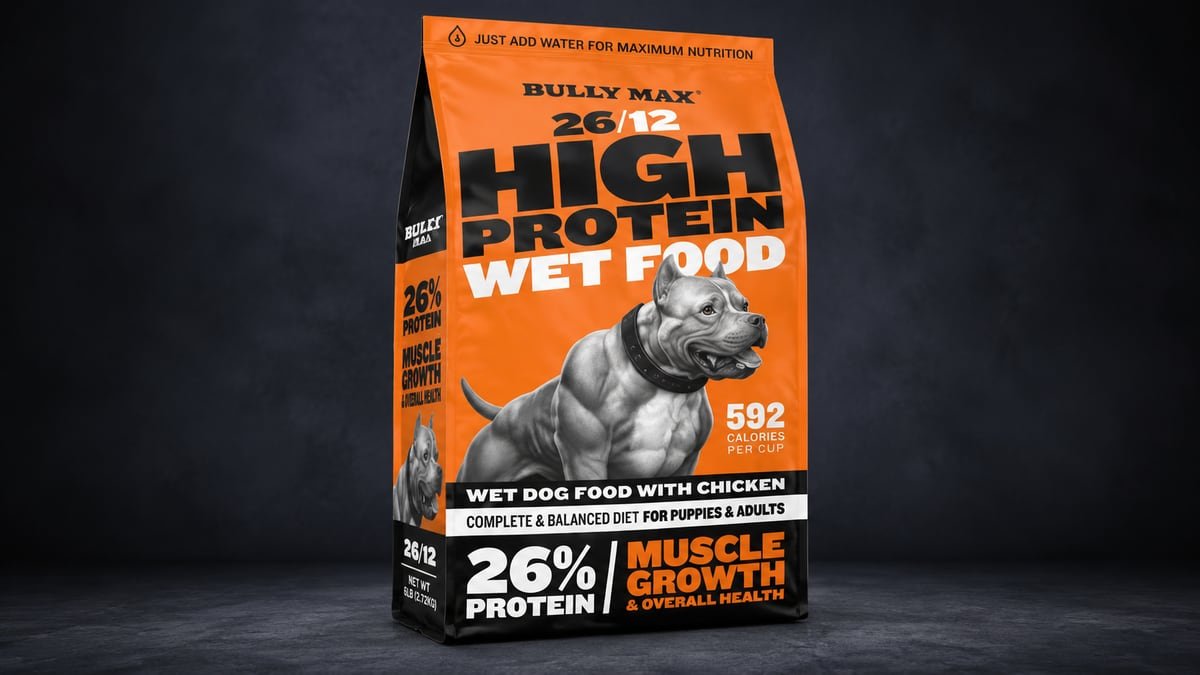
Bully Max 30/20 is made for owners looking for a very calorie-dense kibble. It offers 30% protein, 20% fat, and around 535 calories per cup.
Because of that calorie concentration, it can be useful for dogs that struggle to eat larger meal volumes. At the same time, I would use it thoughtfully. A food this dense should be fed based on real need, not simply because a dog looks a little slim.
6. Inukshuk 30/25
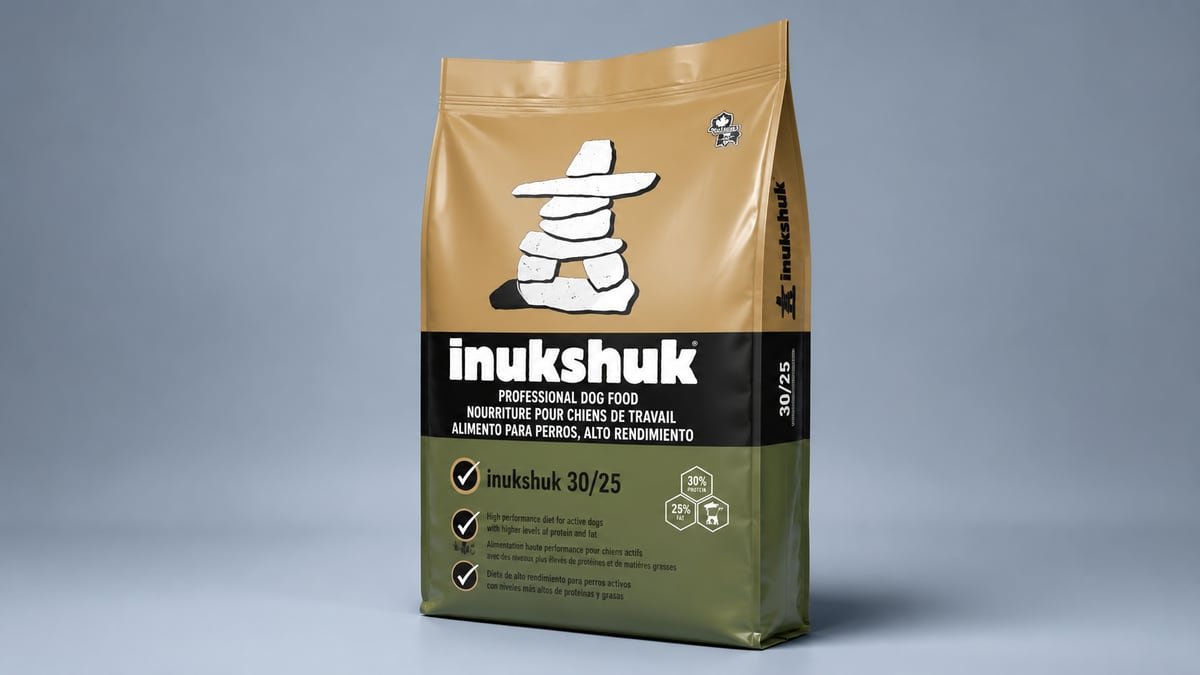
Inukshuk 30/25 contains 30% protein, 25% fat, and roughly 578 calories per cup. It is designed with higher-output dogs in mind, including working dogs, hunting dogs, and dogs that need sustained energy.
In my opinion, this food makes the most sense for dogs with serious calorie demands. It can be useful for maintaining or building weight in dogs that stay lean because of intense activity, but it may be unnecessarily rich for a calm household pet.
7. Inukshuk 32/32
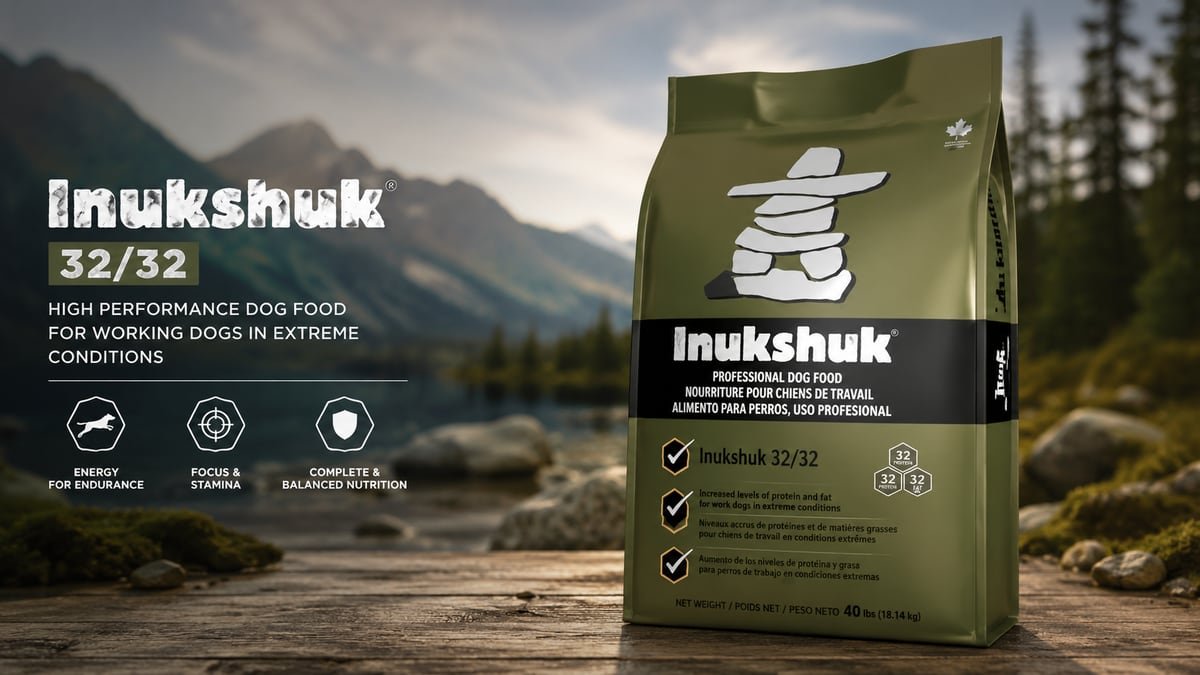
Inukshuk 32/32 is one of the most energy-dense dry dog foods available. It delivers 32% protein, 32% fat, and about 720 calories per cup.
This is a highly specialized food. I would not place it in the same category as general weight-gain diets for ordinary pets. It is better suited to extreme-energy working dogs that require unusually high calorie intake. For most dogs, there are more appropriate options earlier in this list.
8. ZIWI Peak Air-Dried Beef
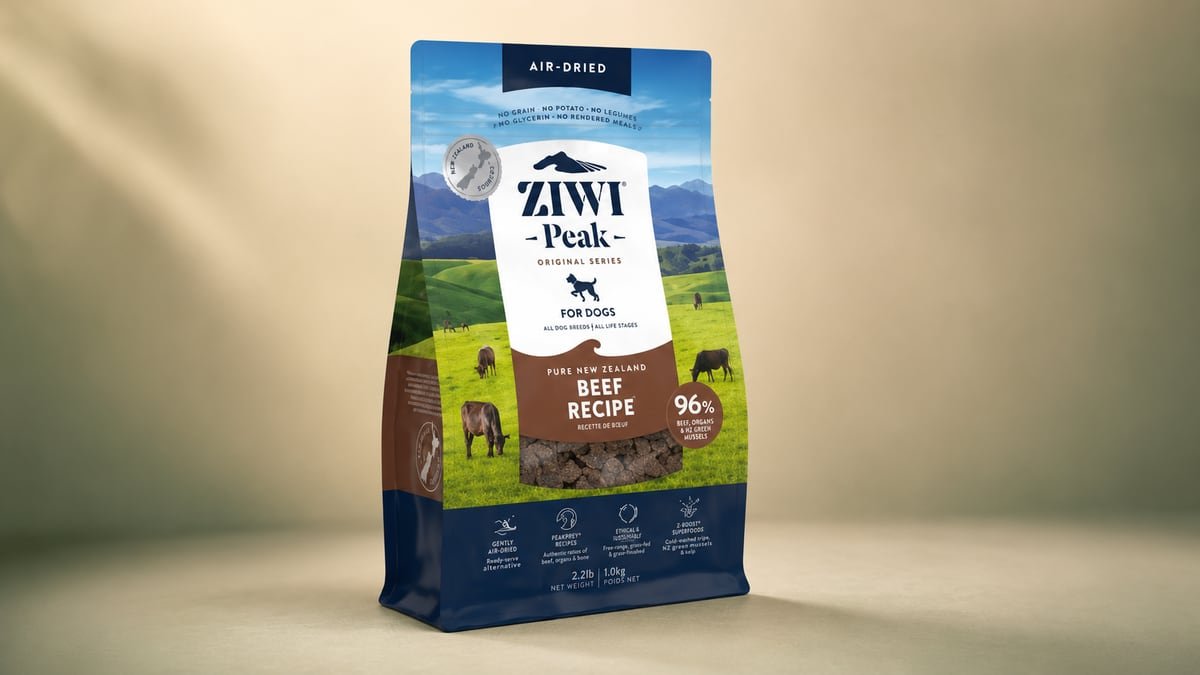
ZIWI Peak Air-Dried Beef stands out because it is not a traditional kibble. It contains 38% protein, 30% fat, and around 465 calories per cup, making it a very concentrated option.
This food can be appealing for picky dogs or owners who want a premium, meat-focused formula. The main drawback is price, but nutritionally, it can be a strong choice for dogs that need rich food in smaller amounts.
9. Stella & Chewy’s Super Beef Freeze-Dried Raw Dinner Patties
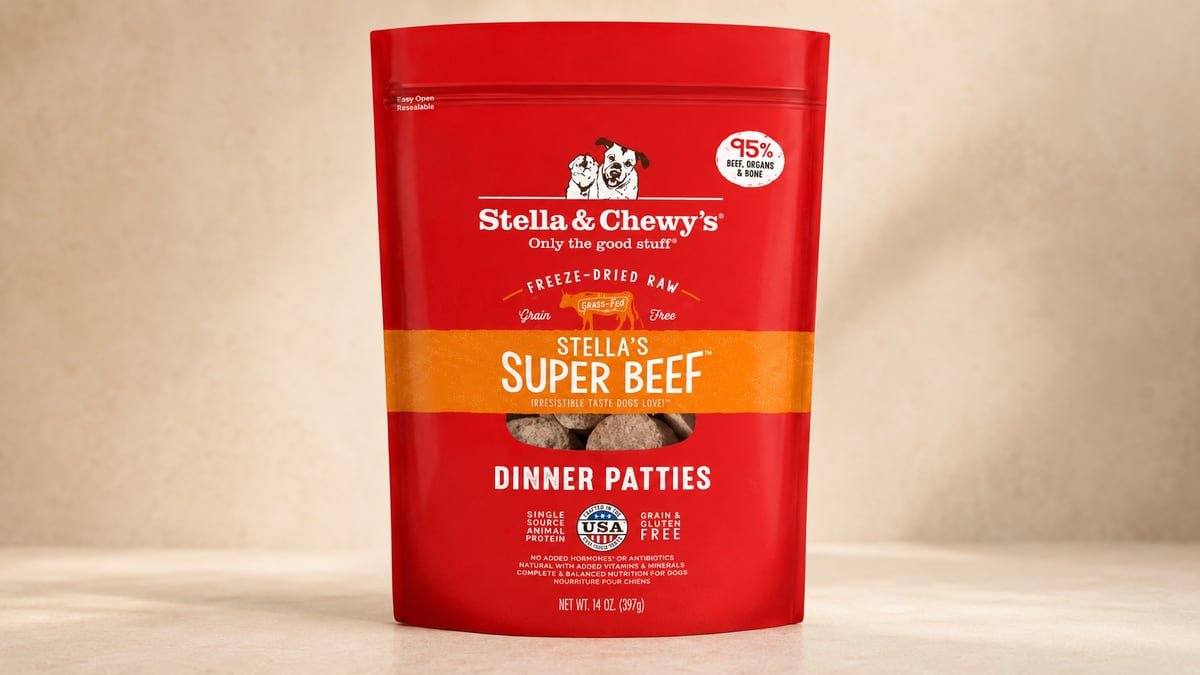
Stella & Chewy’s Super Beef Freeze-Dried Raw Dinner Patties are very rich in both protein and fat, with 41% protein and 35% fat. The calorie density is also high.
I see this as a useful option for dogs that are difficult to tempt with regular kibble. Many dogs find freeze-dried foods highly appealing. However, because this is a raw-style product, owners should handle it carefully and store it properly.
10. Open Farm RawMix Front Range Grain-Free
Open Farm RawMix Front Range Grain-Free contains 30% protein, 15% fat, and about 405 calories per cup. Compared with some of the richer formulas above, this is a more moderate option.
I included it because not every underweight dog needs a performance-level calorie load. Some dogs simply need a more palatable, protein-forward food with a little more nutritional density than their current diet. For that type of situation, this may be a better fit.
How to Help a Dog Gain Weight Safely
Choosing a richer food is only part of the process. The way you introduce it and monitor your dog matters just as much.
A sudden food change can upset digestion, especially when switching to a formula that is higher in fat or calories. I would transition gradually over about a week, mixing more of the new food into the old food each day. Some dogs need even longer.
I would also avoid making large feeding increases all at once. Healthy weight gain should be steady. Start with an appropriate portion, watch your dog’s stool, appetite, and energy, and adjust only when needed.
It is also better to judge progress by healthy body condition, not just by the number on the scale. Ideally, ribs should be easy to feel but not sharply visible, the waist should still be noticeable from above, and the hips and spine should look less prominent over time.
If your dog is eating a calorie-dense food consistently and still does not gain weight, that is a sign to revisit the plan with your veterinarian.
Can Toppers Help?
Toppers can be useful in some cases, especially for picky dogs. Small amounts of cooked meat, egg, fish, or wet dog food may make meals more appealing and slightly increase calorie intake.
Still, I would not rely on toppers as the main strategy. The base diet should remain complete and balanced. Extras should support the plan, not replace proper nutrition.
What Really Matters When Feeding an Underweight Dog
When I think about the best high-protein dog food for weight gain, I do not focus on protein alone. I look at the entire formula.
A good choice should provide enough calories, meaningful protein, suitable fat levels, and balanced nutrition for the dog’s life stage. The right food for one dog may be too rich or unnecessary for another, so the best decision depends on the dog’s body condition, activity level, health, and even their breed-specific weight range.
For mildly underweight dogs, a moderate high-protein food may be enough. For highly active dogs, a richer performance formula can make more sense. And when weight loss seems unusual or unexplained, I would always treat that as a health question first, not just a feeding issue.